Understanding the Physical Changes in Aging and Dance Adaptation
Aging is an inevitable process that brings various physical changes to our bodies. Understanding these changes is crucial, especially for older adults who wish to remain active and engaged through activities like dance. This article highlights how aging affects physical capabilities and how tailored dance adaptation programs can facilitate continued participation in social dance gatherings.
Understanding the Basics of Aging
As individuals age, their bodies undergo a series of physiological changes. Muscle mass typically decreases, leading to reduced strength and endurance. According to research published in the Journal of Aging Research, muscle mass can decrease by approximately 3-8% per decade after the age of 30, significantly impacting mobility and balance.
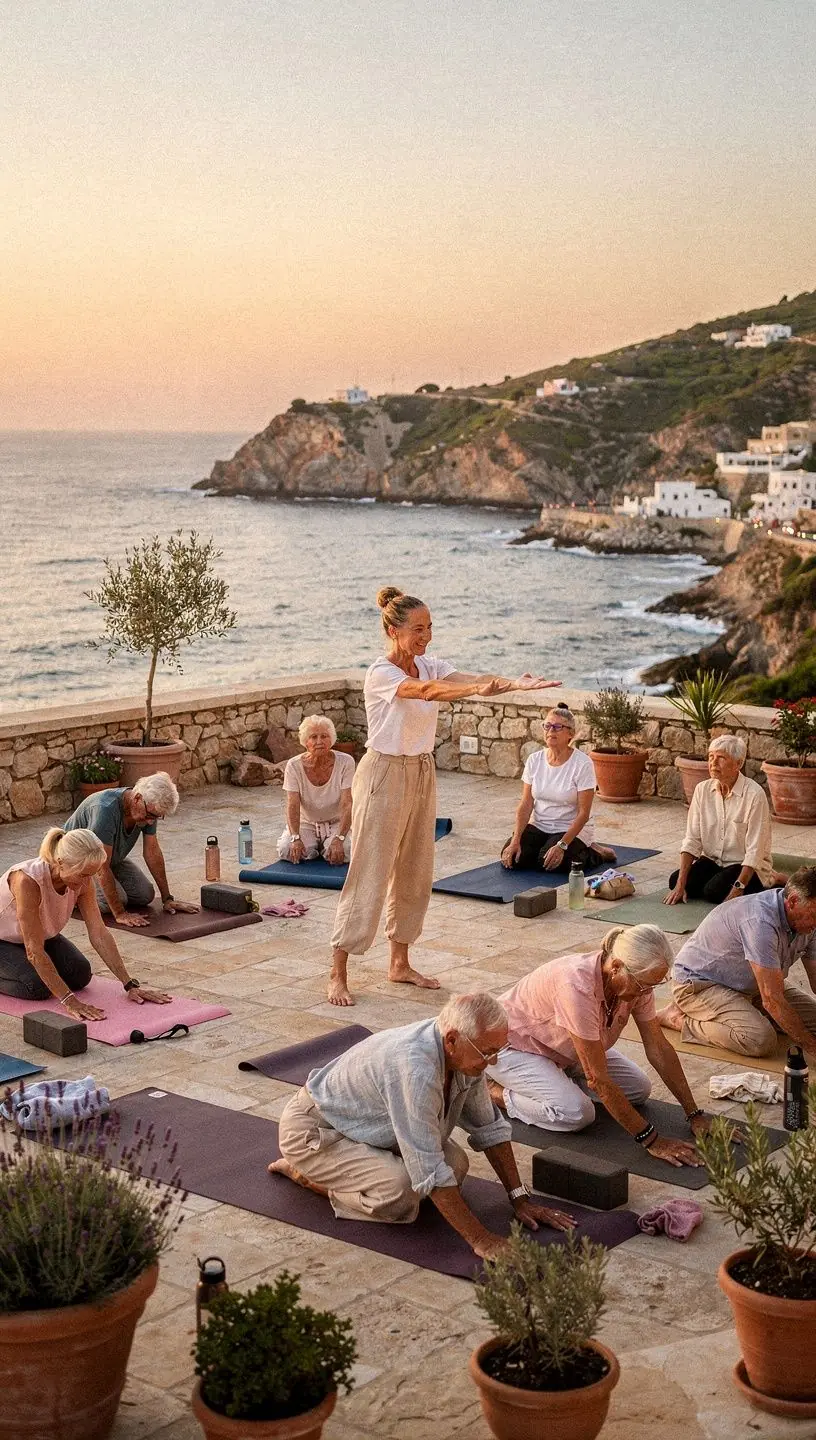
Additionally, bone density often declines, which can lead to increased susceptibility to fractures. Joint stiffness may also occur, making movements less fluid. Experts recommend that older adults engage in regular exercise to combat these effects and maintain overall health.
"Maintaining an active lifestyle can help mitigate the physical declines associated with aging, improving quality of life and independence." - Health & Aging Research Institute
The Role of Dance in Active Aging
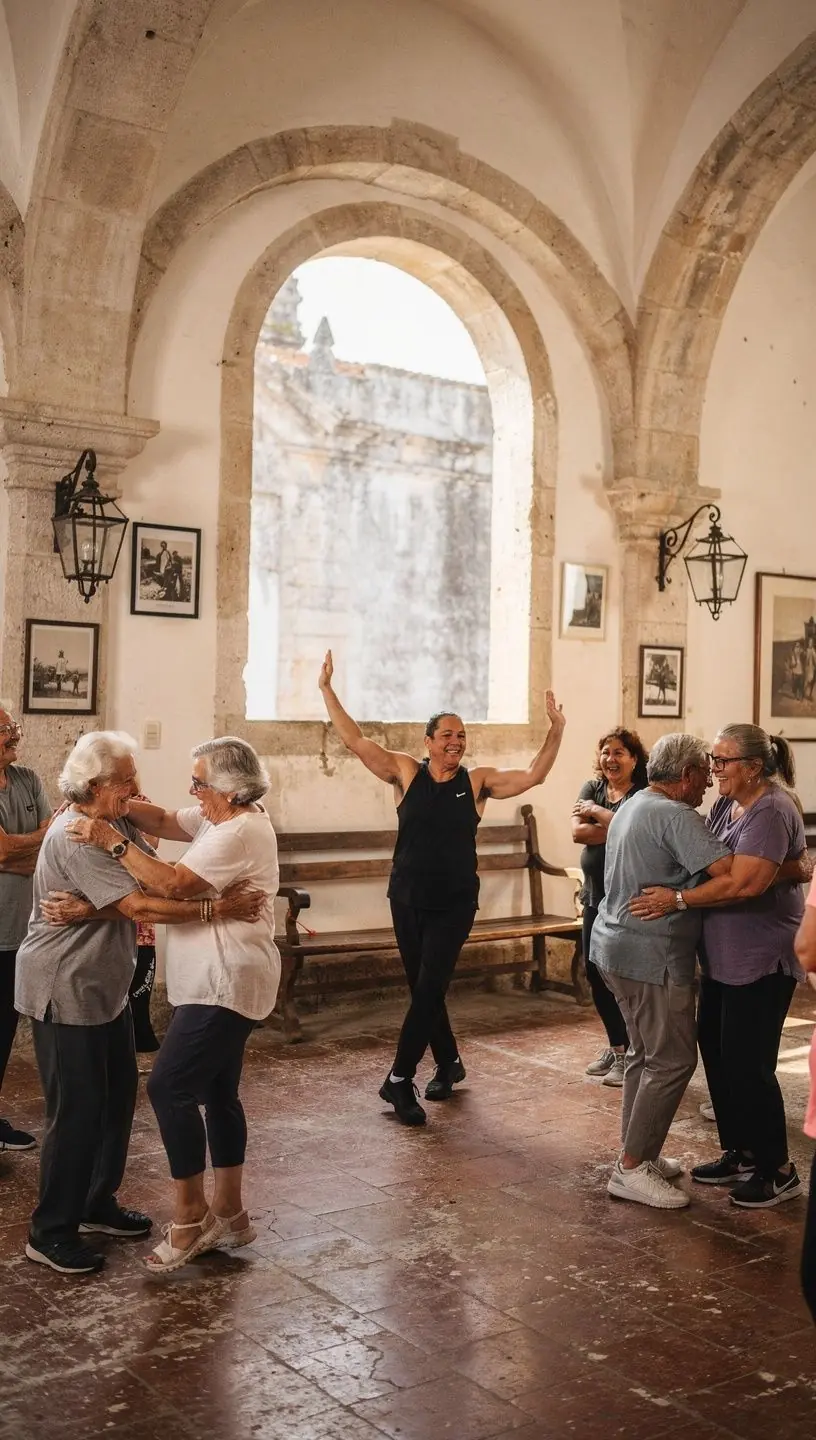
Dance is an effective form of exercise that not only promotes physical fitness but also provides social interaction, which is essential for mental well-being. Studies show that participating in dance can improve balance, coordination, and flexibility—critical factors in reducing fall risk among older adults.
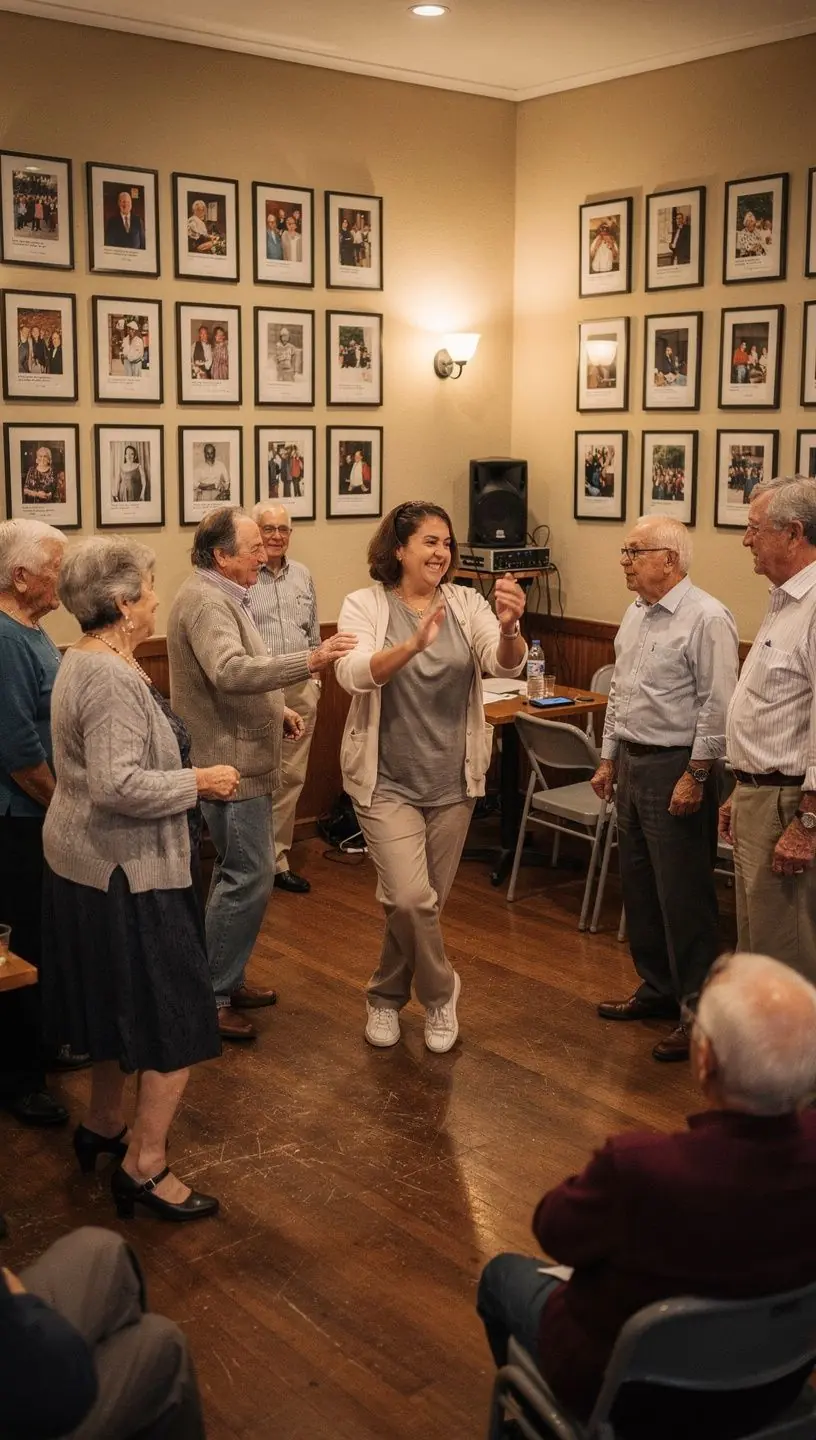
Participation in social dance gatherings often incorporates a variety of movement patterns, which can be adapted to suit individual capabilities. Dance adaptation programs are designed to meet the needs of older adults by offering modified routines that accommodate varying levels of mobility and fitness.
How Dance Adaptation Works
The principle behind dance adaptation is to tailor dance movements to ensure safety and enjoyment. This is achieved through:
- Personalized assessments: Participants typically undergo an evaluation to understand their physical capabilities and limitations.
- Progressive modification: Dance routines are gradually adjusted to enhance comfort while challenging participants just enough to promote improvement.
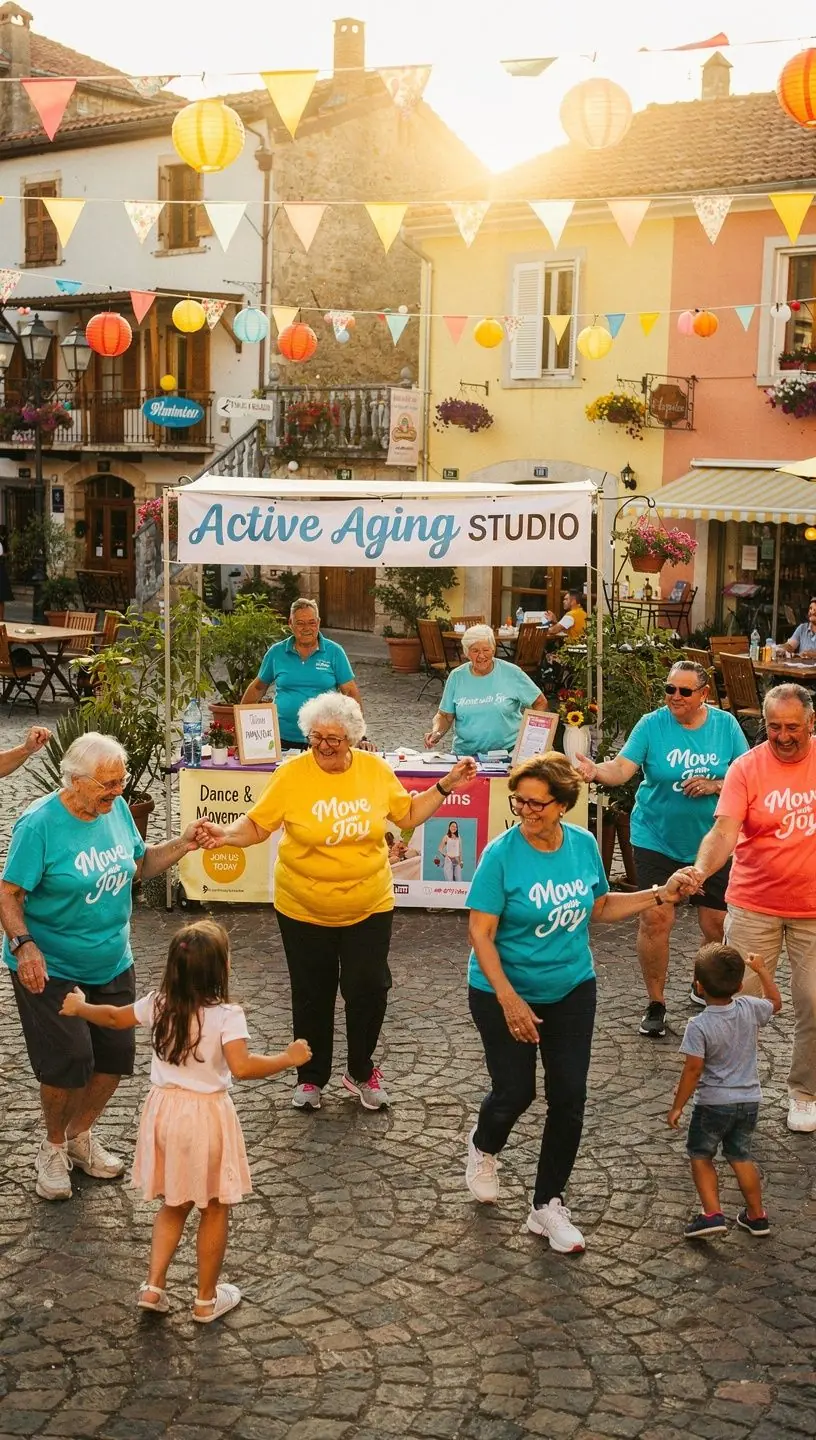
- Focus on social engagement: Adaptation programs often incorporate partner dancing and group activities to foster community and encourage social bonding.
Setting Realistic Expectations
It is important for participants to understand that while dance can significantly improve physical health, it typically requires consistent practice. Many users report enjoying noticeable improvements in balance and coordination after about 6-12 weeks of regular attendance in adapted classes.
However, achieving these benefits necessitates commitment. Participants should be prepared to engage in weekly dance gatherings and potentially supplemental exercises at home. This ongoing effort supports their progress and enhances their experience.
Conclusion
Understanding the physical changes associated with aging and the positive impact of activities like dance can empower older adults to engage actively in their communities. Through tailored dance adaptation programs, individuals can not only improve their physical health but also enjoy the social benefits that come with participating in dance. Remember, while dance can be an effective approach to staying active, results may vary based on individual commitment and participation levels.
Learn More