The Role of Dance in Cognitive Health for Aging Individuals
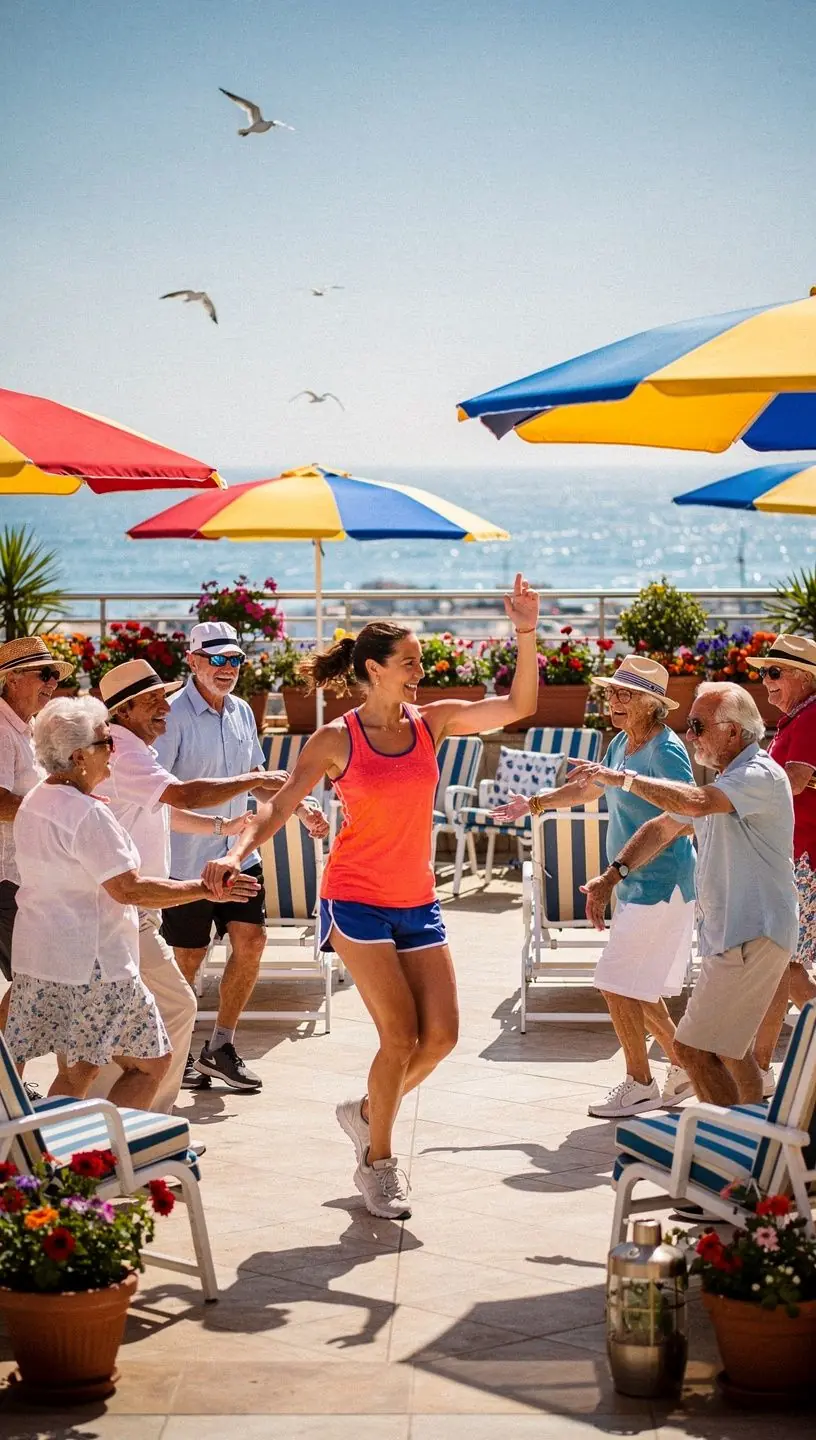
As we age, maintaining cognitive health becomes increasingly important. Engaging in activities that promote both physical and mental well-being can be beneficial. Dance, in particular, has been shown to positively impact cognitive function in older adults. This article explores how dance can support cognitive health and offers insights into incorporating it into your lifestyle.
Understanding the Connection
Research indicates that physical activity, including dance, can help improve cognitive function among aging individuals. According to a study published in the New England Journal of Medicine, frequent engagement in dance is associated with a lower risk of dementia compared to other physical activities. This connection is attributed to several factors:
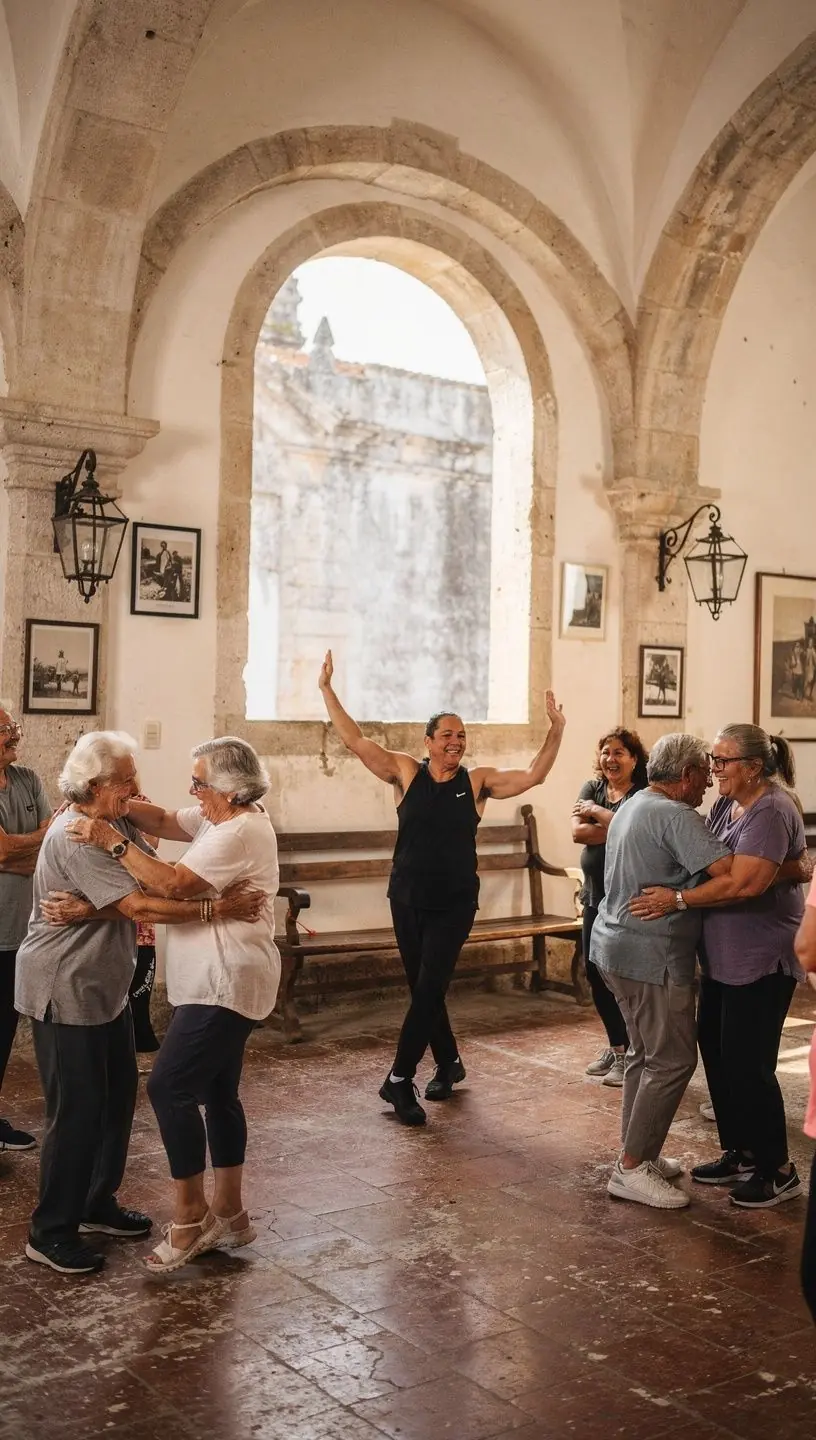
- Physical Exercise: Dance provides a form of aerobic exercise, which is known to enhance blood flow to the brain, promoting better overall brain health.
- Cognitive Stimulation: Learning new dance routines requires mental effort, which can help build neural connections and enhance cognitive flexibility.
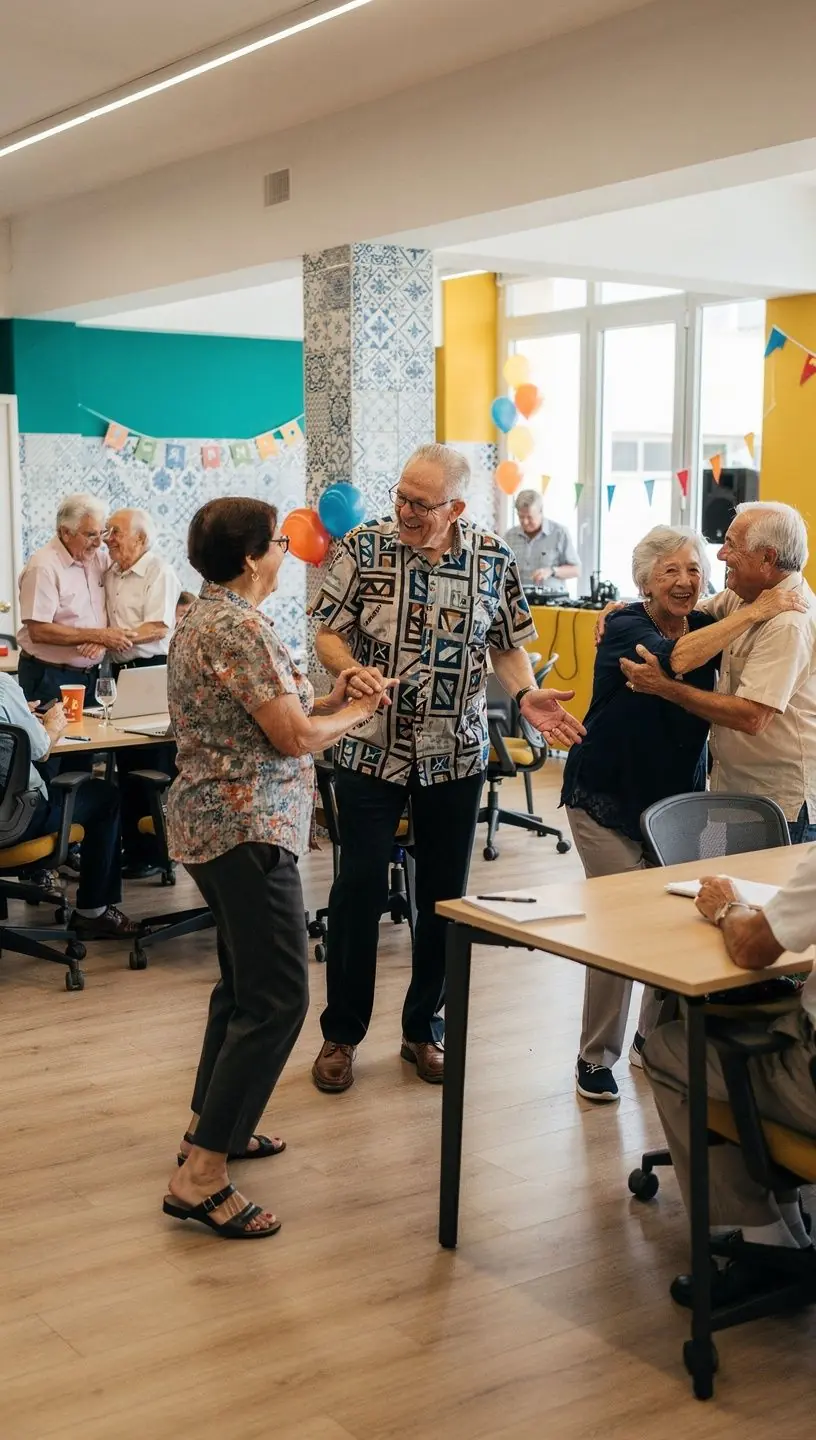
- Social Interaction: Participating in dance classes or social dance gatherings can combat loneliness, a significant risk factor for cognitive decline.
"Engaging in dance not only promotes physical fitness but also stimulates cognitive functions, making it a dual benefit for aging individuals." – Experts in gerontology
Practical Application of Dance for Cognitive Health
If you're considering incorporating dance into your routine for cognitive health, here are some practical steps to get started:
- Start with Classes: Joining a local dance class tailored for older adults can provide both structure and social interaction. Classes typically focus on various dance styles, allowing you to find what resonates with you.
- Practice Regularly: Experts recommend practicing dance at least 1-2 times a week. Regular engagement can enhance the benefits as consistency often leads to improved skills and cognitive gains.
- Choose Social Events: Attend weekly dance gatherings to not only practice but also to socialize. Many users report feeling more connected and engaged in their communities as a result of participating in such events.
Setting Realistic Expectations
It's important to have realistic expectations when beginning any new activity, including dance. While many individuals notice improvements in mood and social connections relatively quickly, cognitive enhancements may take longer to manifest. Typically, individuals may start to feel the cognitive benefits within a few months of consistent practice. Remember, each person's experience may vary based on prior knowledge of dance and individual physical capabilities.
Conclusion
Incorporating dance into your routine can be a rewarding way to promote cognitive health as you age. With numerous studies supporting its benefits, dance not only offers physical exercise but also cognitive and social stimulation. Whether through classes or social dance gatherings, the key is to engage regularly and enjoy the process. As many experts suggest, maintaining an active lifestyle through activities like dance can lead to a healthier mind and body as we grow older.
Learn More