Practical Tips for Starting a Dance Routine Later in Life
Starting a dance routine later in life can be a rewarding endeavor, promoting physical health and social engagement. This article will provide practical tips to help you ease into dance, backed by research and expert recommendations.
Understanding the Benefits of Dancing
According to studies, participating in dance can improve cardiovascular health, enhance flexibility, and boost mental well-being. Experts recommend engaging in dance as it incorporates both physical activity and social interaction, which are important for maintaining a healthy lifestyle in later years.

"Dance is a unique form of exercise that combines physical, social, and mental engagement, making it particularly beneficial for older adults." - Dance Research Journal
Getting Started: Practical Steps
- Consult with a Healthcare Professional: Before beginning any new exercise routine, it's advisable to consult with a healthcare provider, especially if you have any pre-existing health conditions.
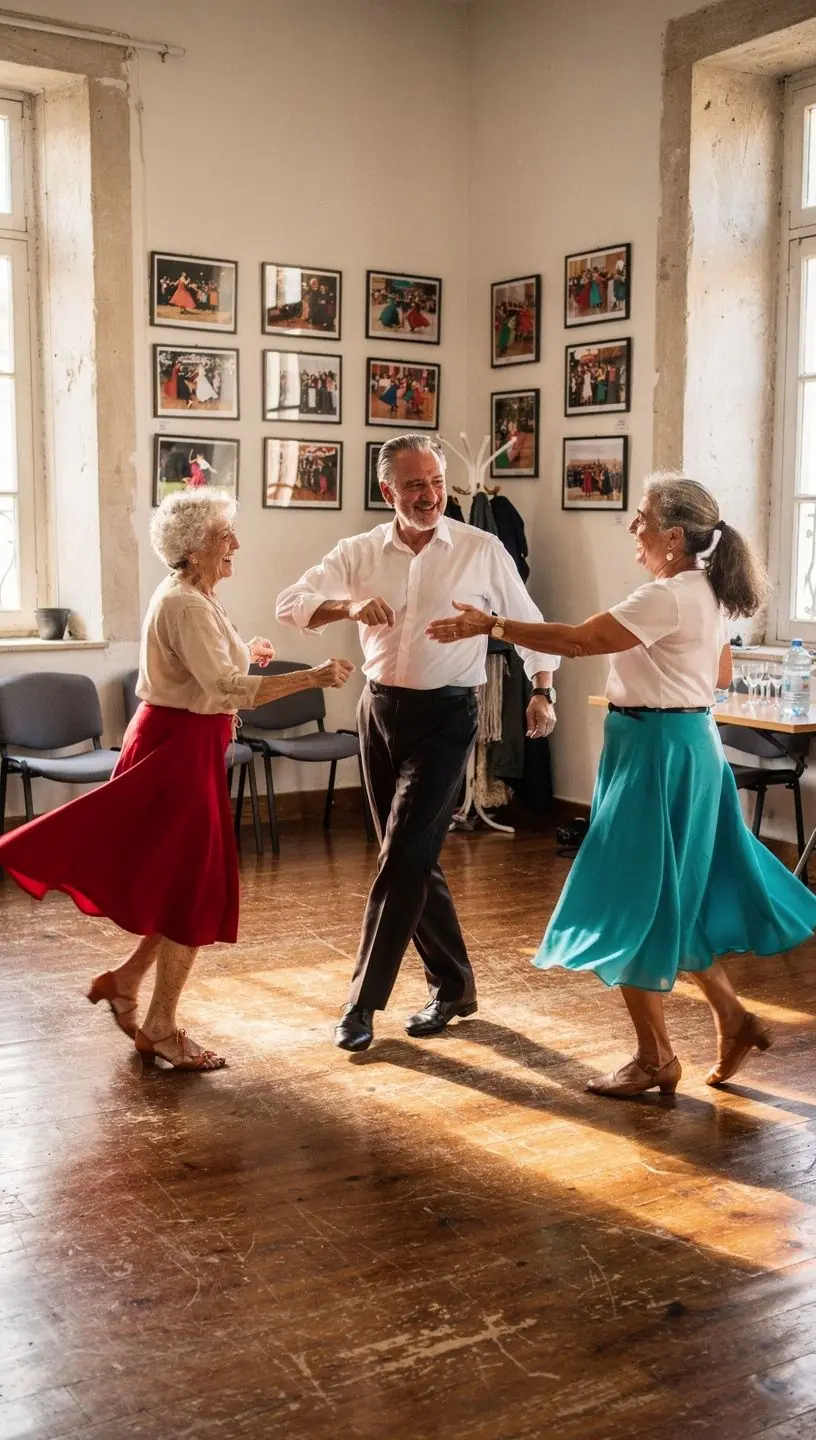
- Choose the Right Style: Different dance styles offer varying levels of intensity. Many users find that styles like ballroom or line dancing are more accessible and often focus on social interaction, making them ideal choices for beginners.
- Start Slow and Build Gradually: Initially, aim for short sessions of 20-30 minutes, 2-3 times a week. Research indicates that gradually increasing the duration and frequency can lead to better adherence and enjoyment.
Creating a Supportive Environment
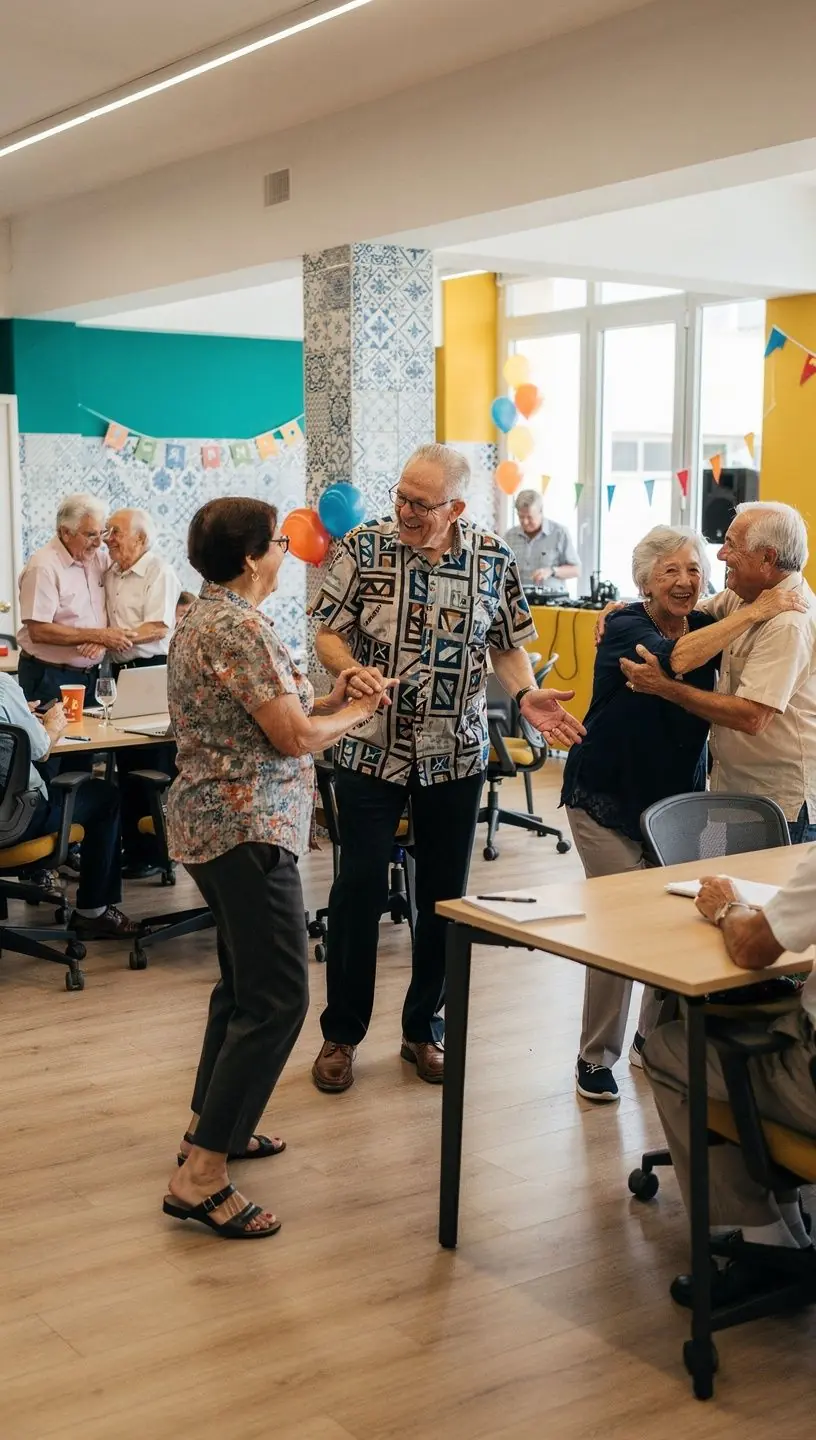
Finding a community can significantly enhance your dance experience. Many dance studios offer classes specifically designed for older adults, fostering a welcoming atmosphere. In Portugal, active aging coaching studios often host weekly social dance gatherings where participants can learn and socialize in a relaxed setting.
Incorporating Dance into Your Routine
To embed dance into your daily life, consider the following:
- Set Realistic Goals: Define what you want to achieve; whether it's improving coordination, meeting new friends, or simply having fun.
- Establish a Schedule: Consistency is key. Try to allocate specific times during the week for dance practice to create a habit.
- Track Your Progress: Keep a journal or use an app to note your sessions. Tracking can motivate you and help you see improvements over time.
What to Expect
It's important to acknowledge that starting a dance routine will involve a learning curve. Many users report initial discomfort or fatigue, but these feelings typically subside as you become more accustomed to the movements. Results, such as improved fitness and enhanced social connections, often appear within a few months of regular practice.
Conclusion
Starting a dance routine later in life can provide numerous benefits, from improved physical health to enhanced social interactions. By approaching it gradually and with realistic expectations, you can cultivate a fulfilling and enjoyable dance experience. Remember, the journey is what counts; take it one step at a time.