The Science Behind Movement and Aging Well
As we age, maintaining our physical health becomes increasingly important. Movement not only helps in physical fitness but is also essential for mental and emotional well-being. This article explores the scientific principles behind movement and how they contribute to healthy aging.
Understanding the Basics of Movement and Aging
Research indicates that regular physical activity can significantly benefit older adults. According to the World Health Organization (WHO), adults aged 65 and older should engage in at least 150 minutes of moderate-intensity aerobic activity weekly. This recommendation is based on studies showing that such activity can help improve cardiovascular health, muscle strength, and flexibility.

"Engaging in regular movement not only enhances physical health but also promotes cognitive function and emotional stability in older adults."
How Movement Affects Aging
Understanding the impact of movement on aging involves examining various physiological processes:
- Muscle Mass and Strength: Aging is often associated with a natural decline in muscle mass, known as sarcopenia. Regular resistance training can help mitigate this decline, maintaining strength and functionality.
- Bone Density: Studies show that weight-bearing exercises can improve bone density, reducing the risk of osteoporosis and fractures that are common in older adults.
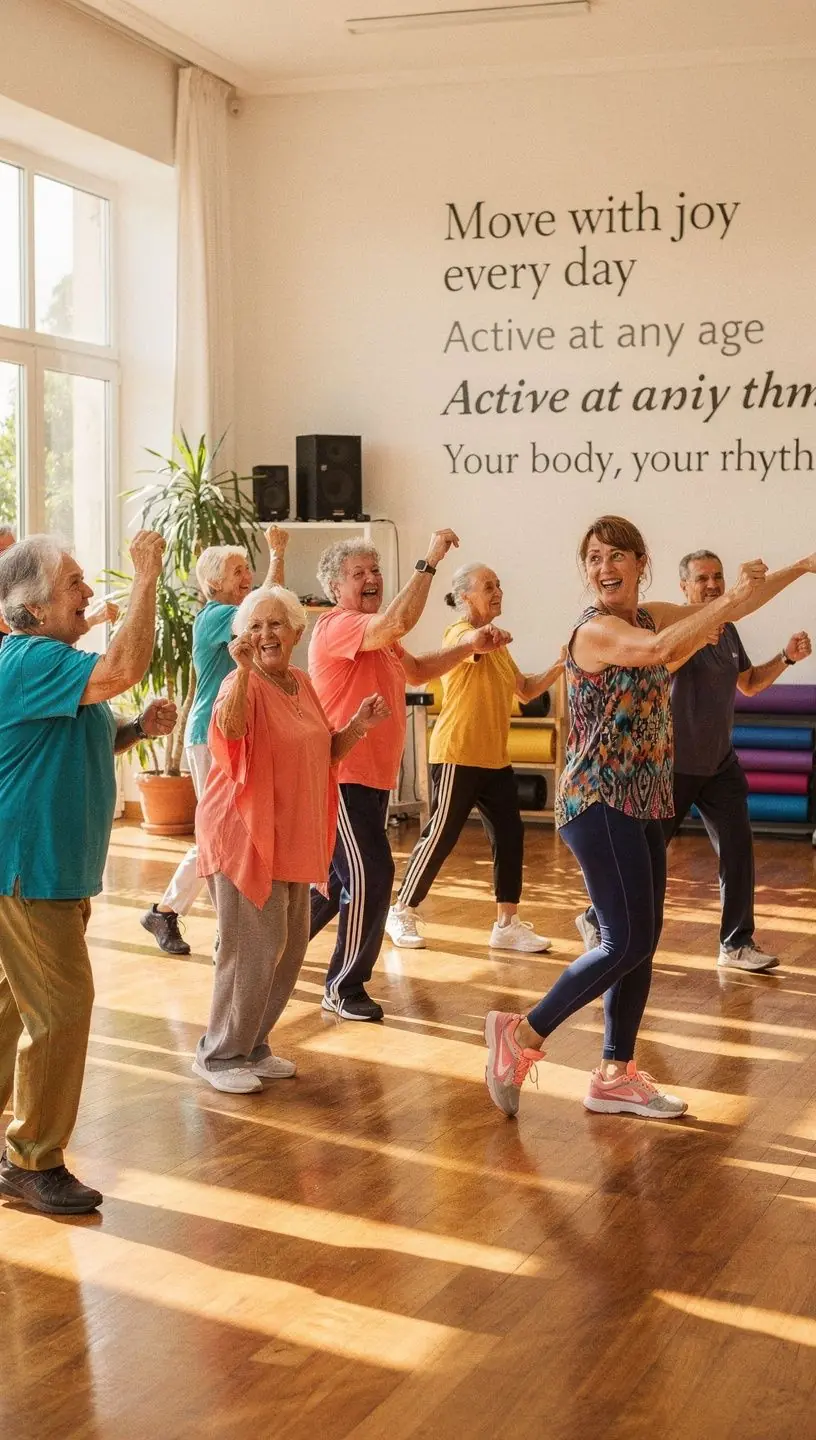
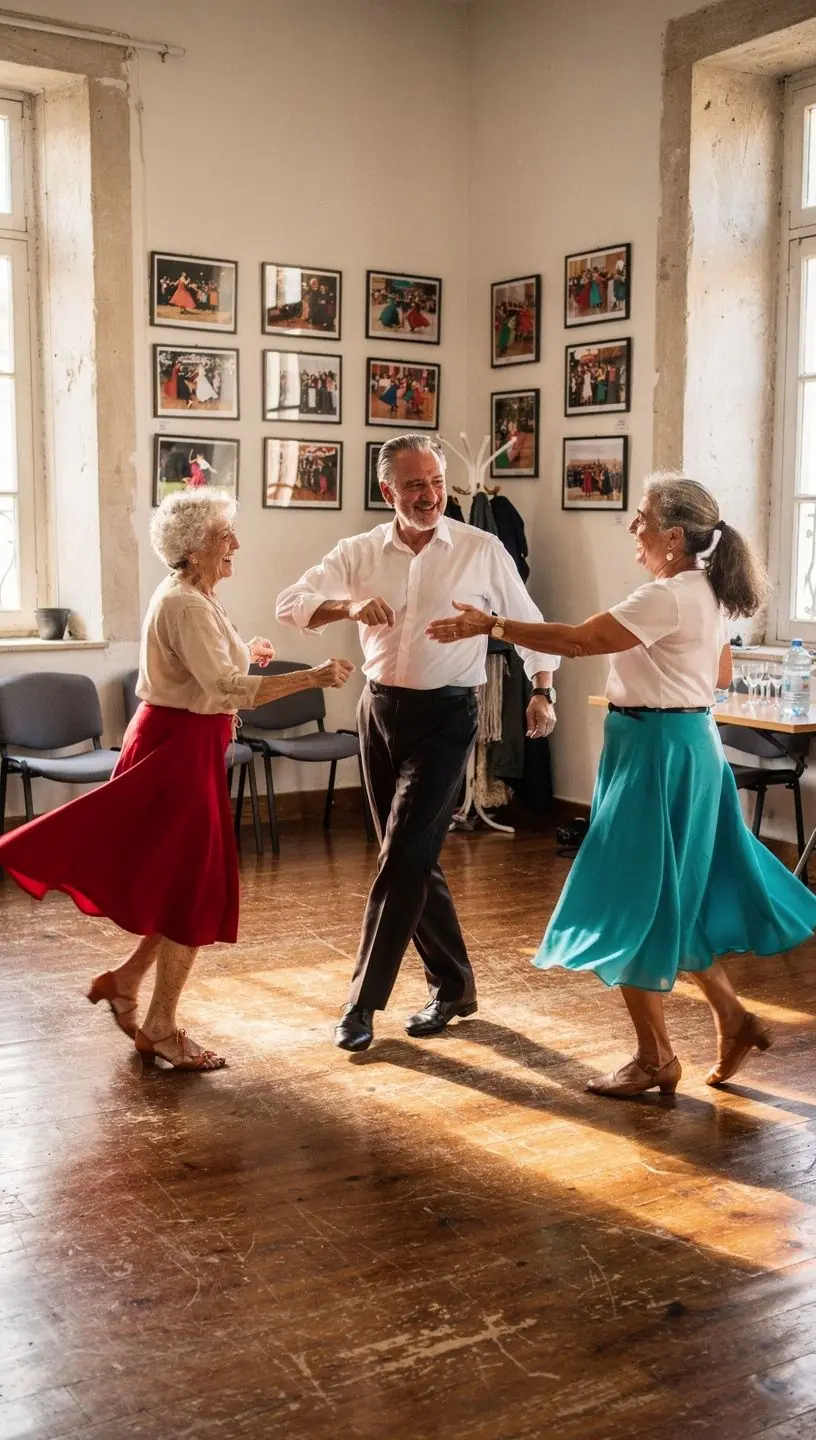
- Balance and Coordination: Many users report that activities like dance or tai chi enhance their balance and coordination, significantly lowering the risk of falls.
Practical Application of Movement for Active Aging
Incorporating movement into daily life involves a few straightforward principles:
- Start Slow: If you are new to physical activity, begin with shorter sessions of light exercise, gradually increasing intensity as your fitness improves.
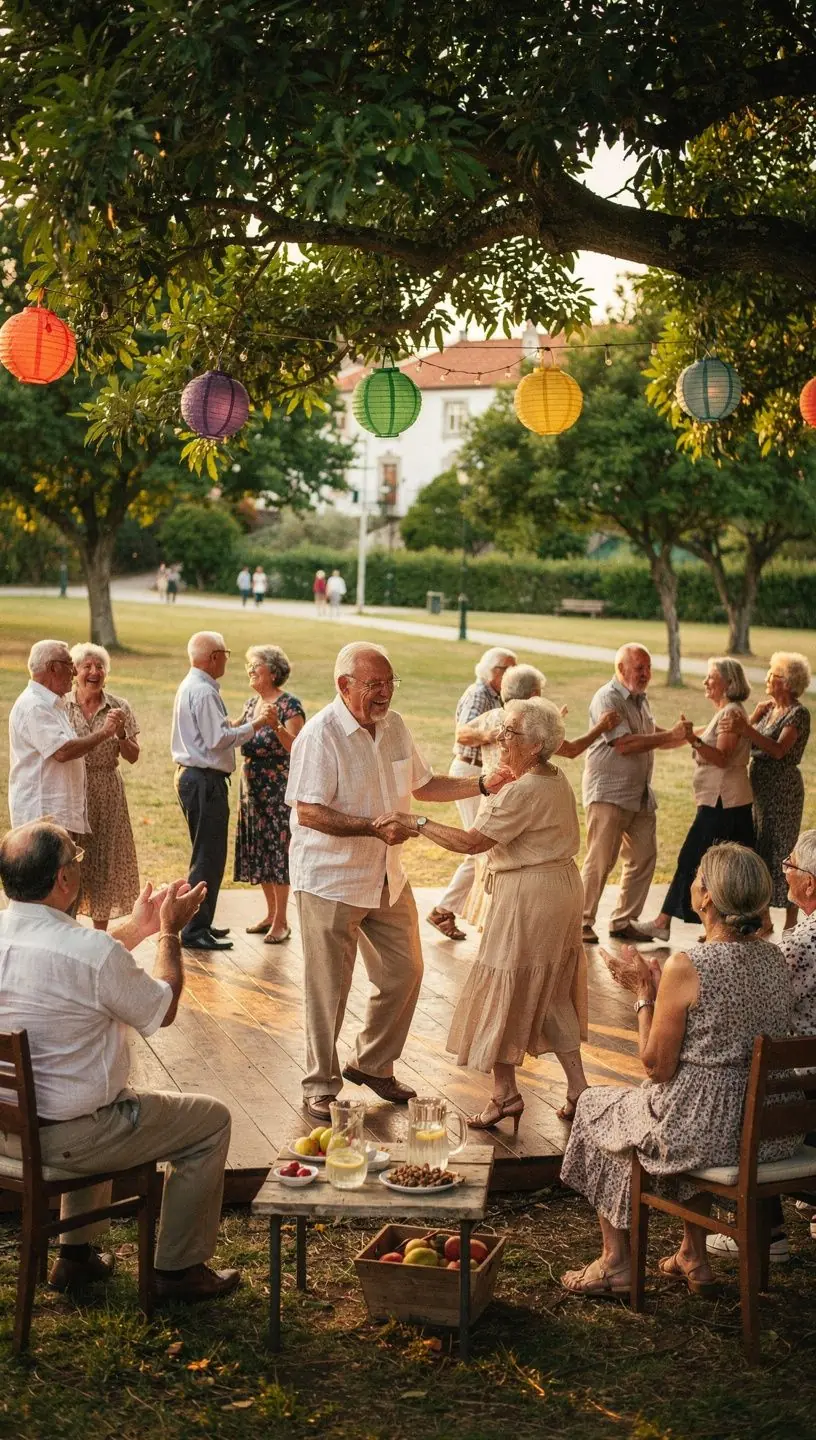
- Mix It Up: Combining aerobic exercises, strength training, and flexibility workouts can offer comprehensive benefits. Activities like social dancing not only provide exercise but also foster social connections, which are vital for emotional health.
- Stay Consistent: Establishing a regular routine is key. Aim for a mix of activities that you enjoy, as this can help sustain long-term participation.
Addressing Limitations and Setting Realistic Expectations
While the benefits of movement are substantial, it’s essential to acknowledge limitations. Regular exercise typically requires a commitment of 2-4 weeks before noticeable improvements manifest. Additionally, individuals with certain health conditions should consult healthcare providers before engaging in new physical activities. It’s crucial to remember that what works best for one person may not be suitable for another.
Conclusion
In summary, the science behind movement and aging reveals that active engagement in physical activities can lead to significant improvements in health and well-being for older adults. By understanding how movement affects our bodies and incorporating practical strategies, individuals can enhance their quality of life as they age. For those interested in adapting exercise into their lives, consider joining community programs or studios focused on active aging, where you can find support and camaraderie.
Learn More