How to Choose the Right Dance Class for Your Needs
Selecting the right dance class can significantly enhance your enjoyment and progress, especially in the context of active aging. This article explores key considerations to help you find a class that suits your needs effectively.
Understanding Your Goals
Before choosing a dance class, it’s important to understand your personal goals. Are you looking to improve your fitness, enjoy social interactions, or perhaps learn specific dance styles? According to experts in the field of active aging, setting clear objectives can lead to a more fulfilling experience in dance.

"Identifying your goals helps streamline the decision-making process and aligns your efforts with your expectations." - Dance Coach, Anna Mendes
Assessing Class Types
There are various types of dance classes available, each offering distinct benefits:
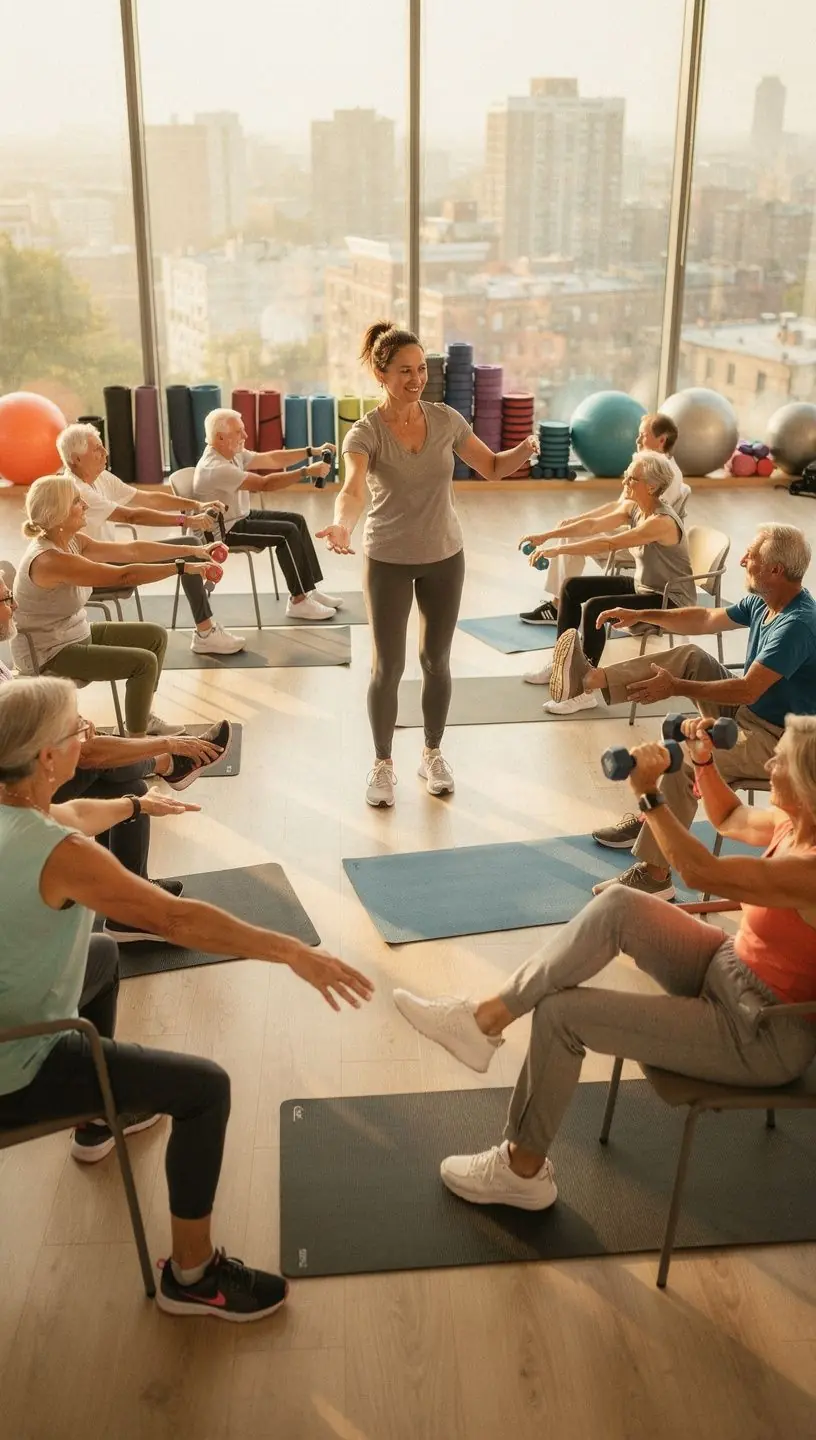
- Fitness-Focused Classes: Typically aim to improve physical health and stamina through dance. Research shows that these classes may enhance cardiovascular fitness and flexibility.
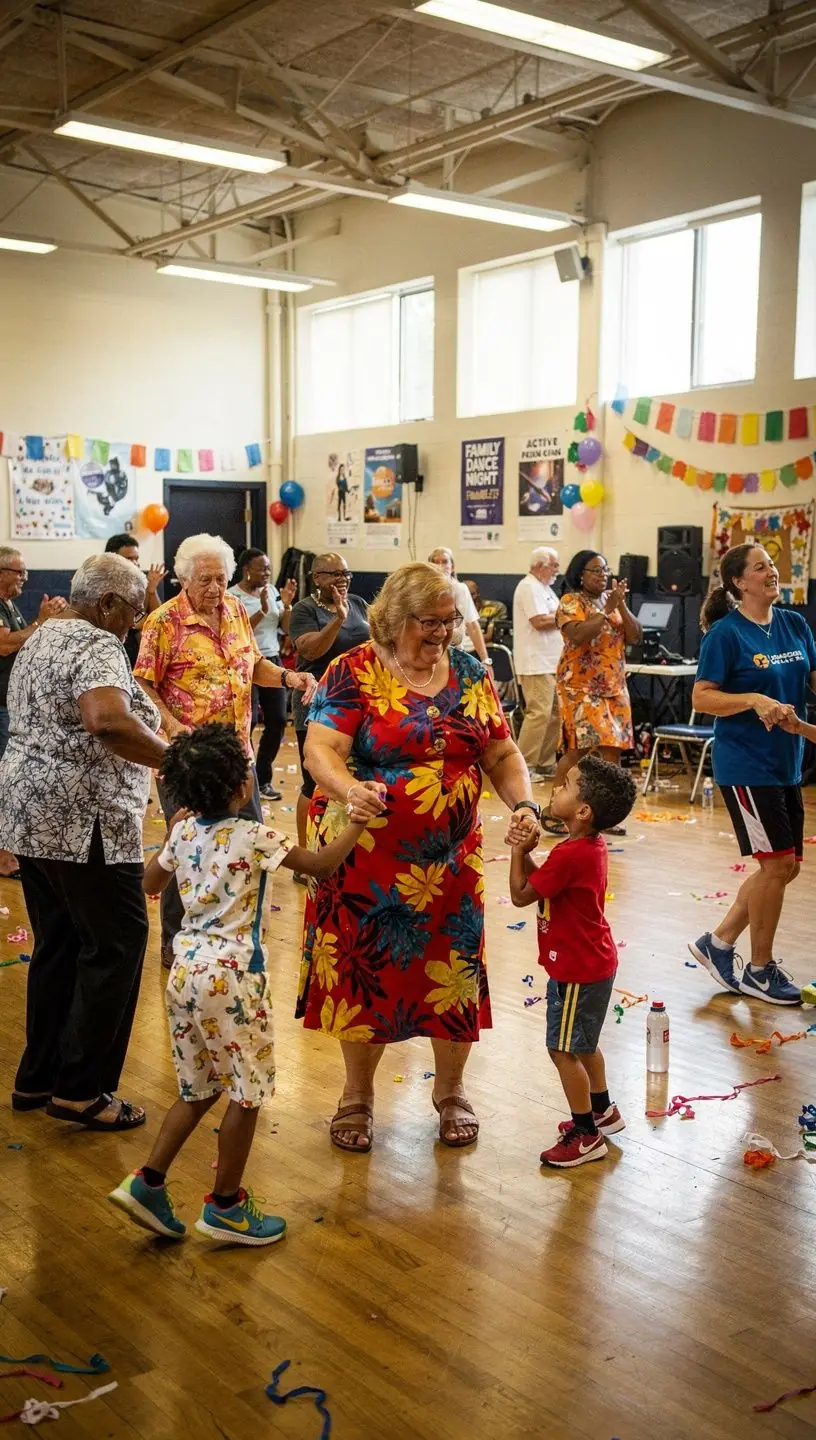
- Social Dance Gatherings: Often provide a relaxed environment to meet new people and build friendships. Many users report increased happiness and improved social skills from regular participation.
- Technique Classes: Focus on teaching specific dance styles, which can contribute to mastering movement and improving overall coordination.
Considering Class Structure and Environment
The structure and environment of a dance class can significantly impact your experience. Consider these factors:
- Class Size: Smaller classes often provide more personalized attention, which can be beneficial for those who are new to dancing. In contrast, larger classes may offer a vibrant atmosphere but less direct feedback.
- Instructor Experience: Research indicates that instructors with a strong background in active aging can better cater to the needs of older adults, ensuring a safer and more effective learning environment.
- Class Duration and Frequency: Classes that meet regularly (e.g., weekly) typically yield better results. Many experts recommend committing to at least 2-4 weeks of classes to assess your progress and enjoyment.
Evaluating Accessibility and Commitment
It’s crucial to consider how accessible a dance class is for you:
- Location: Choose a venue that is conveniently located and accessible, particularly if mobility is a concern.
- Time Commitment: Dance classes often require a commitment of time and energy. Be realistic about your schedule and what you can consistently dedicate to improving your skills.
- Equipment Needs: Some classes may require specific footwear or attire. Clarifying these needs can prevent any last-minute surprises.
Trial Classes and Feedback
Many studios recommend attending trial classes before committing. This allows you to experience the teaching style and environment first-hand. Experts suggest seeking feedback from fellow participants about their experiences, which can provide insight into the class dynamics and instructor effectiveness.
"Participating in a trial class can help you gauge whether the program fits your objectives and personal preferences." - Fitness Specialist, Marco Silva
Conclusion
Choosing the right dance class for your needs involves a combination of understanding your goals, evaluating class types and structures, and considering accessibility. By taking the time to explore your options and seek feedback, you can find a dance experience that is enjoyable and enriching. Remember, the journey of dance is not just about mastering steps but also about the joy of movement and connection with others.
Learn More