Understanding the Social Benefits of Group Dance Activities
As we age, maintaining social connections is crucial for overall well-being. Group dance activities not only provide a fun way to stay active but also offer significant social benefits that can enhance our quality of life.
The Social Dynamics of Dance
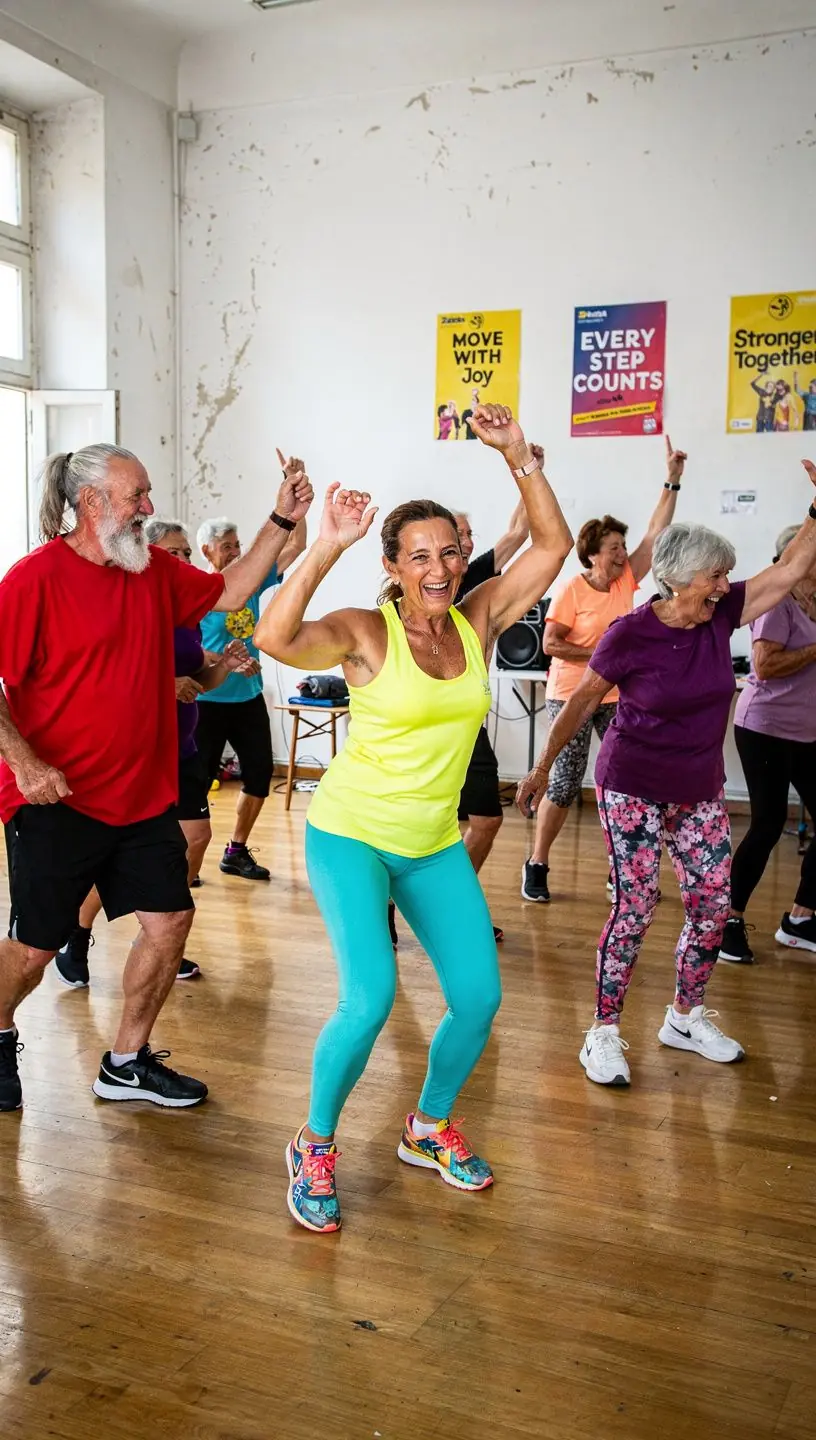
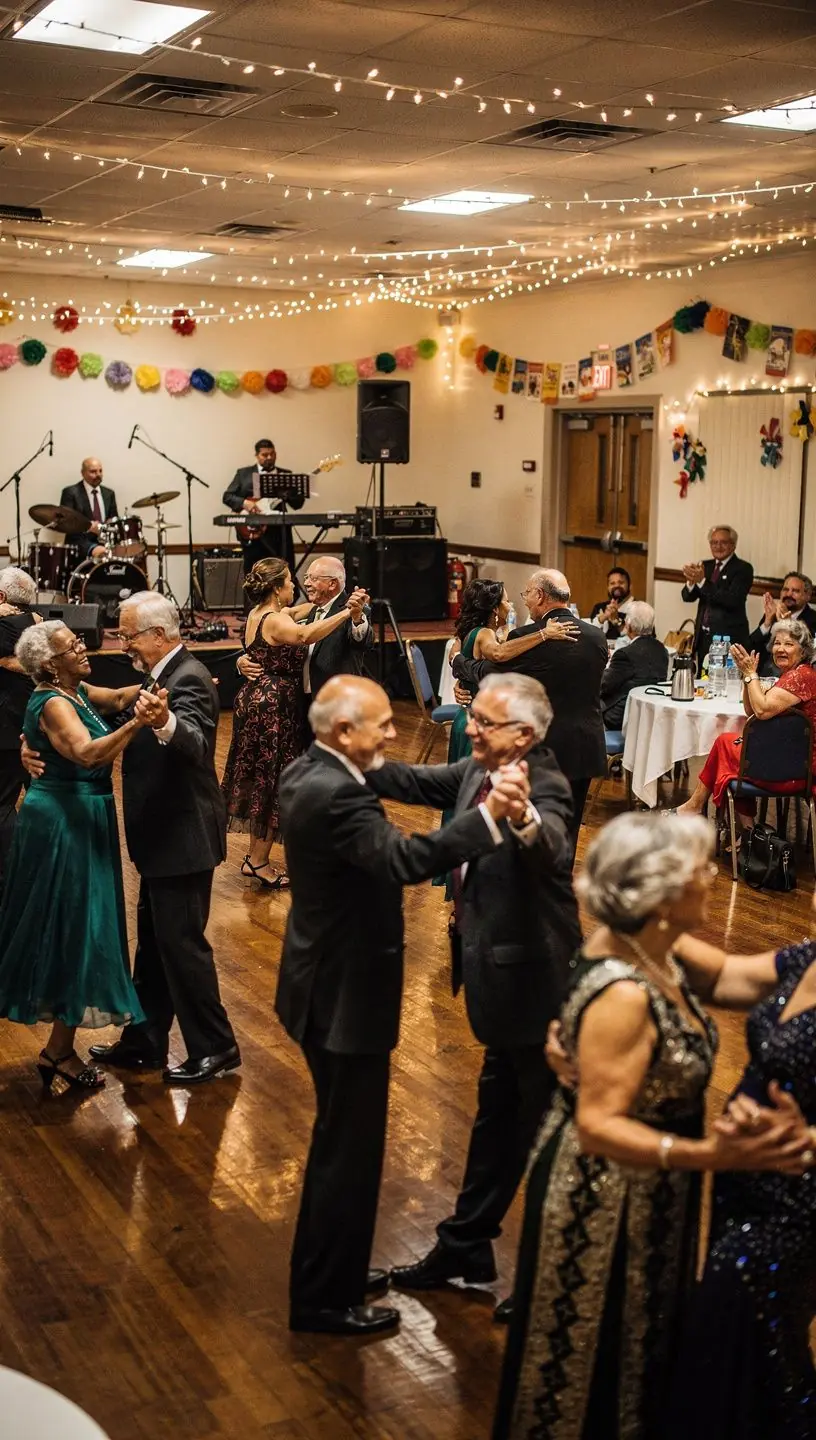
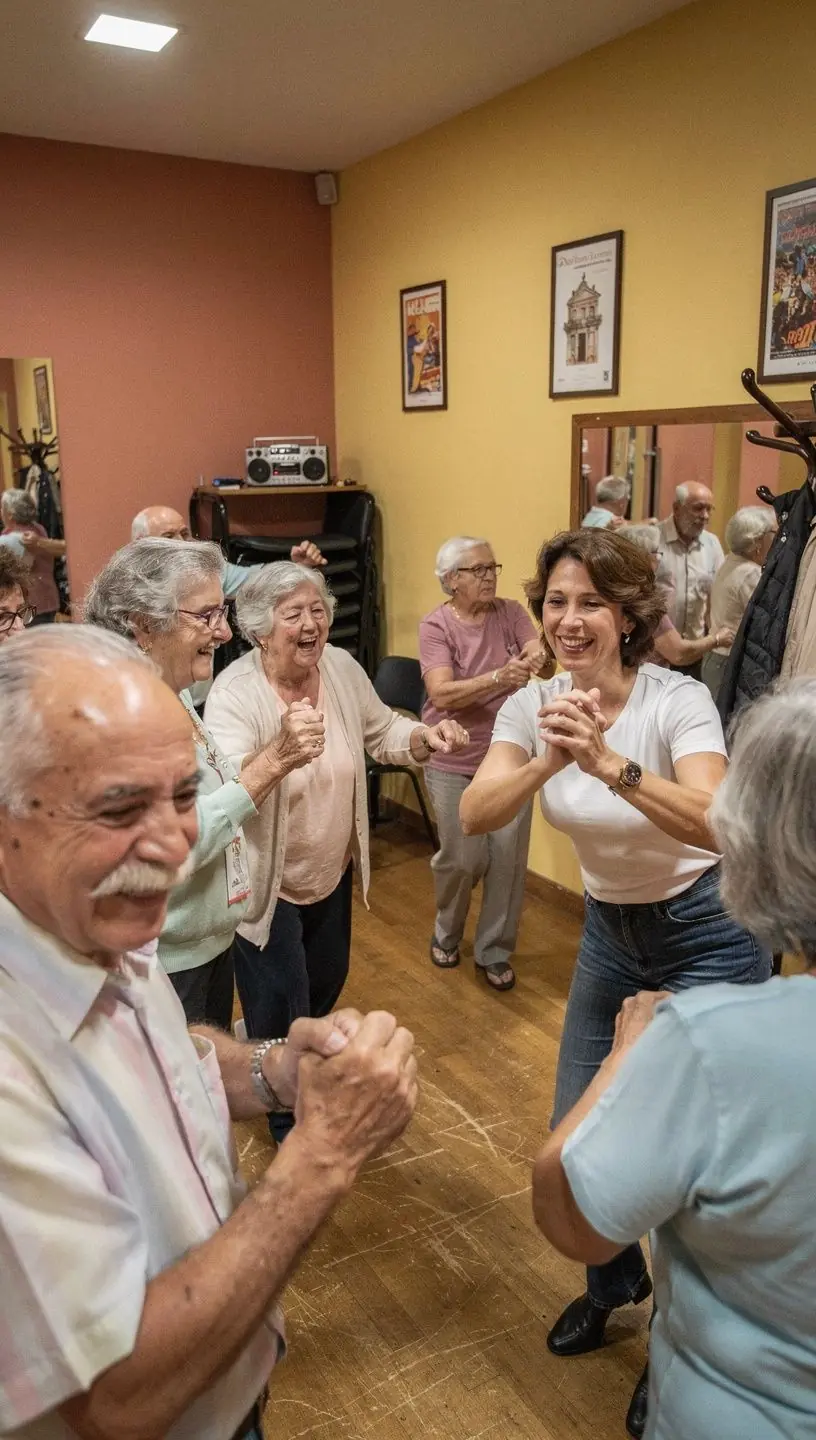
Dancing in a group setting fosters a sense of community and belonging, which is vital for those over 50. According to research from the National Institute on Aging, engaging in social activities can reduce feelings of loneliness and isolation, common issues among older adults. This works because group settings often encourage communication and interaction.
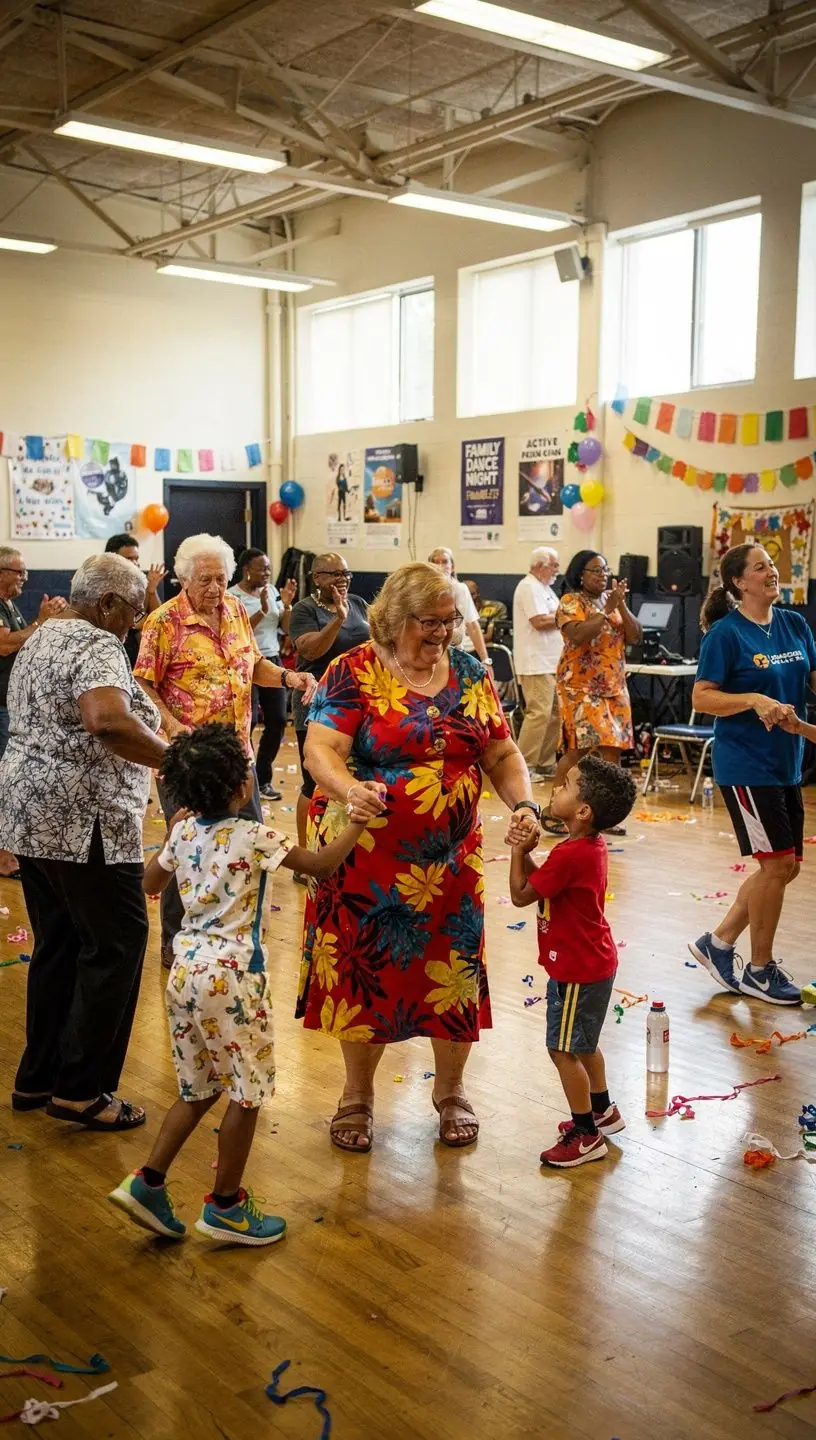
"Social dance can significantly improve emotional health and foster community bonding among participants." - Dr. Linda Cohen, Sociologist
Benefits of Group Dance Activities
Participating in group dance activities can lead to various social benefits:
- Enhanced Social Interaction: Many users report that regular dance classes help them meet new people, expanding their social networks.
- Improved Mood: Studies show that physical activities like dancing release endorphins, which contribute to a more positive outlook on life.
- Teamwork and Cooperation: Dancing often involves partners or groups, encouraging cooperation and teamwork, which can translate into improved relationship skills.
How Group Dance Activities Work
Group dance classes typically involve structured sessions that guide participants through various dance styles. This is beneficial because:
- The step-by-step approach helps build confidence, which can enhance social interaction.
- Classes usually last 1-2 hours, making it a manageable commitment for those with busy schedules.
- Participants often engage in warm-ups, dances, and cool-downs, helping to foster a sense of accomplishment and camaraderie.
Commitment and Expectations
While group dance activities can be incredibly rewarding, they do require some time and effort:
- Many participants find that regular attendance (weekly or bi-weekly) is essential for forming lasting connections with fellow dancers.
- There is typically a learning curve associated with new dance styles, which means dedication is necessary to enjoy the full benefits.
- Results, such as improved social skills and emotional well-being, often appear within several weeks of consistent participation.
Conclusion
In summary, group dance activities provide more than just physical exercise; they offer valuable social benefits that can significantly enhance the lives of older adults. By fostering connections, improving mood, and encouraging teamwork, these activities can play a crucial role in active aging. If you're considering joining a local dance group, remember that the social and emotional rewards are well worth the commitment.
Learn More