Practical Strategies for Safely Dancing with Chronic Conditions
Dancing can be a joyful activity, even for those with chronic conditions. This article offers practical strategies to ensure safety and enjoyment while dancing, providing insights based on expert recommendations and evidence-based research.
Understanding the Basics of Dancing with Chronic Conditions
Engaging in dance may offer numerous benefits, such as improved mood and enhanced physical health. According to a study published in The Journal of Aging and Physical Activity, dance can improve balance and coordination, which are essential for older adults and those with chronic conditions. However, it’s crucial to approach dancing with caution, especially for individuals managing health issues.
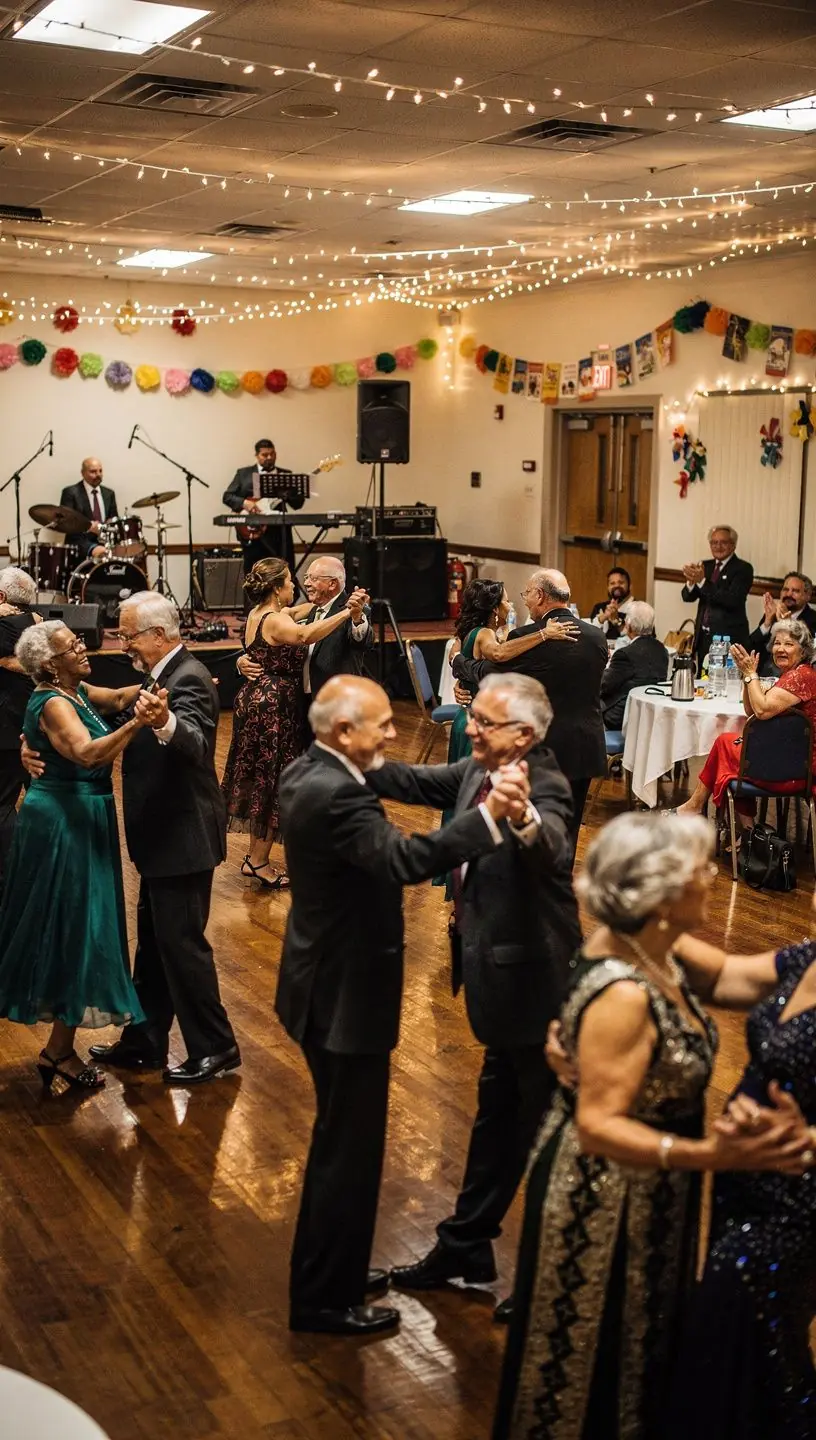
"Dance therapy has shown to be effective in improving the quality of life for individuals with chronic illness, highlighting its therapeutic potential." - Research Journal of Therapy
Practical Strategies for Safe Dancing
- Consult with Healthcare Professionals: Before starting any new physical activity, particularly dance, it’s advisable to consult with a healthcare provider. They can offer insights specific to your conditions and recommend suitable activities.
- Start Slow: Begin with gentle movements and low-impact styles. Many users report that starting with simple steps can help build confidence and avoid injury. For example, styles like ballroom or social dance are often more manageable and provide an enjoyable atmosphere.
- Adapt Your Environment: Ensure that the dancing space is safe and free from hazards. This includes having a non-slip surface and adequate lighting. Experts recommend this to minimize the risk of falls, which can be particularly concerning for those with balance issues.
Building a Supportive Community
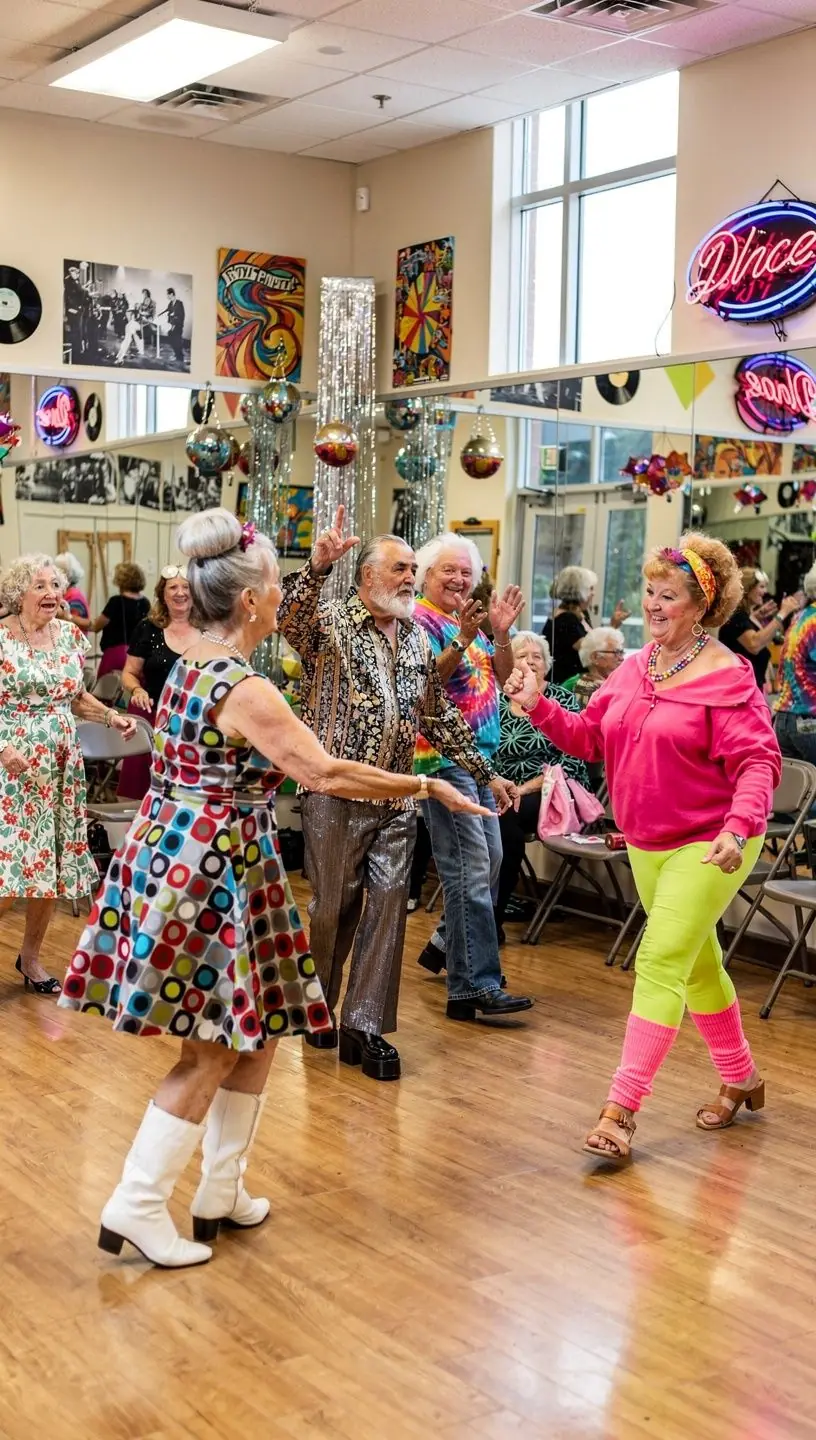
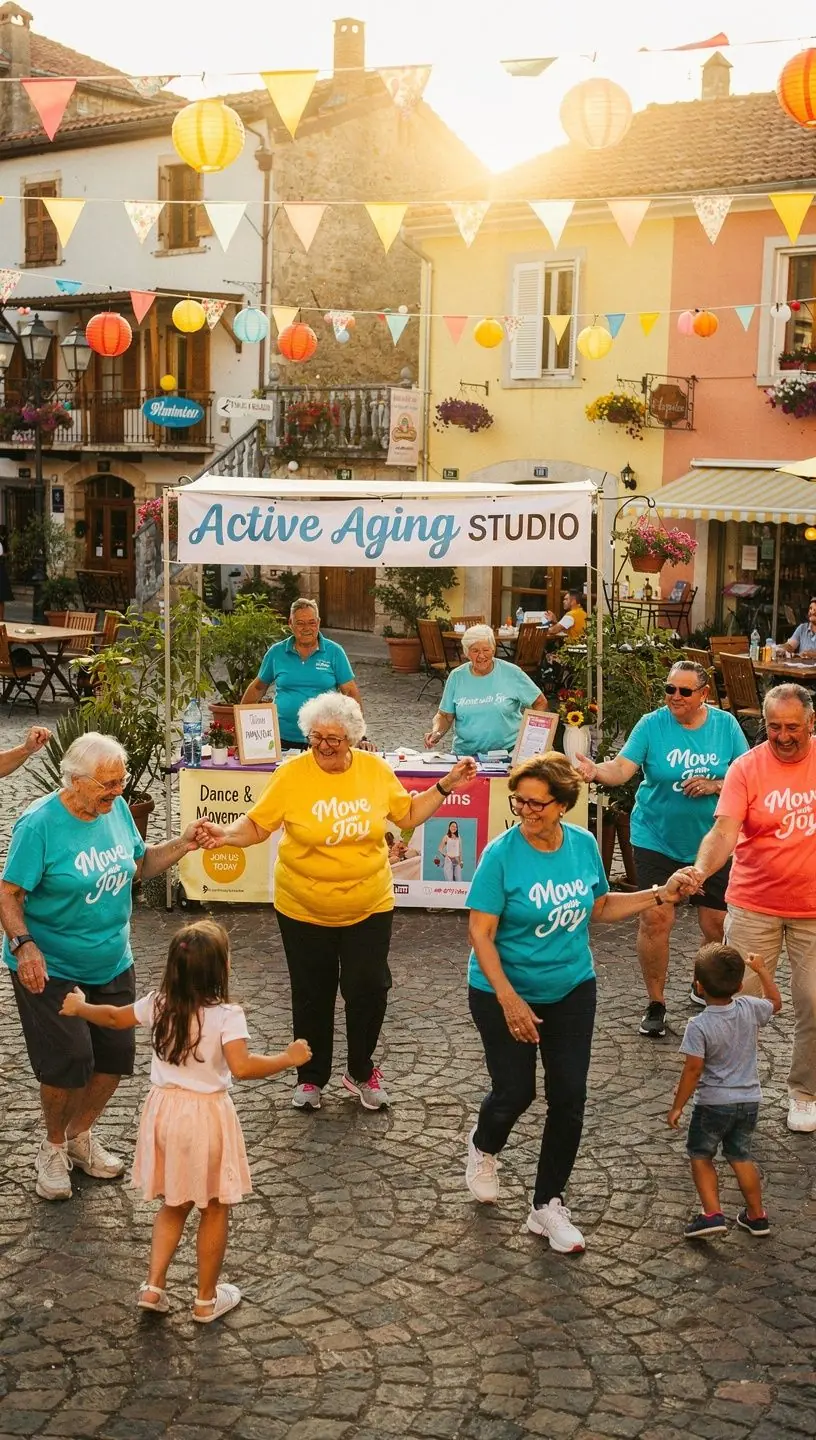
Participating in group dance classes can enhance motivation and social connections. Research indicates that social interaction is vital for mental health, especially for older adults. Weekly offline gatherings allow participants to engage in a supportive environment, sharing experiences and encouraging one another.
Cautions and Considerations
While many find dancing beneficial, it may not be suitable for everyone. Individuals with certain severe chronic conditions or disabilities should approach dancing with care. It’s essential to listen to your body and stop if you experience discomfort or pain. Setting realistic goals and acknowledging progress, rather than perfection, can enhance the experience.
Conclusion
In conclusion, dancing can be a fulfilling activity for those with chronic conditions, provided that safety measures are observed. By following these practical strategies and consulting healthcare professionals, individuals can enjoy the physical and emotional benefits of dance. Remember that the journey is as important as the destination, and every attempt counts towards improved well-being.