How to Balance Dance with Other Fitness Activities
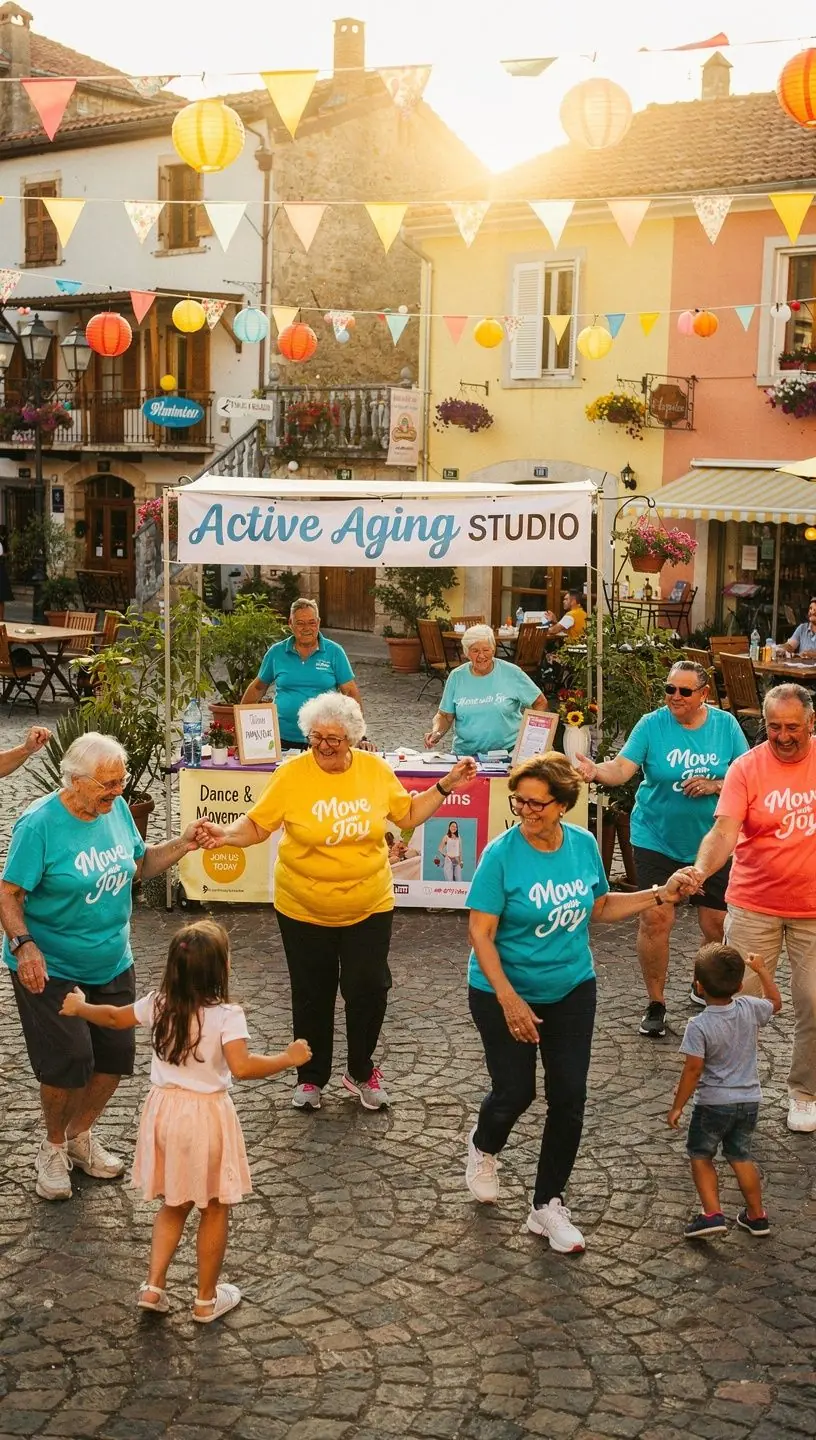
Incorporating dance into your fitness routine can enhance your overall well-being, especially as we age. This article explores how to effectively balance dance with other fitness activities for a holistic approach to active aging.
Understanding the Benefits of Dance
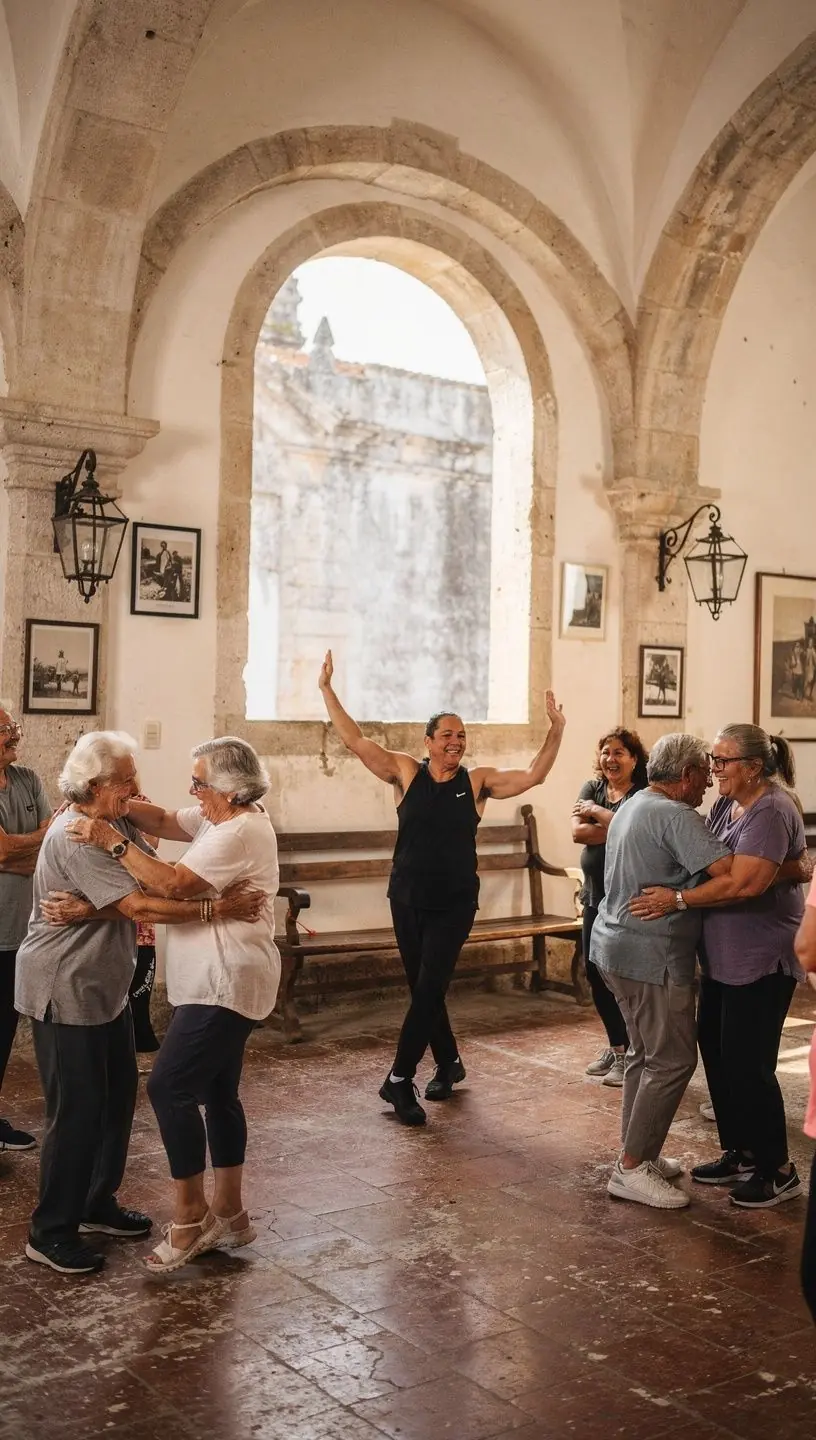
Dance is not just an enjoyable activity; it is also a proven form of exercise that can improve cardiovascular health, flexibility, and coordination. According to research conducted by the American Council on Exercise, dance can provide similar cardiovascular benefits as traditional aerobic exercises. Experts recommend that incorporating dance into your routine may improve mood and cognitive function, making it particularly beneficial for older adults.
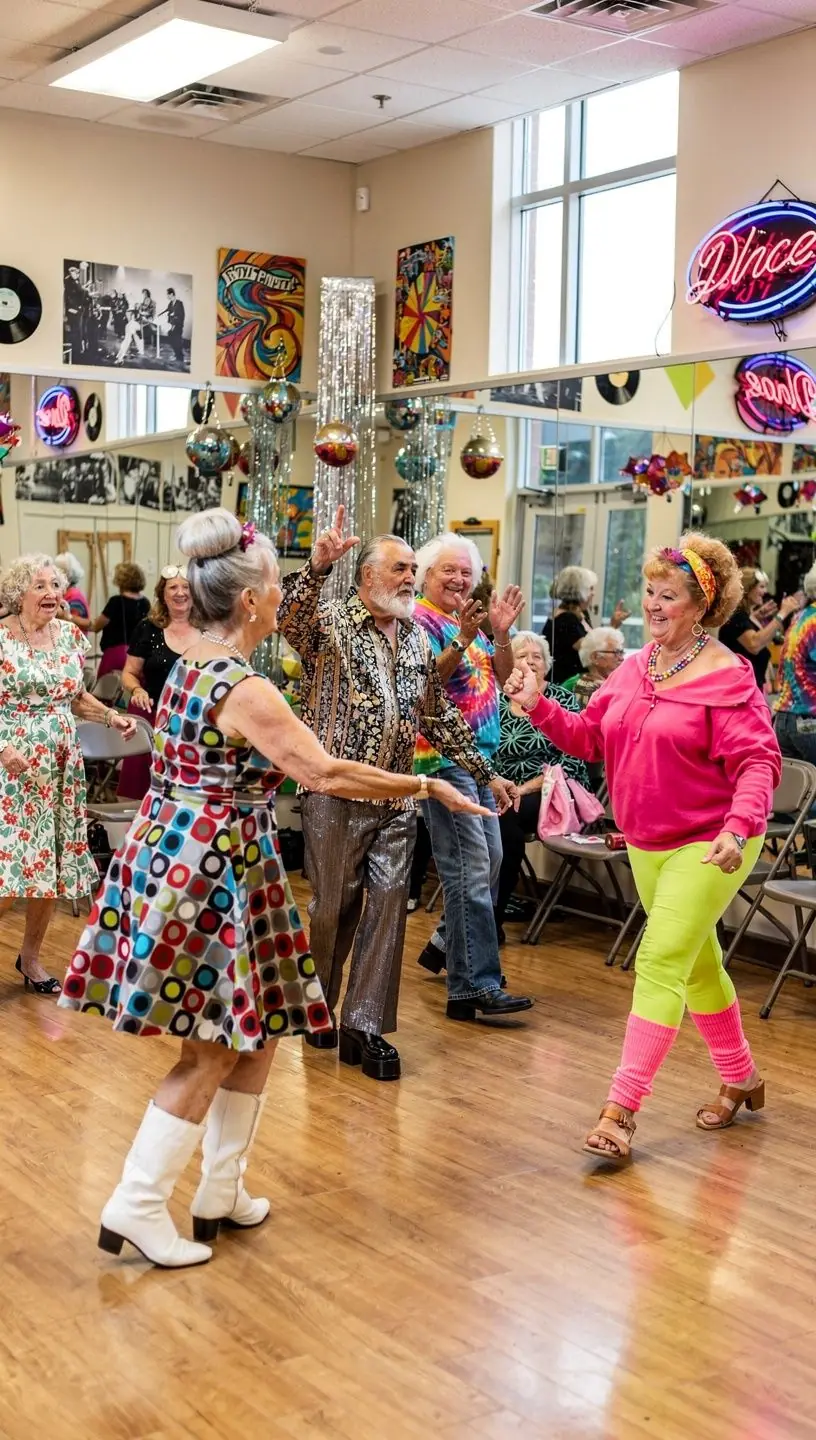
"Dance can enhance both physical and mental well-being in older adults, providing a fun way to stay active." - Industry Expert
Choosing Complementary Fitness Activities
To achieve a balanced fitness regimen, it's essential to include various types of physical activities. Here are some effective ways to integrate dance with other forms of exercise:
- Strength Training: Incorporating light strength training exercises twice a week can help to build muscle mass and strengthen bones, which may decrease in density with age. Activities such as resistance bands or light free weights can be easily mixed with dance sessions.
- Cardio Alternatives: While dance itself is a form of cardio, you might also consider activities like walking, cycling, or swimming to maximize aerobic benefits. Many users report that alternating between these activities helps to maintain interest and motivation.
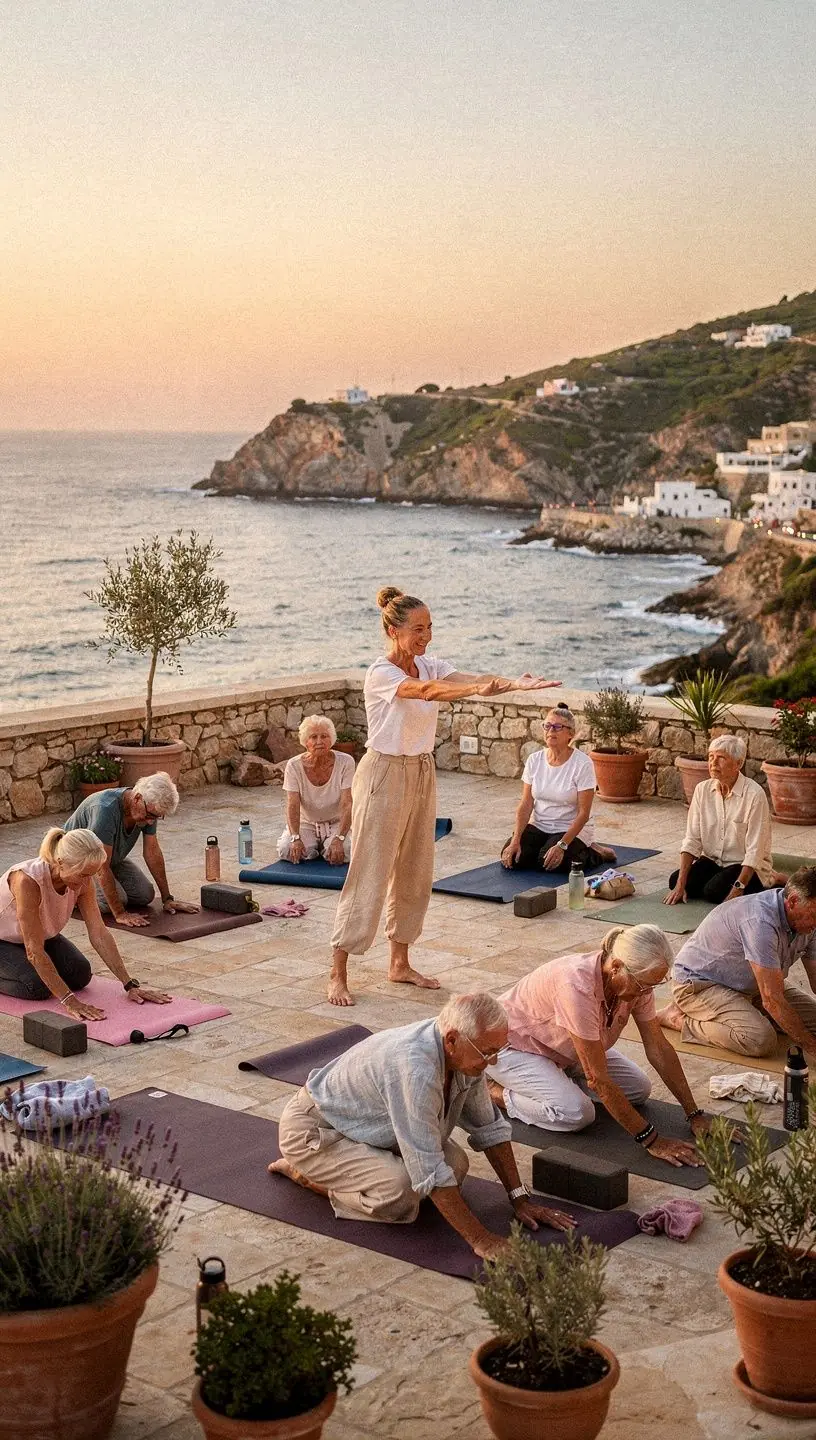
- Flexibility and Balance Work: Practices like yoga or Pilates can complement dance by improving flexibility and balance, which is crucial for preventing falls among older adults. Research indicates that regular practice can enhance stability and mobility.
Creating a Weekly Schedule
Balancing dance with other fitness activities requires planning. Here’s a simple framework to create an effective weekly schedule:
- Reserve specific days for dance classes—aim for 2-3 times a week.
- Include strength training sessions on alternate days, focusing on major muscle groups.
- Dedicate at least one day to flexibility and balance activities, such as yoga or Pilates.
- Consider a leisurely walk or light swim on rest days to maintain activity without overexertion.
Adapting this schedule will typically take a few weeks to establish, and it requires commitment to observe tangible improvements.
Acknowledging Personal Limitations
It’s important to recognize that each individual’s capacity for physical activity varies. As you integrate dance and other fitness activities into your routine, listen to your body. This works best when you gradually increase intensity and remain mindful of any limitations. In some cases, individuals may find certain activities less enjoyable or more challenging.
Conclusion
Balancing dance with other fitness activities offers a well-rounded approach to health and wellness. By diversifying your regimen, you can enjoy the benefits of dance while also reaping the rewards of strength, flexibility, and aerobic fitness. Remember to set realistic expectations, as results typically appear within a few months, and the key is consistency and enjoyment in your activities.