Understanding the Benefits of Social Dance for Seniors
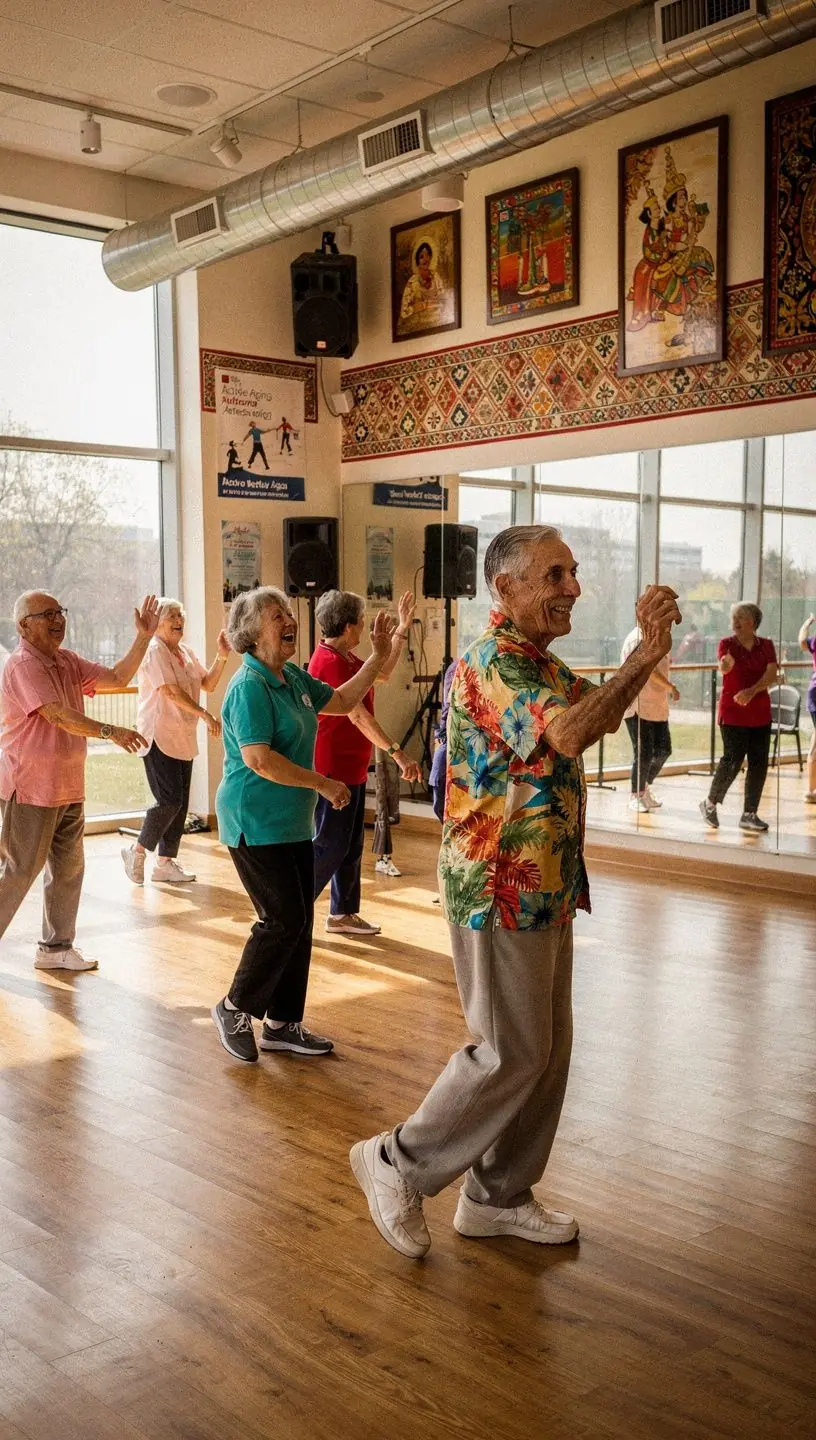
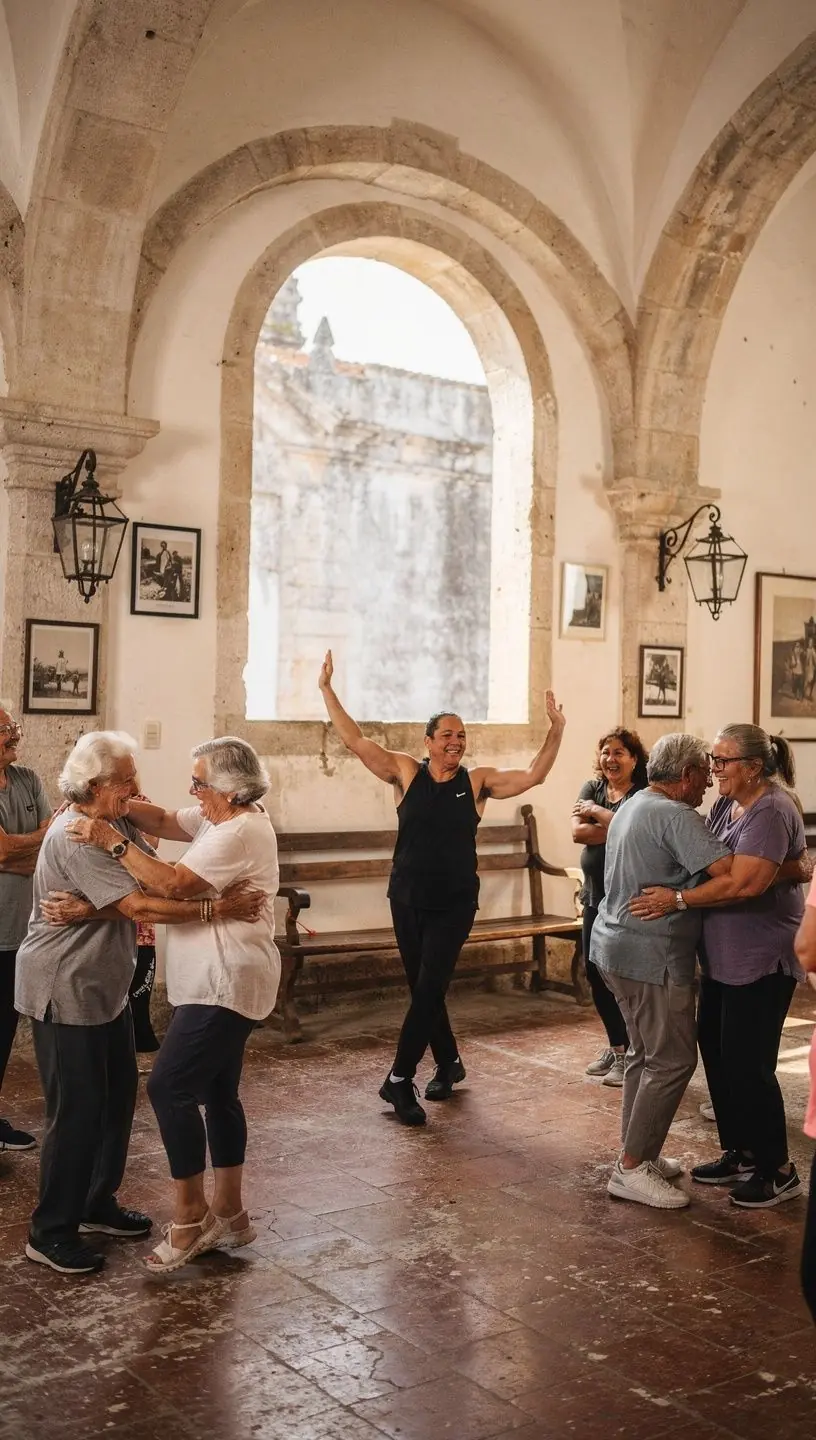
Social dance offers more than just rhythm and movement; it provides an enriching experience that can significantly enhance the quality of life for seniors. In this article, we will explore the various benefits of social dance for older adults, supported by research and expert recommendations.
The Importance of Social Interaction
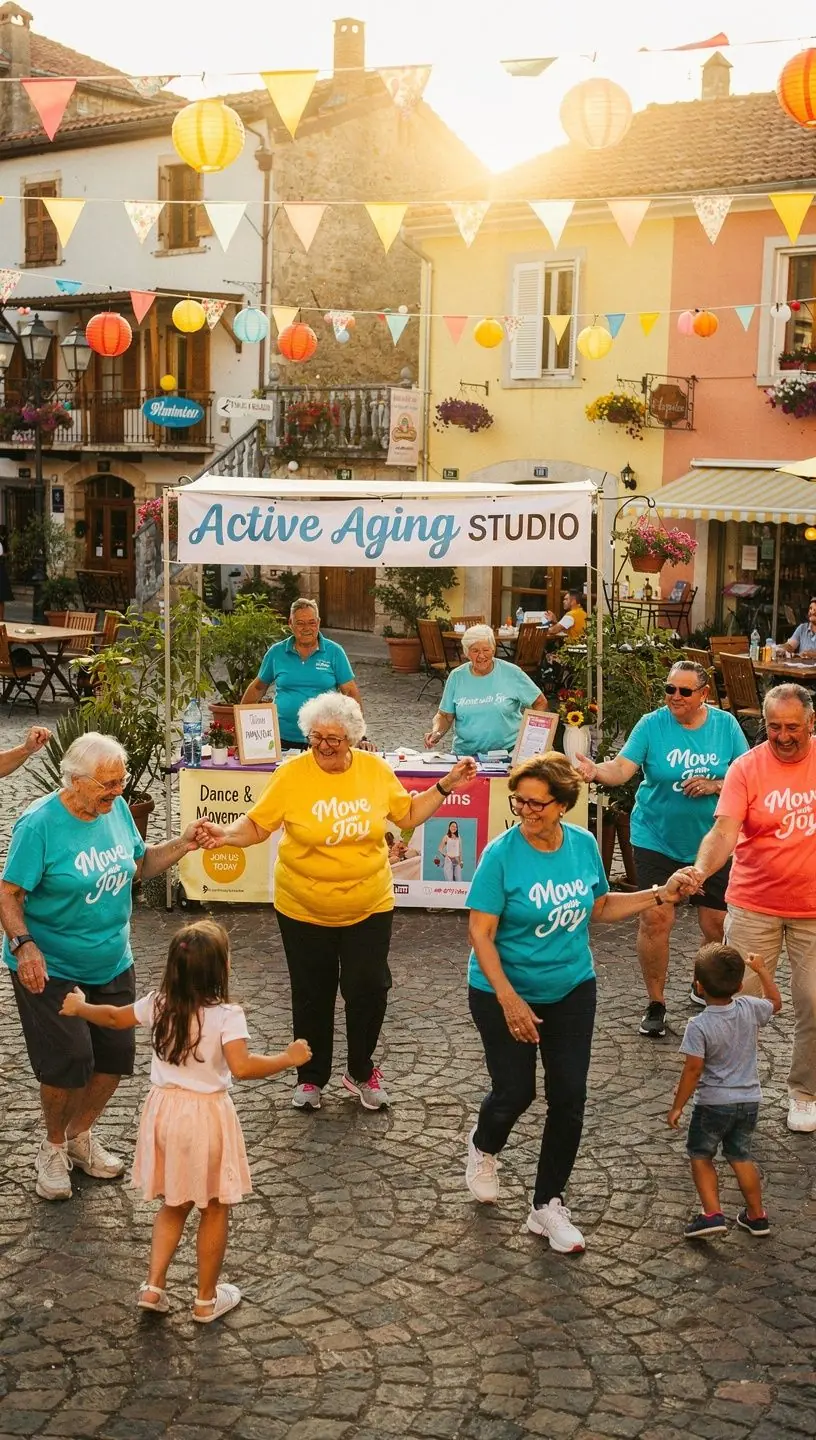
According to studies, social engagement is crucial for mental health, particularly in older adults. Social dance programs typically foster a sense of community and belonging, which can reduce feelings of loneliness and isolation. Experts recommend that seniors participate in group activities, such as dance, to promote social bonds and improve emotional well-being.
"Research indicates that maintaining social relationships can lead to a longer, healthier life." – National Institute on Aging
Physical Health Benefits
Engaging in social dance can also offer various physical health benefits. Regular dancing can improve balance, flexibility, and cardiovascular health. A study published in the Journal of Aging and Physical Activity found that participants who danced regularly experienced improved balance and mobility, which are critical factors in fall prevention among seniors.
How Dance Improves Physical Health
- Cardiovascular Fitness: Dance routines often involve rhythmic movements that elevate the heart rate. This can contribute to better cardiovascular health.
- Muscle Strength: Many dance styles incorporate movements that strengthen various muscle groups, aiding overall physical fitness.
- Flexibility and Coordination: The diverse movements in dance can enhance flexibility and coordination, which tends to decline with age.
Cognitive Benefits of Dance
Studies show that social dance can also be beneficial for cognitive function. Dance requires memory recall for steps and sequences, which can enhance mental agility. A research article in the New England Journal of Medicine found that dancing regularly may even reduce the risk of dementia.
Why Dance is Good for the Brain
The principle behind this is that the combination of physical activity, social interaction, and mental stimulation involved in dance engages multiple areas of the brain, promoting cognitive health. Additionally, the rhythm and music can enhance mood and cognitive performance.
Setting Realistic Expectations
While the benefits of social dance are supported by research, it is important to set realistic expectations. Consistency is key; participants typically see improvements in their physical and emotional health after a few weeks of regular practice. Engaging in dance classes or gatherings once a week can yield noticeable benefits, but those who wish to maximize their experience may find it beneficial to attend more frequently.
Conclusion
In summary, social dance serves as an effective approach for enhancing both mental and physical well-being in seniors. With its potential to foster social connections, improve physical health, and support cognitive function, participating in a dance program can be a rewarding experience. Many users report feeling more energized and socially connected after engaging in these activities. If you are considering joining a dance program, remember that it may take time to adapt to new movements and social settings, but the journey can be both enjoyable and beneficial.
Learn More