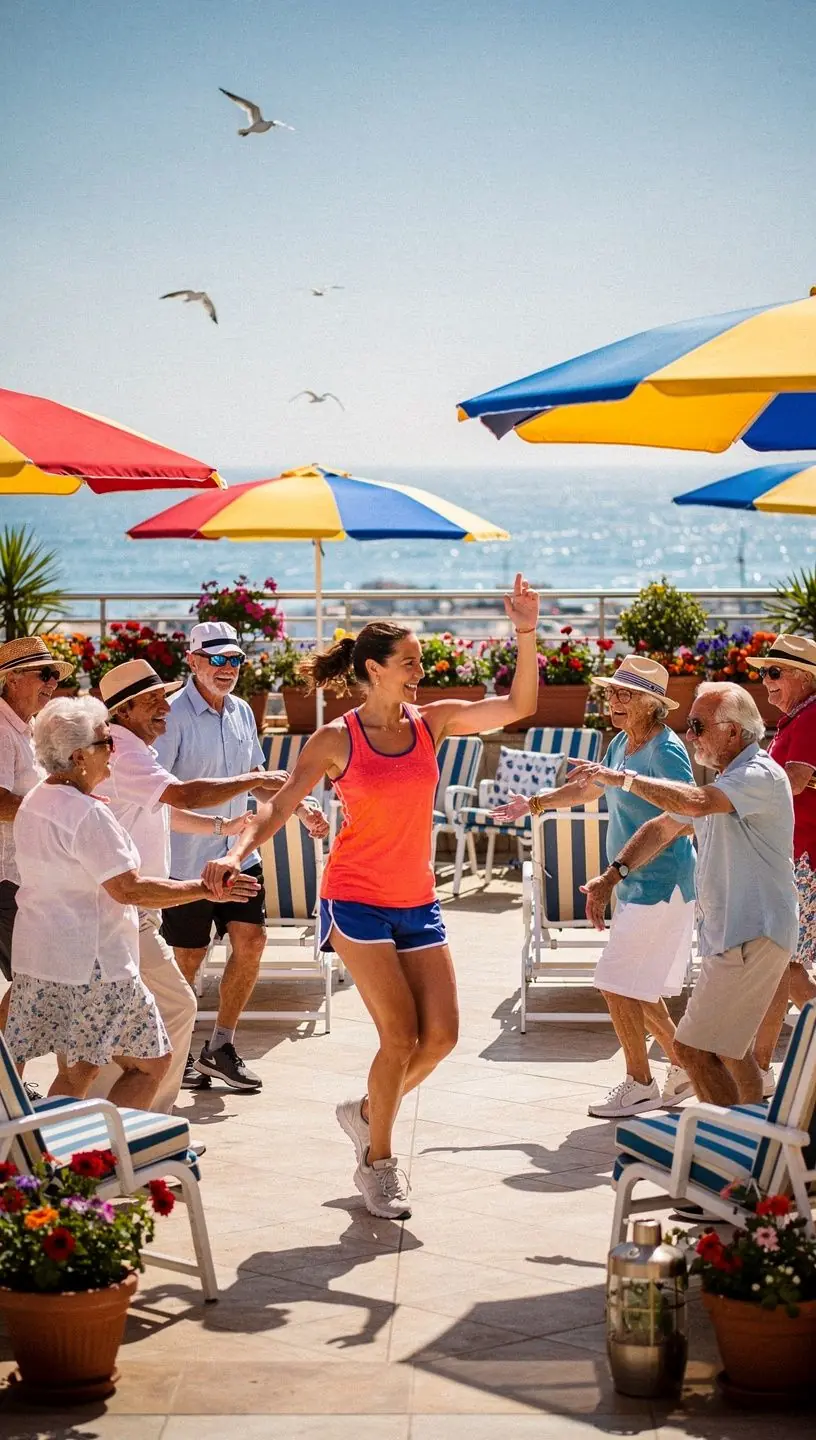
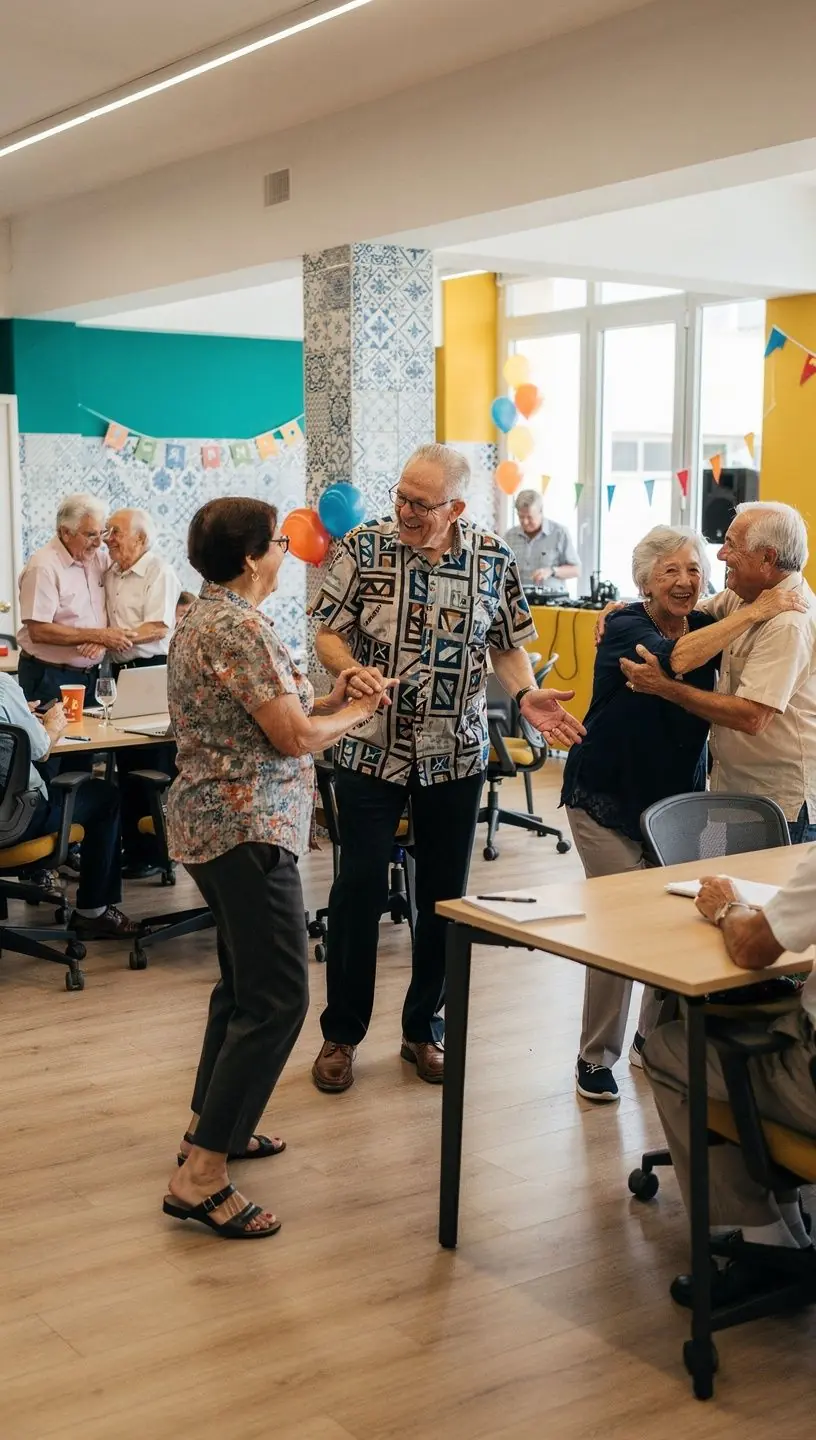
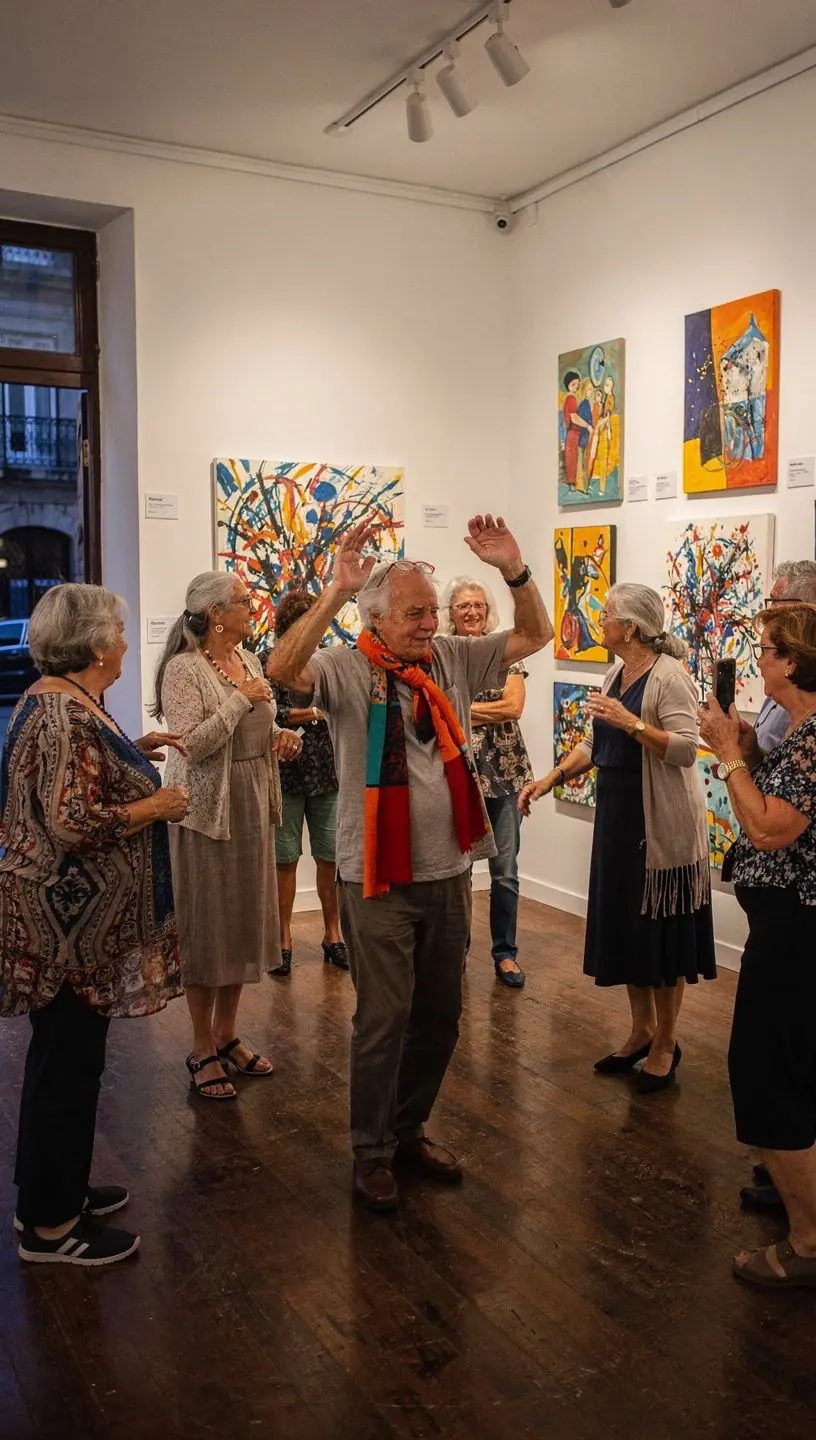
Exploring Different Dance Styles for Active Aging
Dancing is not just a fun activity; it is a powerful tool for promoting physical and mental well-being, especially for older adults. As we age, engaging in social and physical activities like dance can help maintain mobility, balance, and cognitive function. In this article, we will explore various dance styles suitable for active aging, highlighting their benefits and how they can enhance your quality of life.
Understanding the Benefits of Dance for Older Adults
According to research published in the Journal of Aging and Physical Activity, participating in dance can significantly improve balance and coordination in older adults. This is crucial as falls are one of the leading causes of injury among seniors. Additionally, dance classes offer social interaction, which has been shown to combat loneliness and boost emotional health. Experts recommend engaging in regular physical activity like dance to enhance both physical and mental well-being.
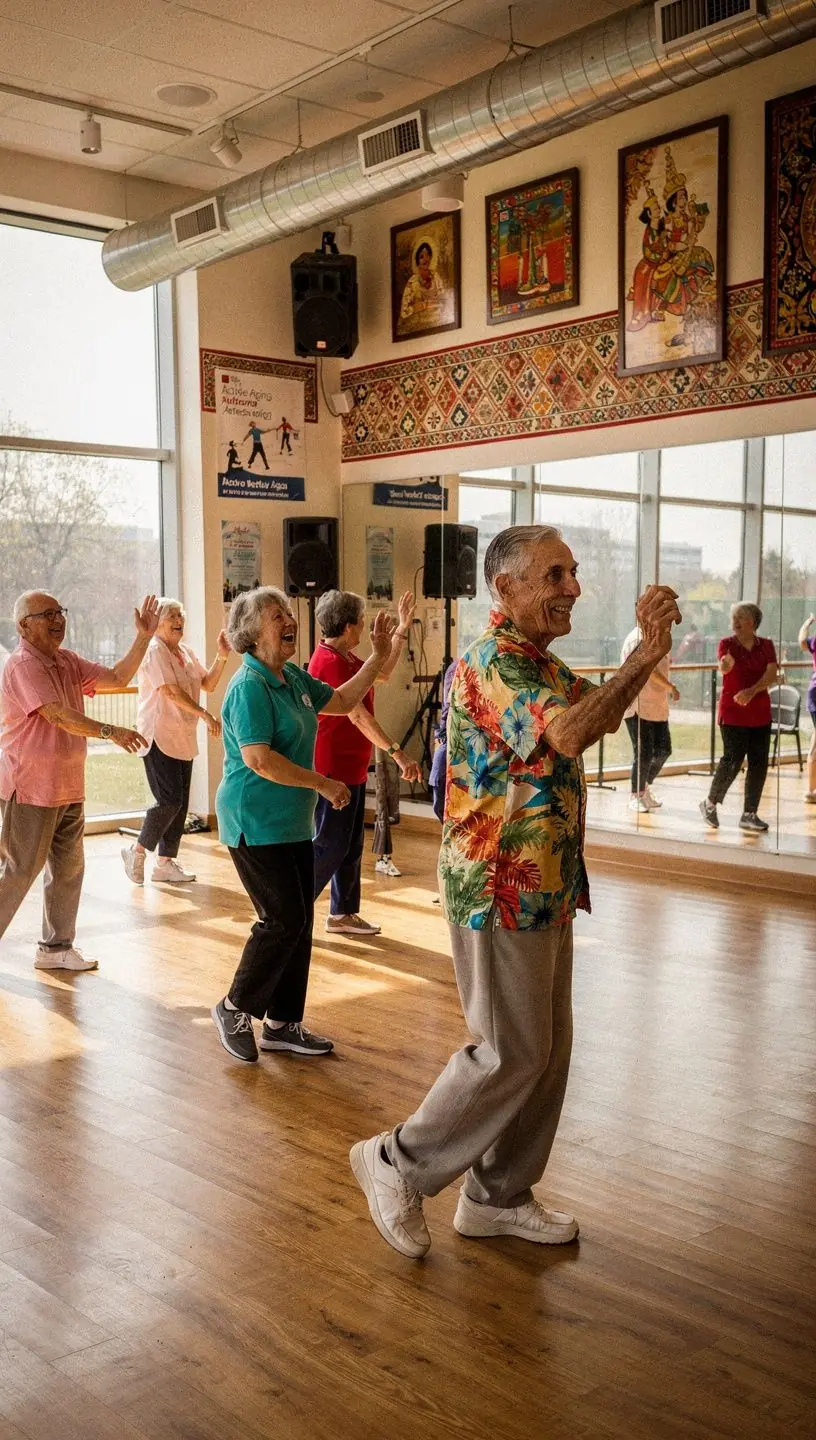
"Dance is a unique form of exercise that combines physical movement, social interaction, and artistic expression, making it particularly beneficial for older adults." - Dr. Sarah Thompson, Geriatric Health Specialist
Popular Dance Styles for Active Aging
Here are some popular dance styles that can be especially beneficial for older adults:
- Ballroom Dancing: This style, which includes dances such as the waltz and foxtrot, promotes excellent posture and balance. Many seniors find ballroom dancing to be a great way to connect with a partner and enjoy a social setting.
- Line Dancing: Line dancing is a fun group activity that requires no partner and is often set to upbeat music. It can help improve coordination and rhythm while providing a low-impact workout.
- Salsa: Salsa dancing is not only energetic but also offers a great cardiovascular workout. It encourages quick movements and can help improve agility.
- Folk Dancing: This style often involves simple steps and community participation, making it an excellent option for those who enjoy a more relaxed atmosphere.
How to Get Started
Starting a dance program as part of your active aging journey typically involves a few key steps:
- Choose the Right Style: Consider your interests and physical capabilities. Some dances may be more suited for your current fitness level than others.
- Find a Class: Look for local dance studios or community centers that offer classes specifically designed for older adults. Engaging in a group setting can enhance the social benefits of dancing.
- Commit to Regular Practice: Regular attendance is essential. Studies suggest that consistent practice can lead to improvements in physical fitness and emotional health, typically noticeable within a few weeks.
Setting Realistic Expectations
While many users report positive experiences with dance, it is important to acknowledge that results can vary. Improvements in flexibility, balance, and even social connections may take time and effort. For optimal results, a commitment to participation—often requiring 2-4 hours per week—is advisable.
Conclusion
Incorporating dance into your active aging routine can promote both physical fitness and social well-being. By exploring different dance styles, you can find an enjoyable way to stay active, meet new people, and enhance your quality of life. Remember to approach your dance journey with patience and commitment, as meaningful changes often take time.