Understanding the Connection Between Dance and Emotional Well-being
As our bodies age, maintaining emotional well-being becomes increasingly essential. Dance, a joyful and social activity, can play a significant role in promoting mental health and emotional resilience. This article explores the connection between dance and emotional well-being, supported by research and expert recommendations.
Understanding the Basics
According to research, engaging in dance can provide a variety of mental health benefits, particularly for older adults. Studies show that dance not only encourages physical activity but also enhances cognitive function and emotional health. Experts in mental health recommend incorporating regular dance sessions into one's routine to foster emotional resilience and improve overall well-being.
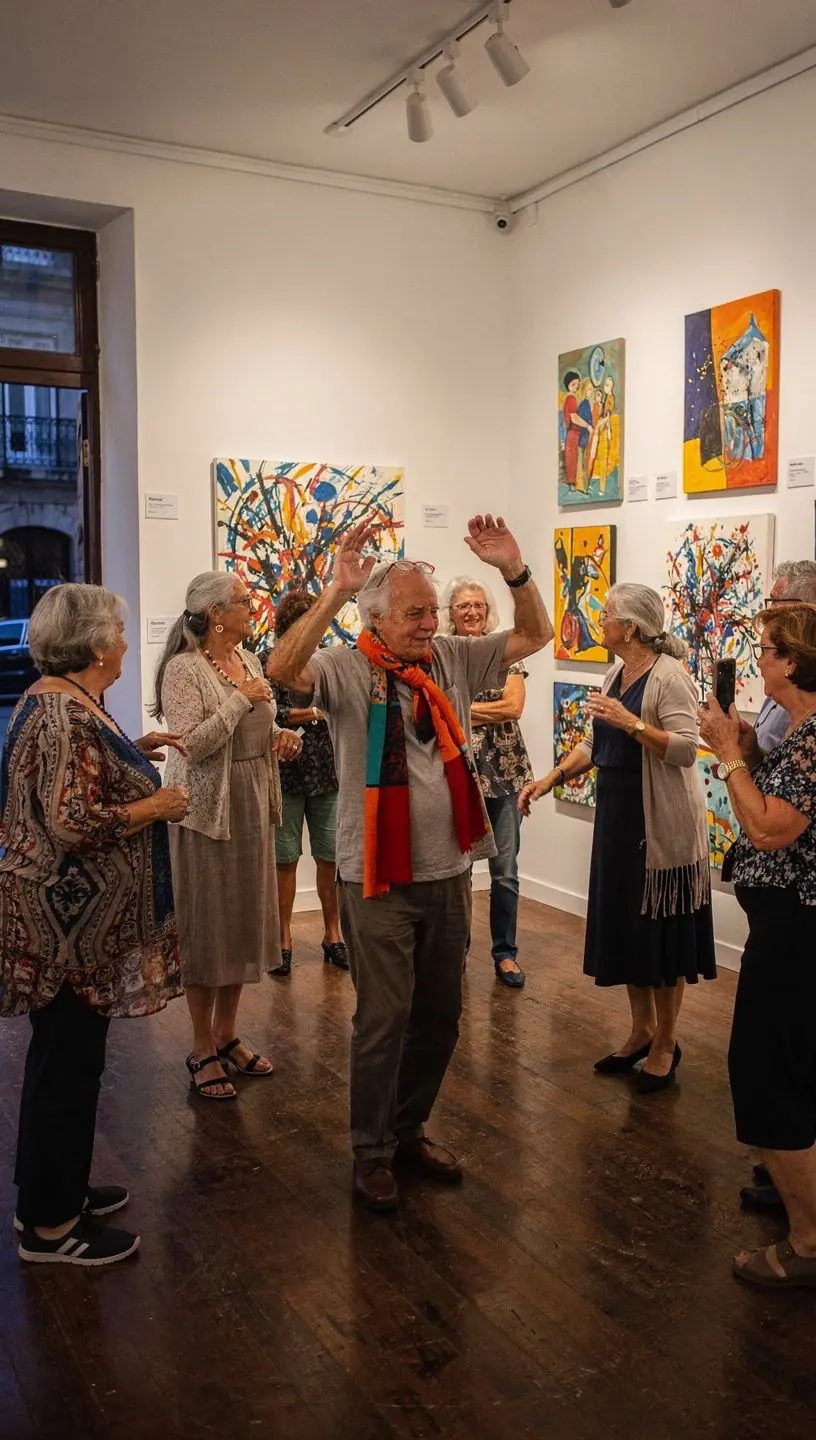
"Dance can be a powerful tool for enhancing emotional well-being, offering both social connection and physical activity." - Dr. Jane Roberts, Psychologist
How Dance Affects Emotional Well-being
The connection between dance and emotional well-being can be attributed to several factors:
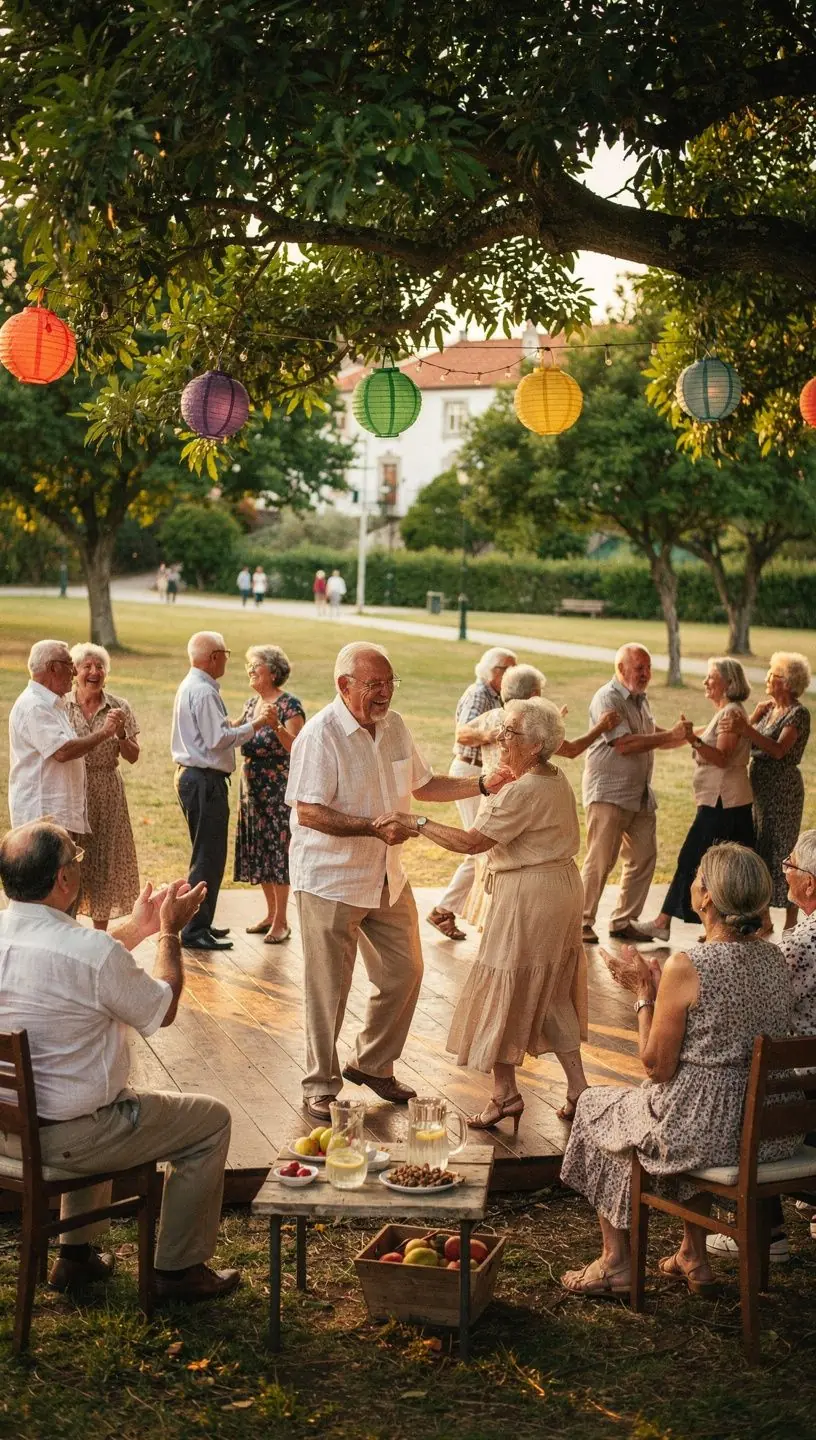
- Social Interaction: Many users report that group dance classes or social dance gatherings provide a sense of community and belonging, which is vital for emotional health. Participating in group activities can reduce feelings of loneliness and isolation.
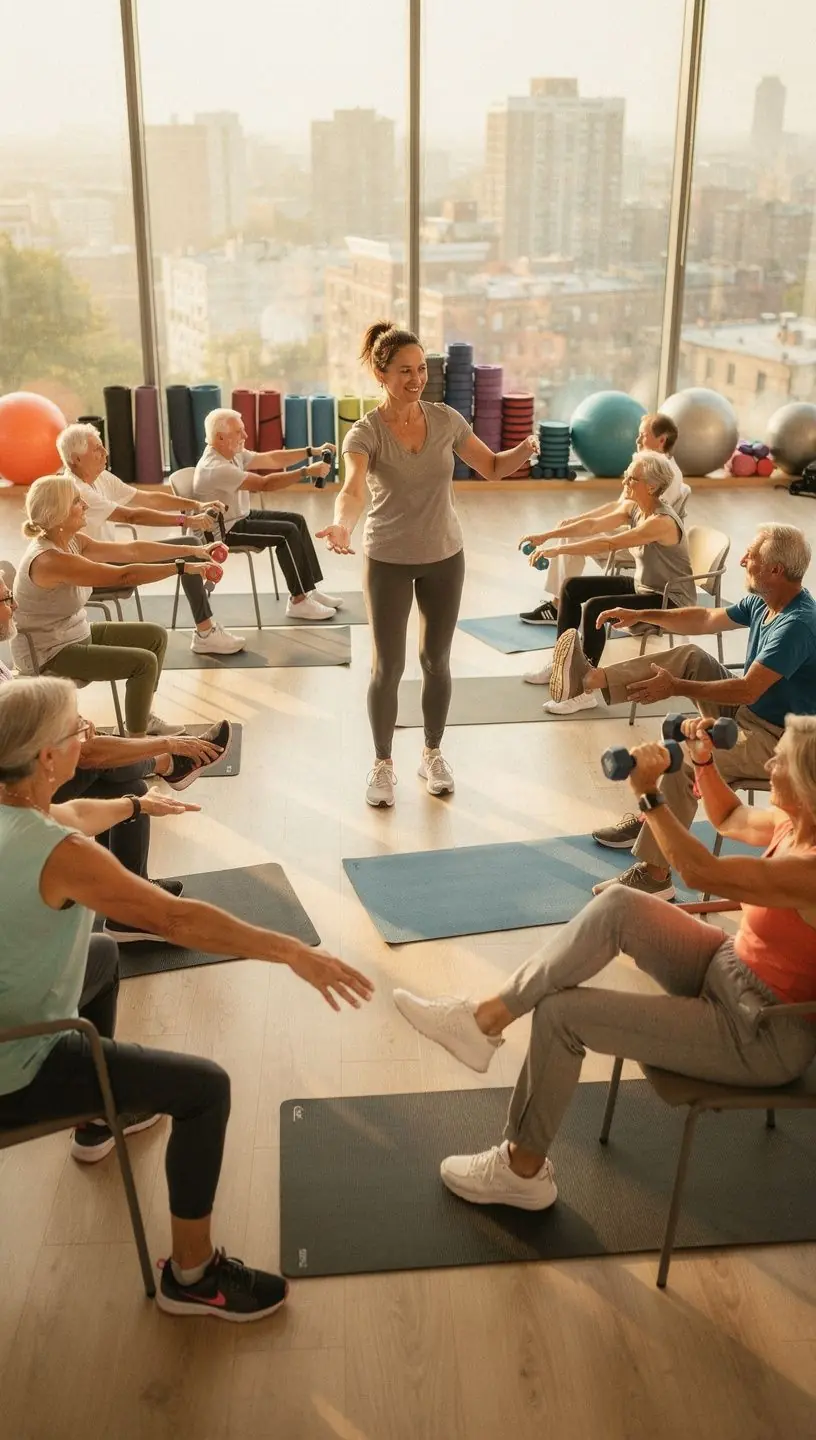
- Physical Activity: Regular dance practice typically leads to increased physical activity, which is known to release endorphins, the body's natural mood lifters. This can significantly improve one’s mood and reduce symptoms of anxiety and depression.
- Cognitive Engagement: Learning new dance routines requires mental effort and memory, which can help keep the mind sharp. Research indicates that cognitive engagement through dance may lower the risk of cognitive decline as we age.
Practical Application
To incorporate dance into your routine effectively, consider the following points:
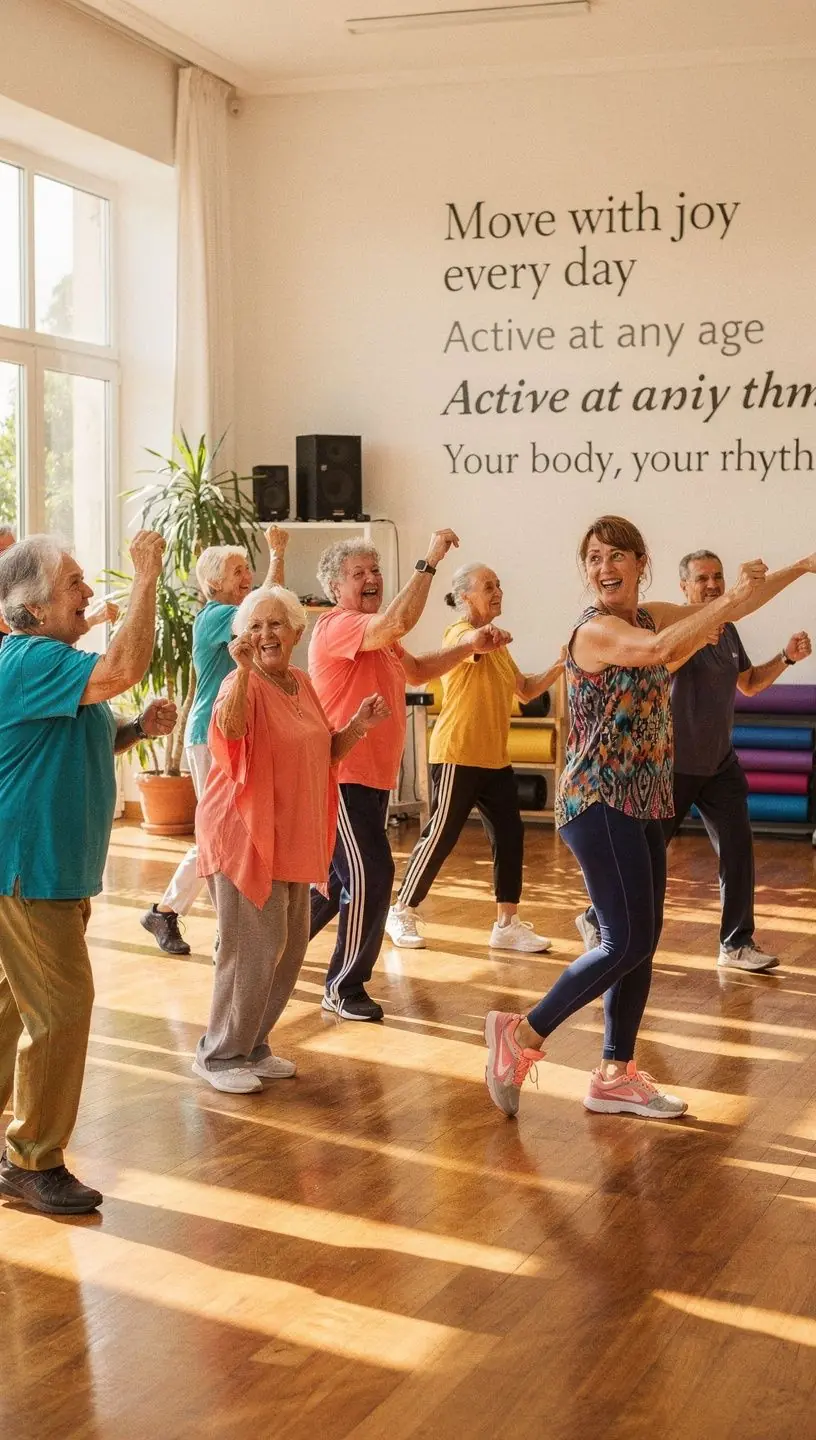
- Start Small: Join a local dance class or attend a social dance gathering once a week. Consistency is key, and results may typically appear within a few weeks.
- Set Realistic Goals: Dancing for just 30 minutes a few times a week can lead to noticeable improvements in mood and emotional well-being over time. This approach requires dedication but can be very rewarding.
- Choose Enjoyable Styles: Whether it’s salsa, ballroom, or line dancing, pick styles that resonate with you. Enjoyment is crucial, as positive experiences will encourage you to continue dancing.
Acknowledging Limitations
While dance can significantly benefit emotional health, it is important to acknowledge that:
- Results may vary; dance may not be suitable for everyone. Individuals with certain physical limitations should consult with a healthcare professional before participating in dance activities.
- It typically requires an initial time commitment to learn the basics, and some may find the learning curve challenging. However, many find that the social benefits far outweigh the initial effort.
Conclusion
In summary, incorporating dance into your lifestyle can be an effective approach to enhancing emotional well-being, particularly for older adults. By participating in dance classes or social gatherings, individuals can experience increased sociability, improved mood, and cognitive engagement. Remember, the journey of integrating dance into your life is personal, and while it may require commitment, the potential emotional benefits are well worth it.