The Importance of Community in Active Aging Programs
As we age, the need for social connections and supportive communities becomes increasingly vital. Active aging programs, particularly those that incorporate social dance gatherings, demonstrate the crucial role that community plays in enhancing the quality of life for older adults.
Understanding the Benefits of Community
Community engagement can significantly impact older adults' mental and emotional well-being. According to research by the National Institute on Aging, social interaction is linked to better health outcomes, including lower rates of depression and anxiety. When individuals participate in community-driven activities, they often experience a renewed sense of purpose and belonging.
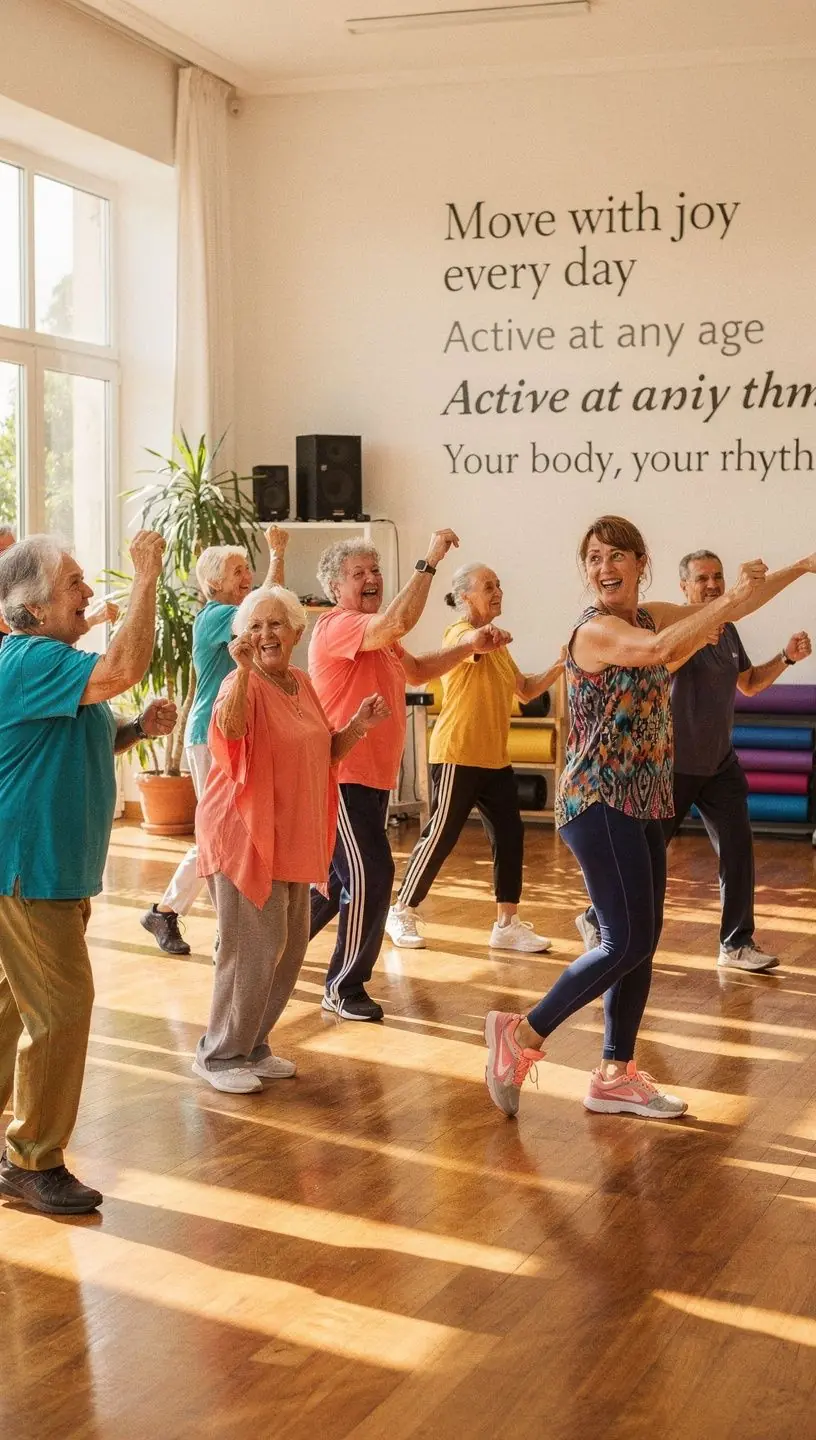
"Communities provide a sense of belonging that enhances both mental and physical health in older adults." - National Institute on Aging
Active Aging Programs: A Community-Centric Approach
Active aging programs typically focus on promoting health, wellness, and engagement among older adults through various activities. These programs often include:
- Adaptation Programs: Tailored sessions that help older adults adjust to physical changes while encouraging participation in physical activities.
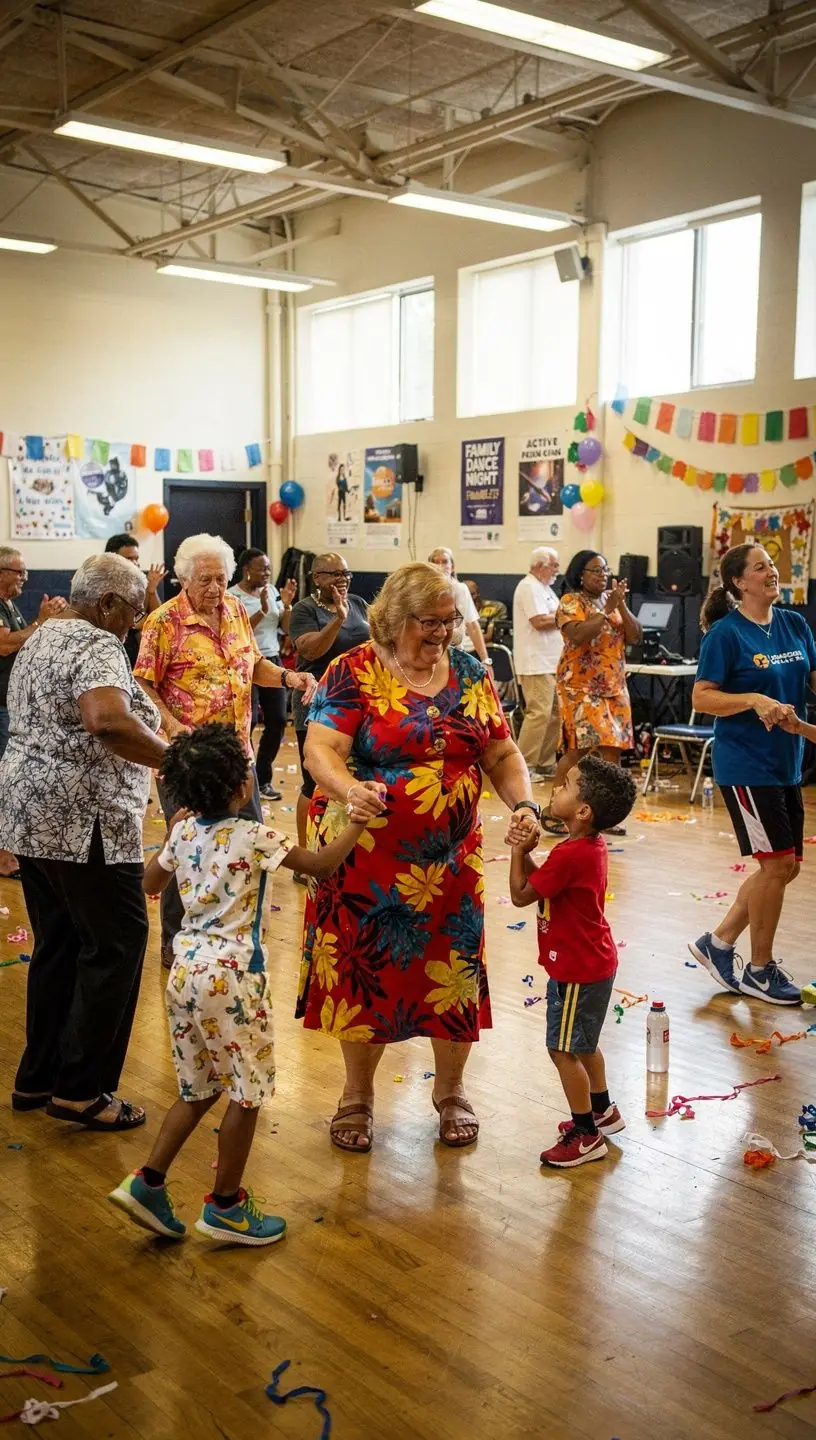
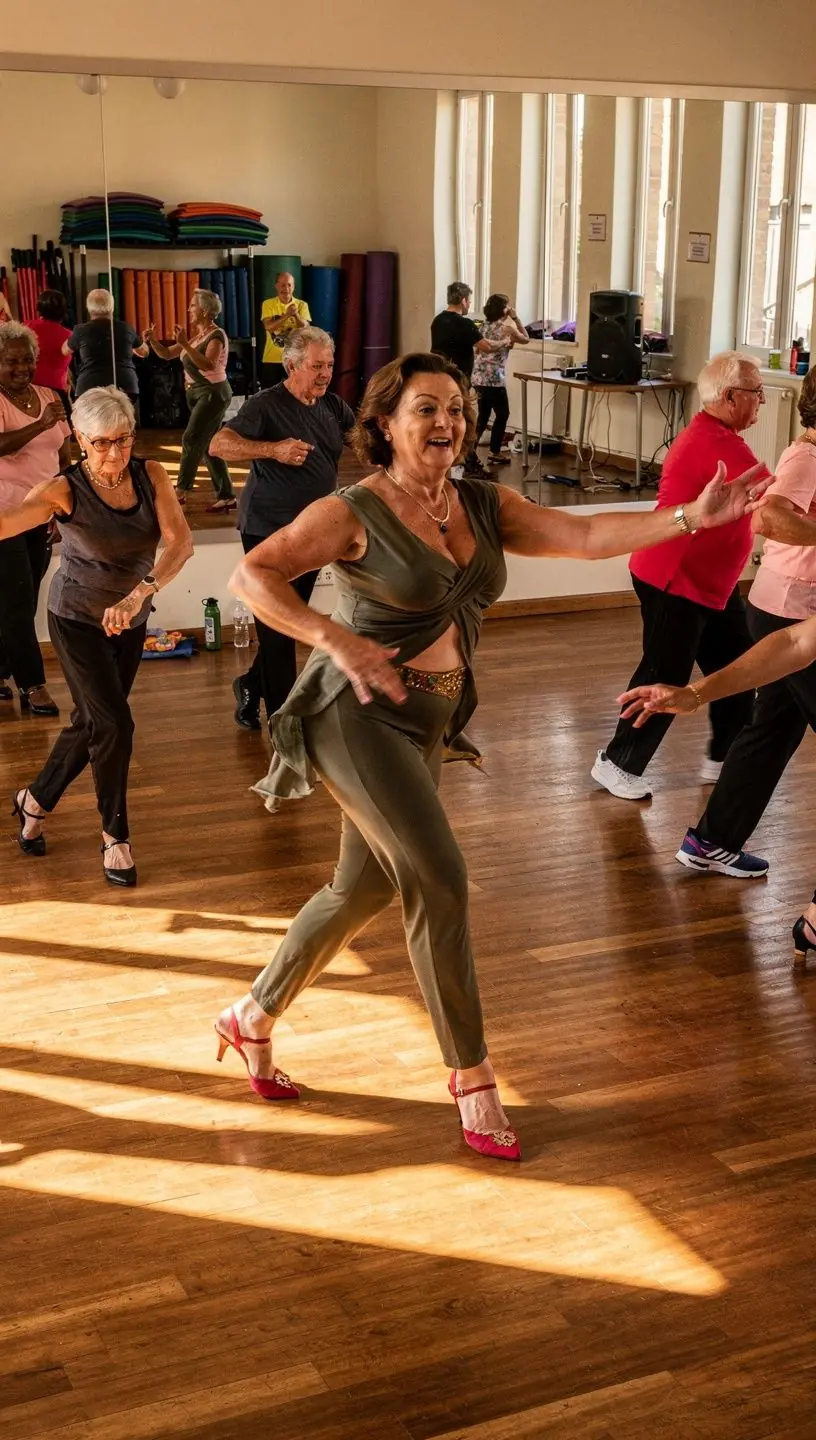
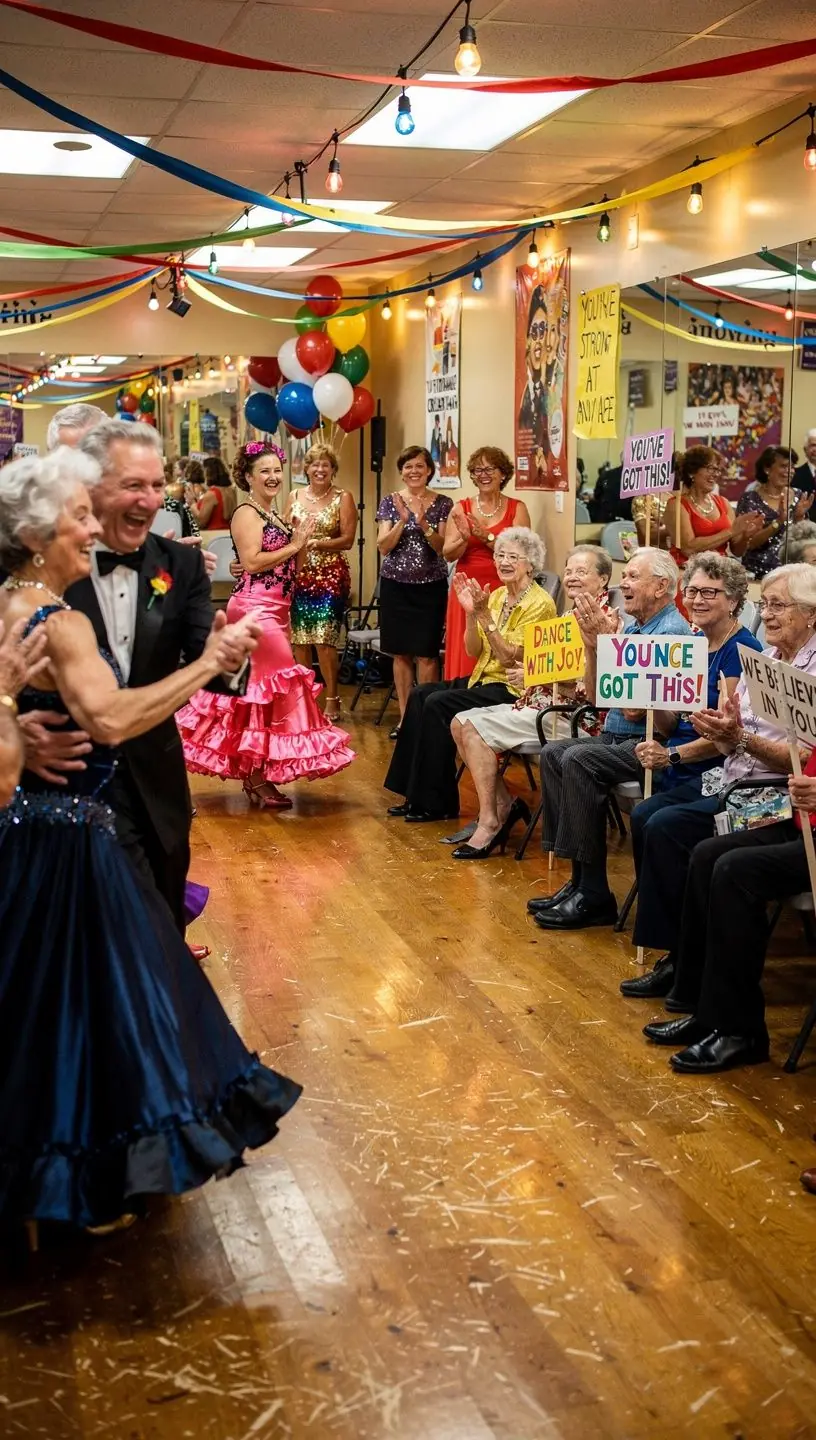
- Social Dance Gatherings: Weekly events that foster socialization and physical engagement, providing an enjoyable platform for exercise.
- Workshops and Classes: Educational opportunities that empower seniors to learn new skills and meet others with similar interests.
Why Community Matters in Active Aging
Studies show that participation in community activities can enhance cognitive function and increase the overall quality of life for seniors. Engaging in social dance, for instance, not only offers a fun way to stay active but also encourages interpersonal connections.
This works because physical activity stimulates the release of endorphins, which can elevate mood and reduce feelings of loneliness. Moreover, the collaborative nature of dance often leads to friendships that can last, creating support networks that enrich participants' lives.
Challenges and Considerations
While community participation has numerous benefits, it is essential to acknowledge some limitations. Joining new activities can require a time commitment and may involve a learning curve. For seniors, attending social gatherings typically requires prior knowledge of the dance styles or willingness to learn. In many cases, those who are less active may initially feel intimidated or unsure.
Experts recommend starting with smaller, more familiar gatherings to build confidence. Additionally, incorporating gentle activities such as chair dancing can provide a comfortable introduction to social dance.
Conclusion
In summary, the role of community in active aging programs is vital for promoting both physical and mental health among older adults. By engaging in community-centric activities like adaptation programs and social dance gatherings, seniors can experience enhanced well-being and social connections. As we support active aging, it’s crucial to create accessible environments where older individuals feel welcomed and valued. Through community, we can empower our seniors to thrive.
Learn More