The Impact of Rhythm and Music on Aging Minds
As we age, maintaining cognitive function and emotional well-being becomes increasingly important. Recent research suggests that engaging with rhythm and music can play a significant role in promoting mental health among older adults. In this article, we will explore how music affects the aging mind, the potential benefits of rhythm-based activities, and practical ways to incorporate music into daily life.
Understanding the Connection Between Music and the Brain
According to studies conducted by neuroscience experts, music has a profound effect on the brain, particularly in older adults. Research indicates that listening to music can stimulate brain areas associated with emotion, memory, and even motor functions. This is partly because music activates both hemispheres of the brain, which can enhance cognitive abilities and emotional expression.
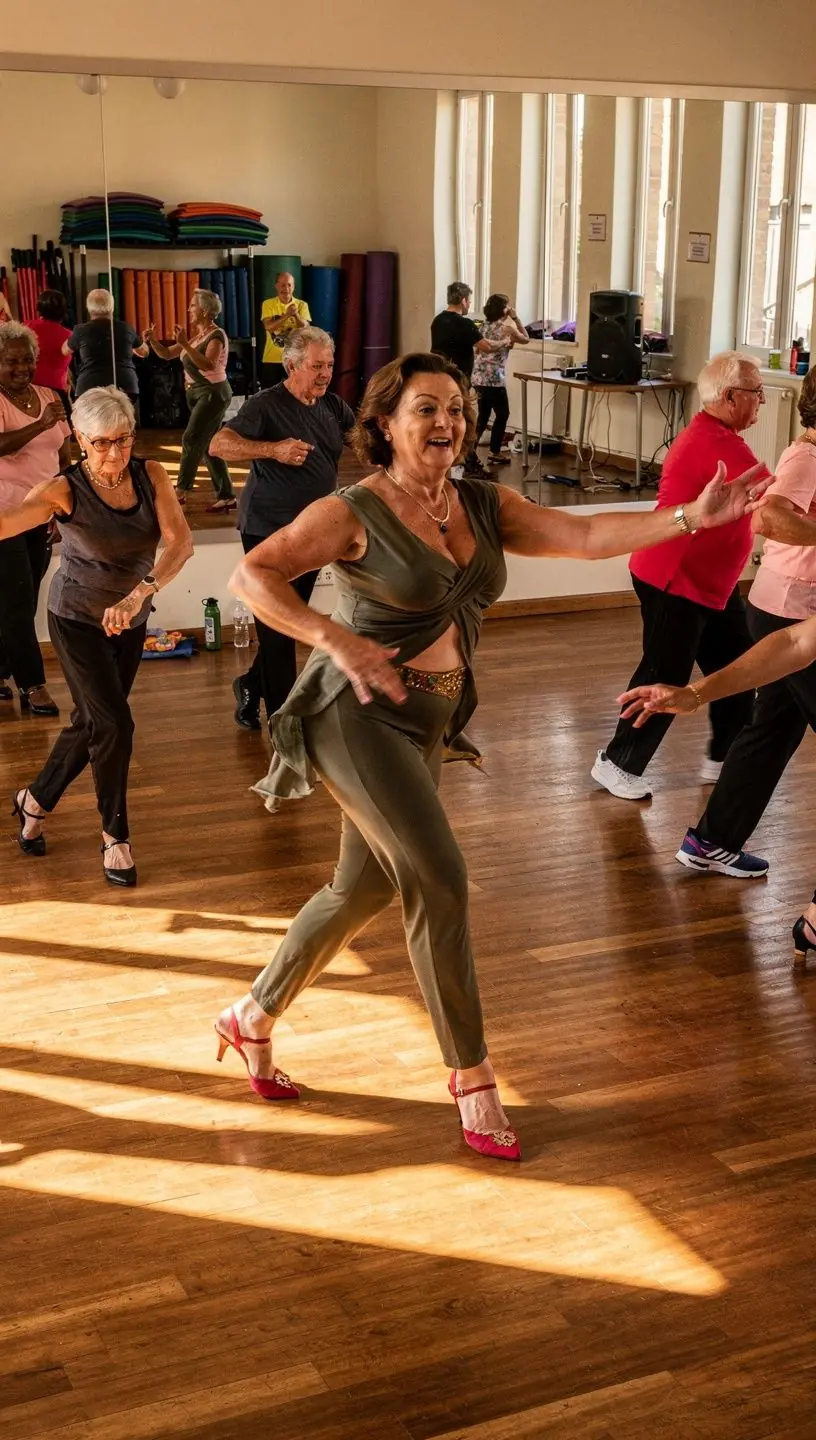
"Engaging with music not only enhances mental functions but also fosters a sense of community and belonging among older adults."
Benefits of Rhythm and Music in Active Aging
Engaging with rhythm and music can provide several cognitive and emotional benefits for older adults:
- Improved Cognitive Function: Research shows that active participation in musical activities, such as dancing or singing, can enhance memory and attention span. This is particularly effective for those experiencing mild cognitive decline.
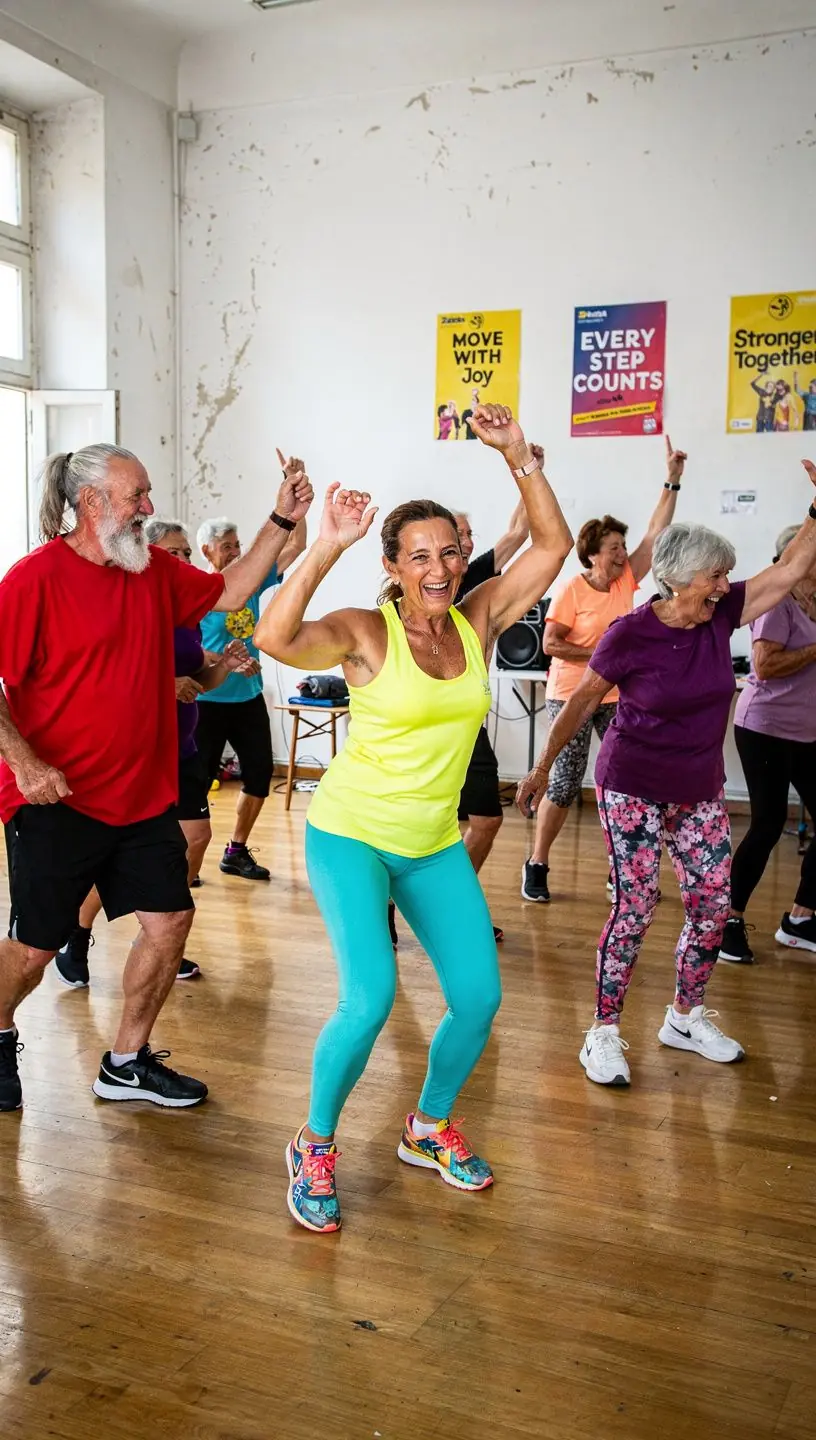
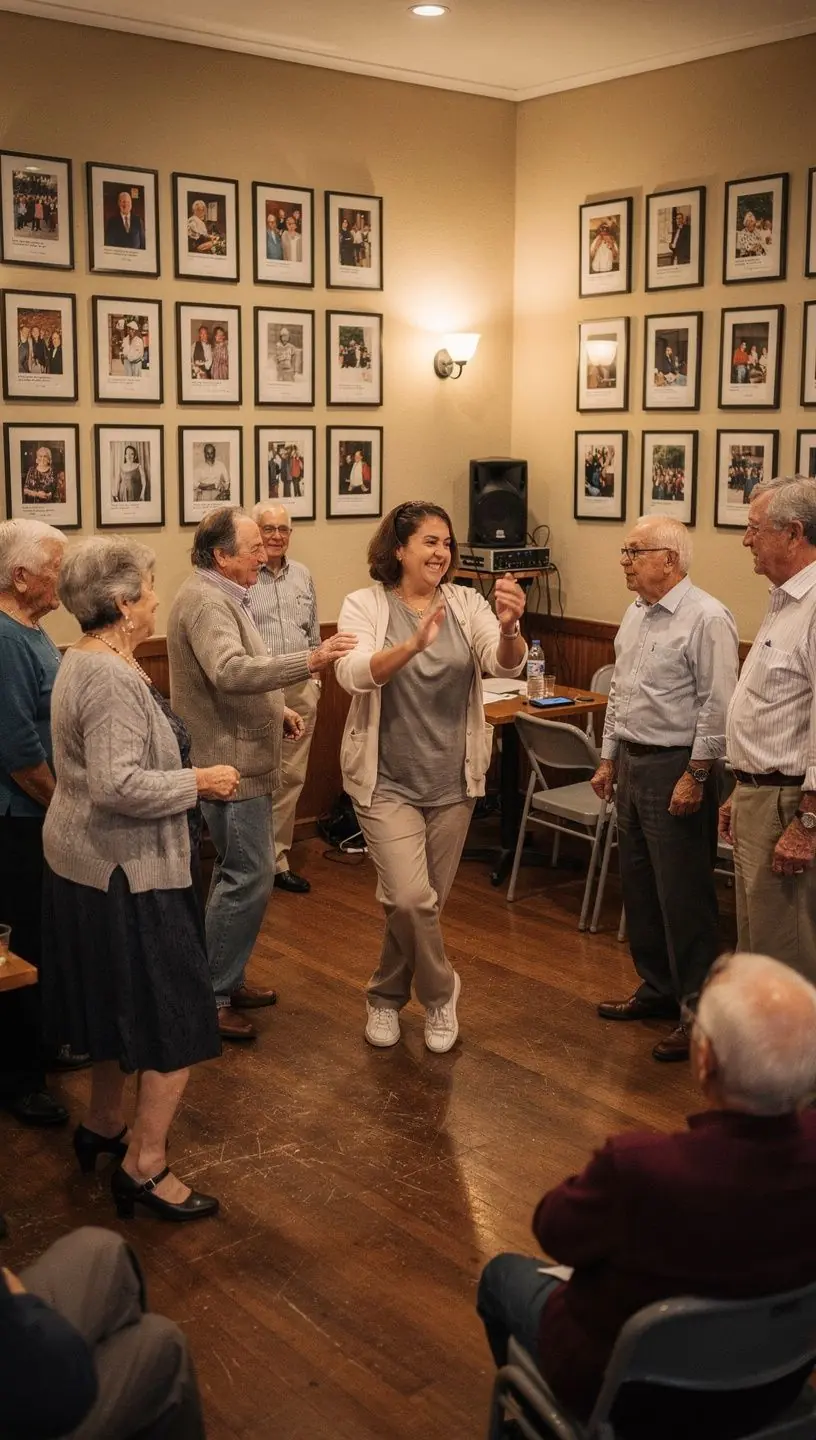
- Emotional Well-being: Many users report that listening to their favorite tunes or participating in group dance activities often leads to increased feelings of joy and connectedness. Music can evoke powerful emotions, helping to combat feelings of loneliness and depression.
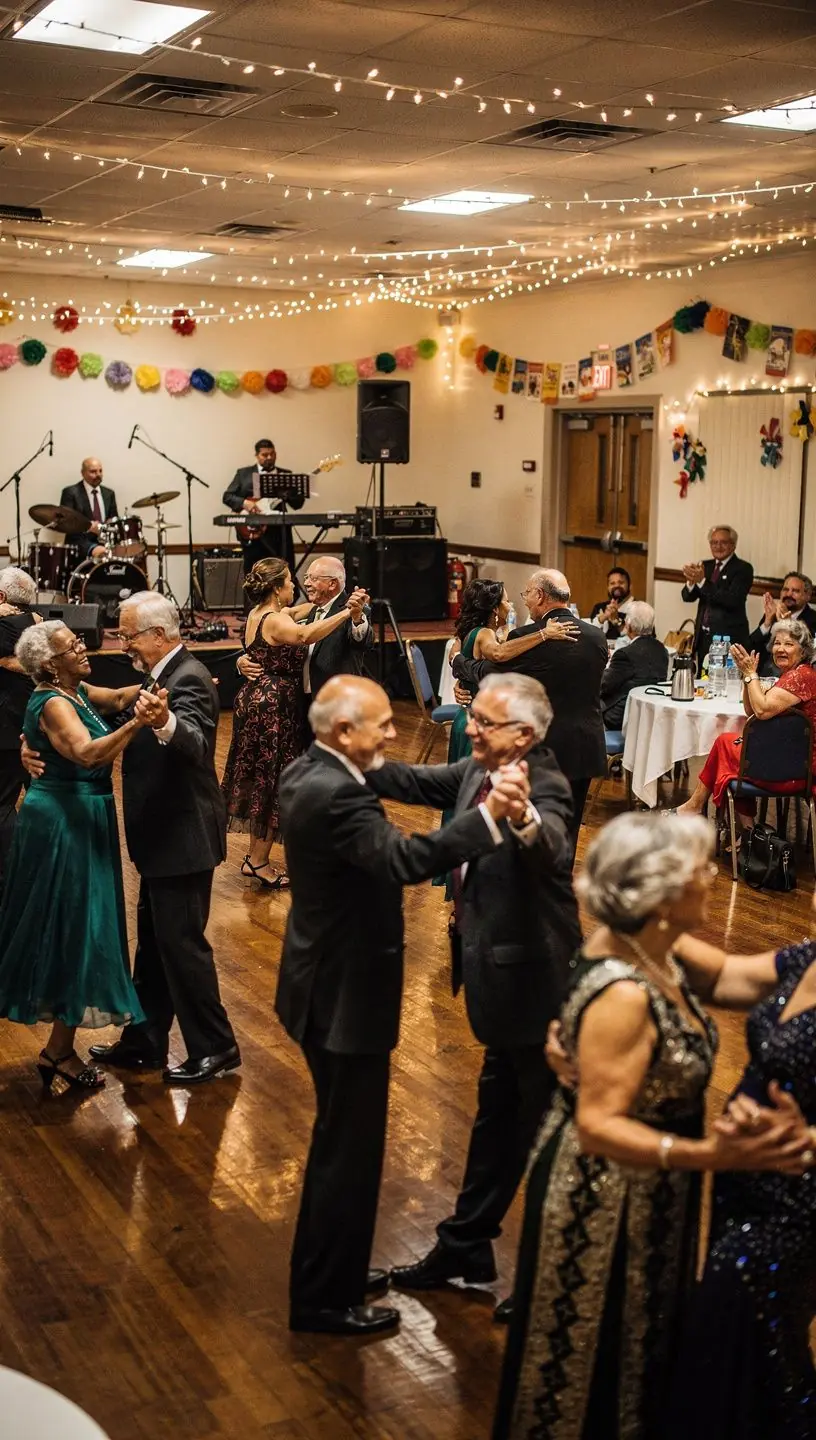
- Physical Coordination: Engaging in social dance gatherings can help improve balance and coordination, which are essential for maintaining physical independence as we age. Studies suggest that rhythm-based exercise can reduce the risk of falls among older adults.
How to Incorporate Music into Daily Life
Here are some practical suggestions for integrating music and rhythm into your routine:
- Join a Dance Class: Many active aging coaching studios offer dance classes tailored to older adults. These classes not only provide physical exercise but also foster social connections.
- Create a Personalized Playlist: Curate a selection of songs that resonate with you. Listening to this playlist during daily tasks or while relaxing can enhance your mood and cognitive engagement.
- Practice Rhythm Exercises: Simple rhythmic exercises can be performed at home, such as clapping or tapping along to music. This practice can help improve motor skills while being enjoyable and engaging.
Conclusion
Integrating rhythm and music into daily activities can have meaningful effects on cognitive and emotional health for older adults. By participating in music-based activities, individuals can experience improved mental wellness and foster social connections. However, it is important to note that results may vary based on individual preferences and commitment levels. Typically, engaging consistently over the course of weeks may yield noticeable benefits. As we continue to embrace active aging, rhythm and music can be valuable tools for enhancing quality of life.