Exploring Cultural Dance Traditions in Active Aging
As we journey through the stages of life, finding ways to stay active and socially engaged becomes increasingly important. One effective avenue is through cultural dance traditions, which offer both physical benefits and an opportunity for connection. This article explores how incorporating dance can enhance the experience of active aging.
Understanding the Benefits of Dance for Active Aging
Dance is not just a form of artistic expression; it also serves as a powerful tool for physical and mental well-being. According to research published in the Journal of Aging and Physical Activity, engaging in dance can improve balance, strength, and flexibility in older adults. These physical improvements can reduce the risk of falls, which are a significant concern as we age.
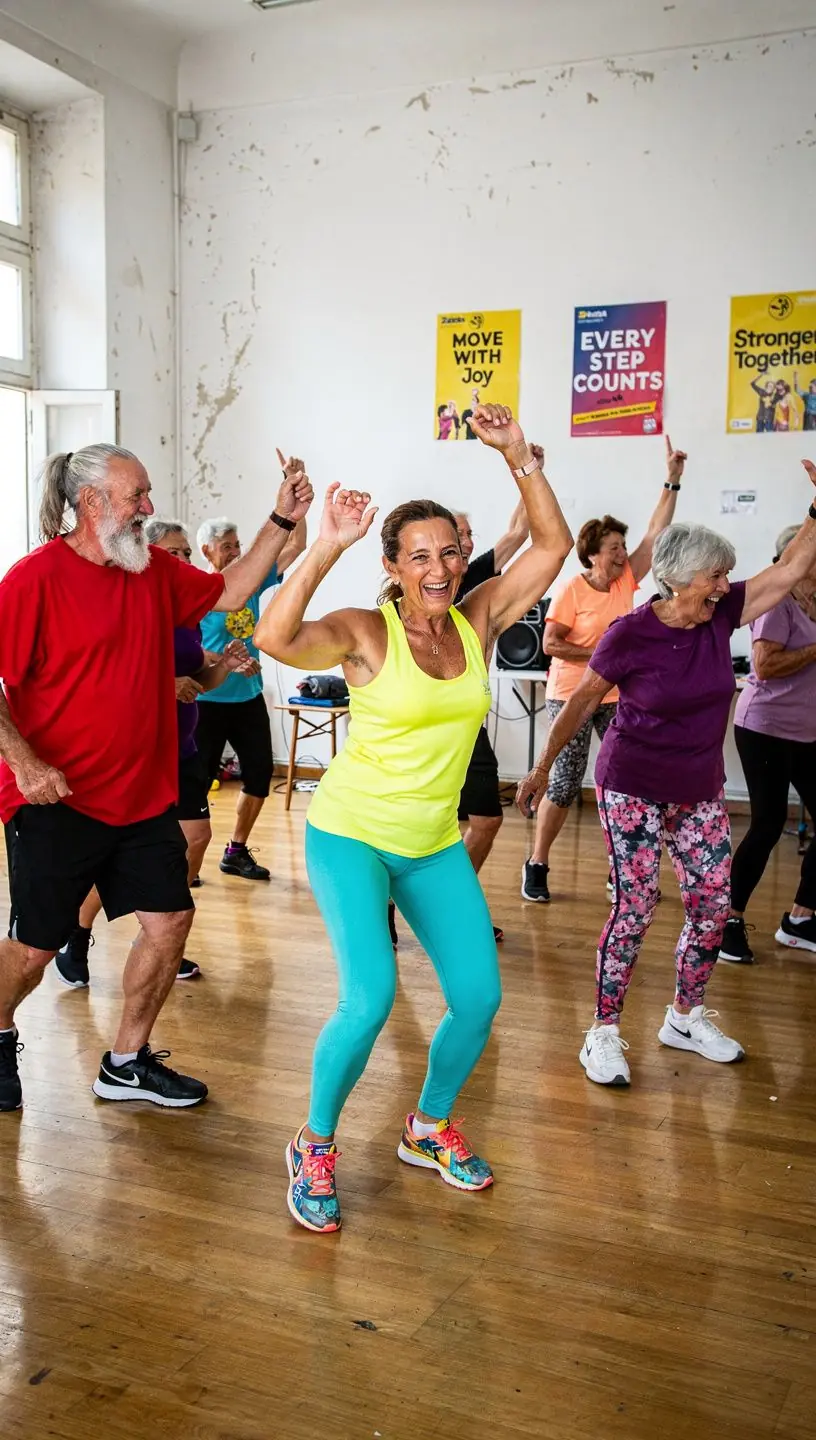
"Dance may help older adults maintain functional abilities, supporting independence and enhancing quality of life."
The Cultural Aspect of Dance
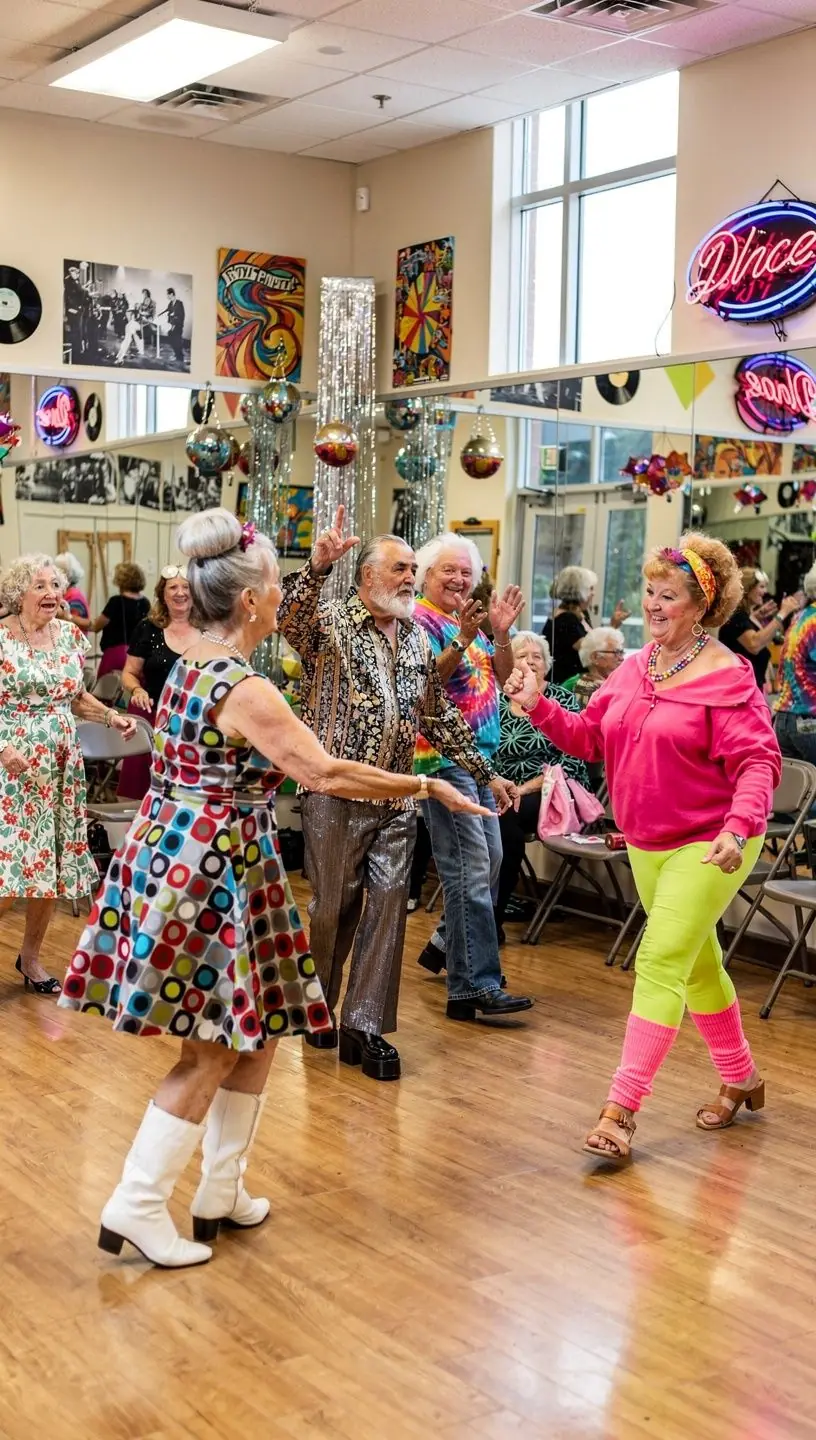
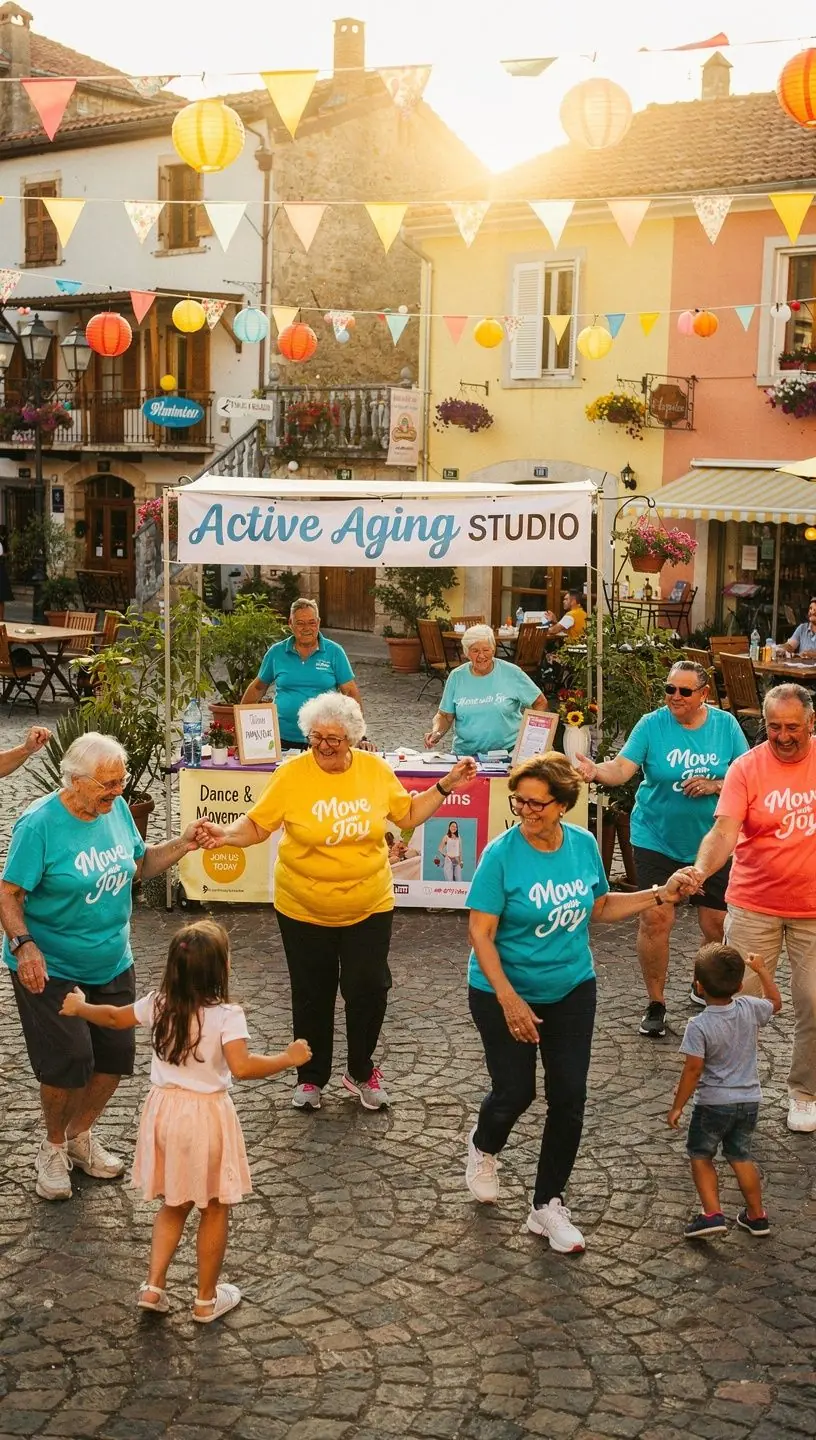
Incorporating cultural dance traditions provides a unique way to connect with one’s heritage while promoting health. Many users report that participating in traditional dances, such as Flamenco in Spain or Folk Dance in Portugal, offers not only physical benefits but also an emotional connection to their culture. Cultural dance can foster a sense of belonging and community, particularly important in the aging population.
How Dance Supports Active Aging
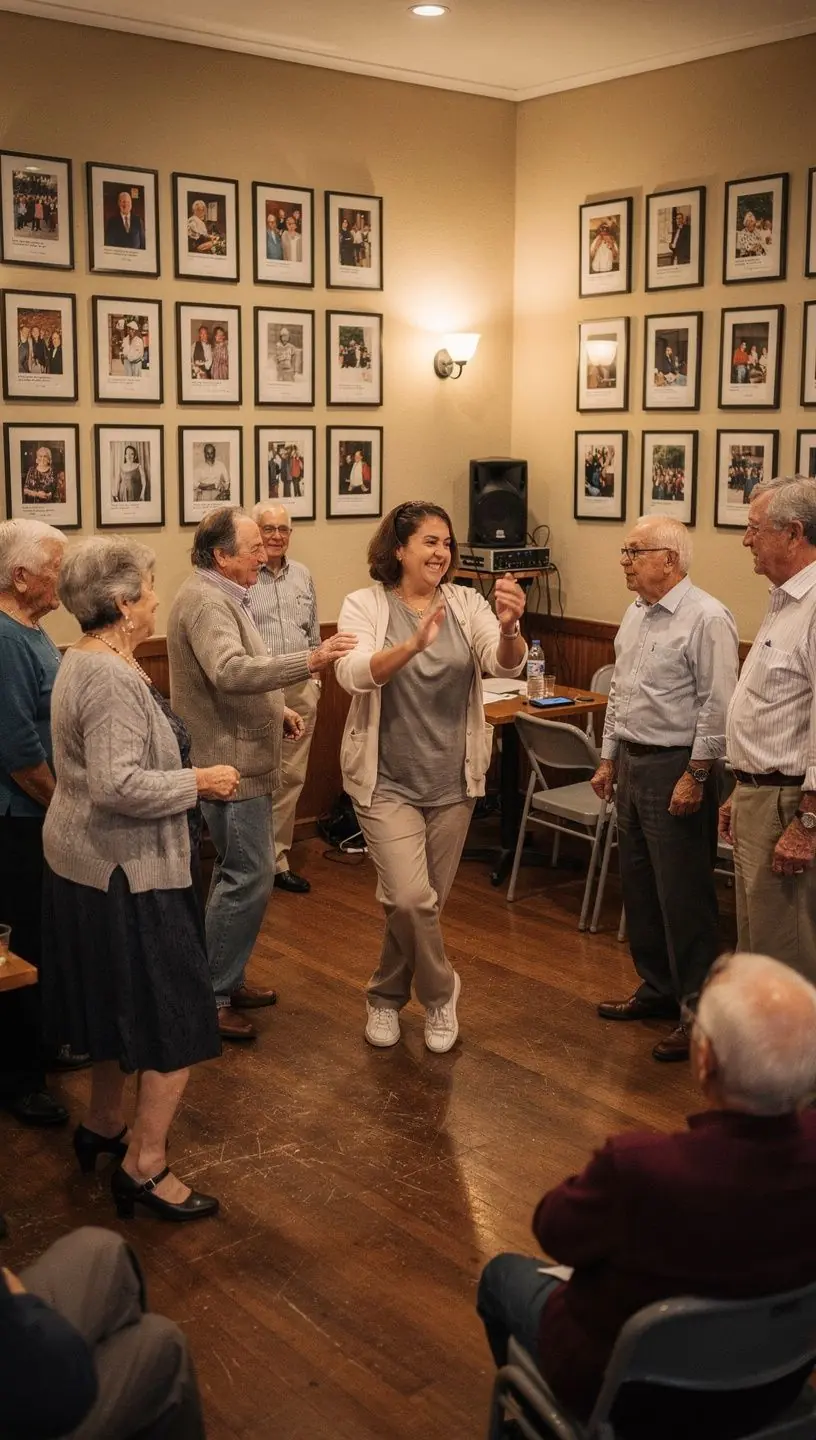
- Social Interaction: Weekly dance gatherings create opportunities for older adults to build social networks. Research indicates that social engagement can reduce feelings of loneliness and depression.
- Cognitive Benefits: Learning new dance routines involves memorization and coordination, which studies show can enhance cognitive function. This is crucial as cognitive decline is a common concern in aging.
- Physical Fitness: Dance routines often require various movements, improving cardiovascular health over time. It is essential to remember that most dance forms require a commitment to regular practice, which typically takes a few weeks to yield noticeable results.
Starting Your Dance Journey
For those new to dance, it is recommended to start with classes that focus on basic steps and techniques. This introductory phase often requires dedication and practice, as learning dance can have a steep learning curve initially. Consider the following steps:
- Find a Local Class: Look for dance studios or community centers that offer classes tailored for older adults. Many facilities provide programs specifically designed for active aging.
- Set Realistic Goals: Understand that progress may be gradual. Setting achievable goals can help maintain motivation and commitment.
- Celebrate Small Wins: Recognizing improvements, even minor ones, can enhance self-esteem and encourage continued participation in dance.
Conclusion
Incorporating cultural dance traditions into an active aging lifestyle can offer a multitude of benefits—from improving physical health to fostering emotional connections. As you consider engaging in dance, remember that the journey is just as important as the destination. Experts recommend that consistency, combined with a positive attitude, can significantly enrich the experience. Whether you are rediscovering a love for dance or trying it for the first time, embracing this art form may lead to a healthier, more connected life.
Learn More