How Regular Dance Practice Affects Physical Health
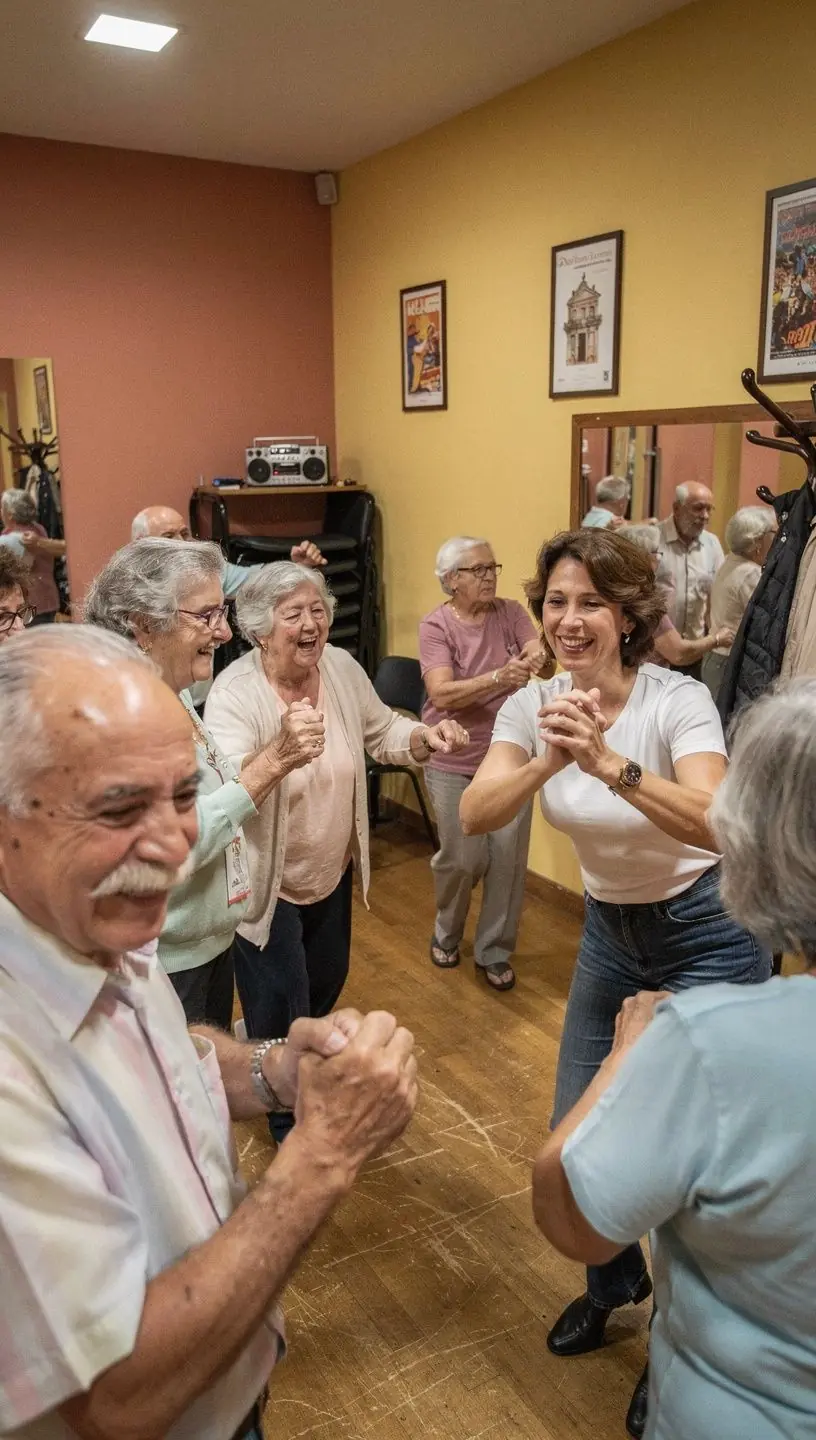
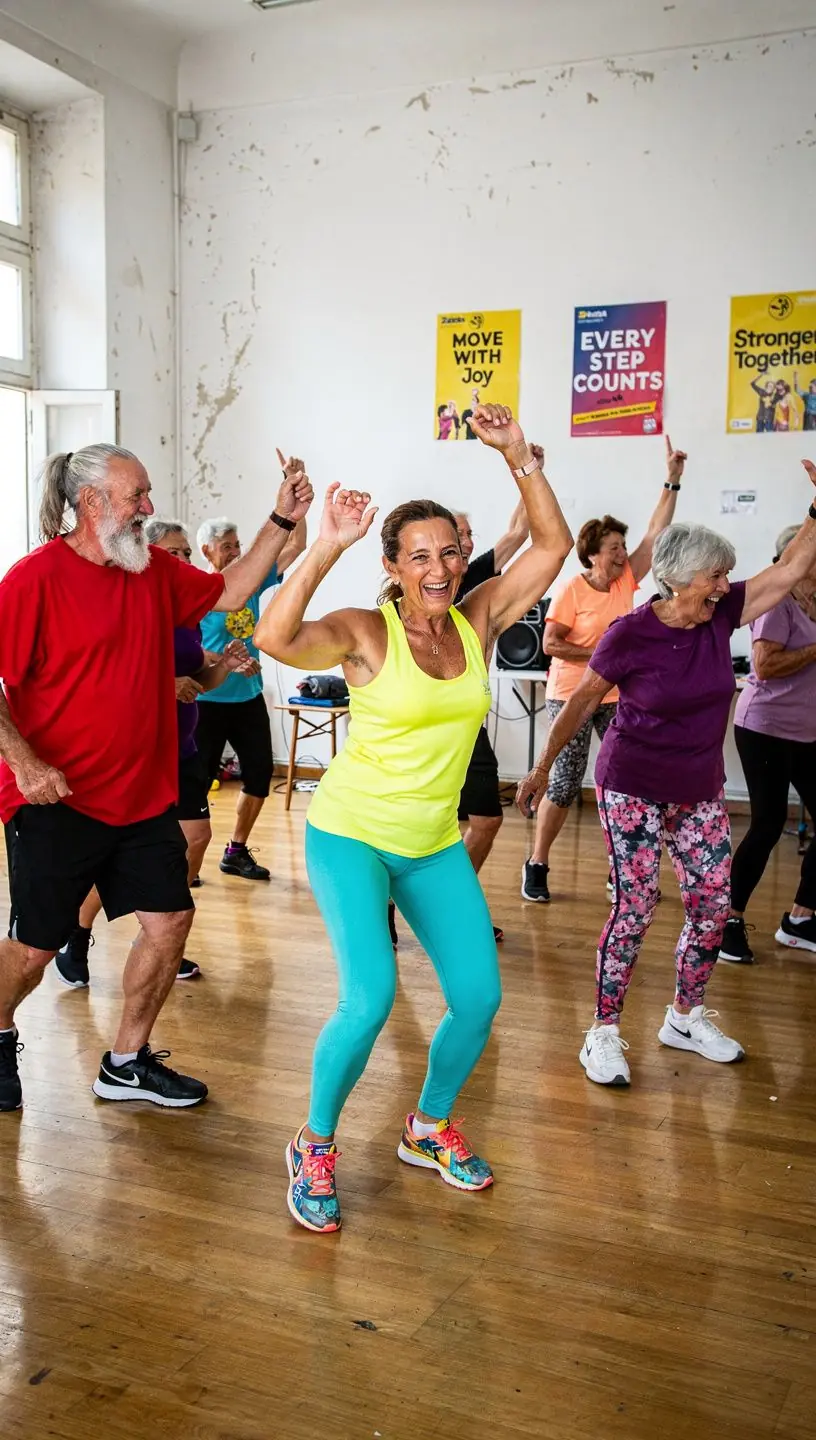
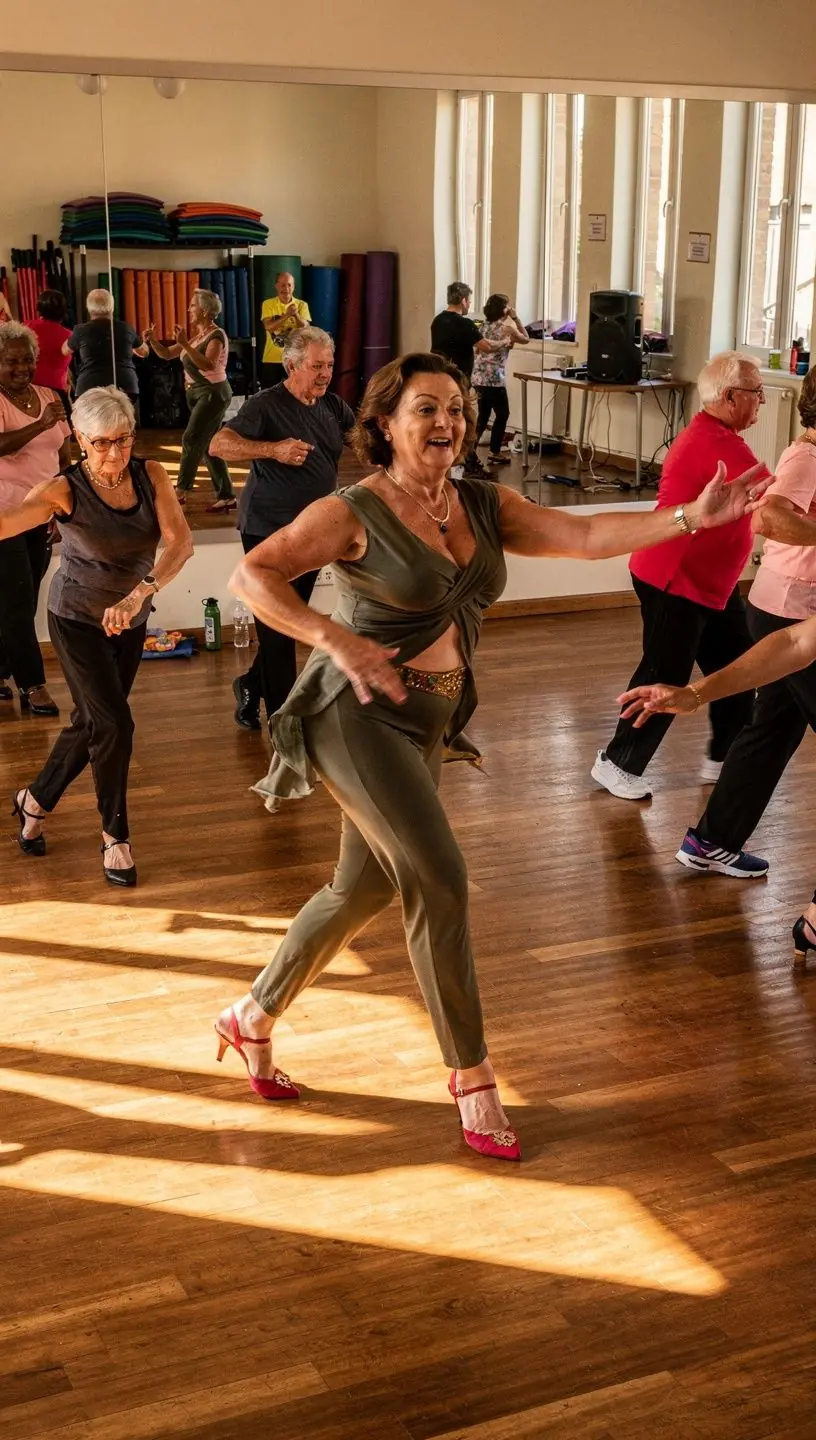
Engaging in regular dance practice can serve as an effective approach to improving physical health, particularly for older adults. Dance not only provides a fun and social outlet but also contributes positively to various aspects of physical well-being.
Understanding the Basics of Dance and Health
According to research, regular physical activity, including dance, is crucial for maintaining and enhancing physical health as we age. The principle behind this is simple: movement increases blood circulation, promotes cardiovascular health, and strengthens muscles and bones. Experts recommend that older adults should engage in at least 150 minutes of moderate-intensity aerobic activity weekly, which can often be effectively achieved through dance classes.
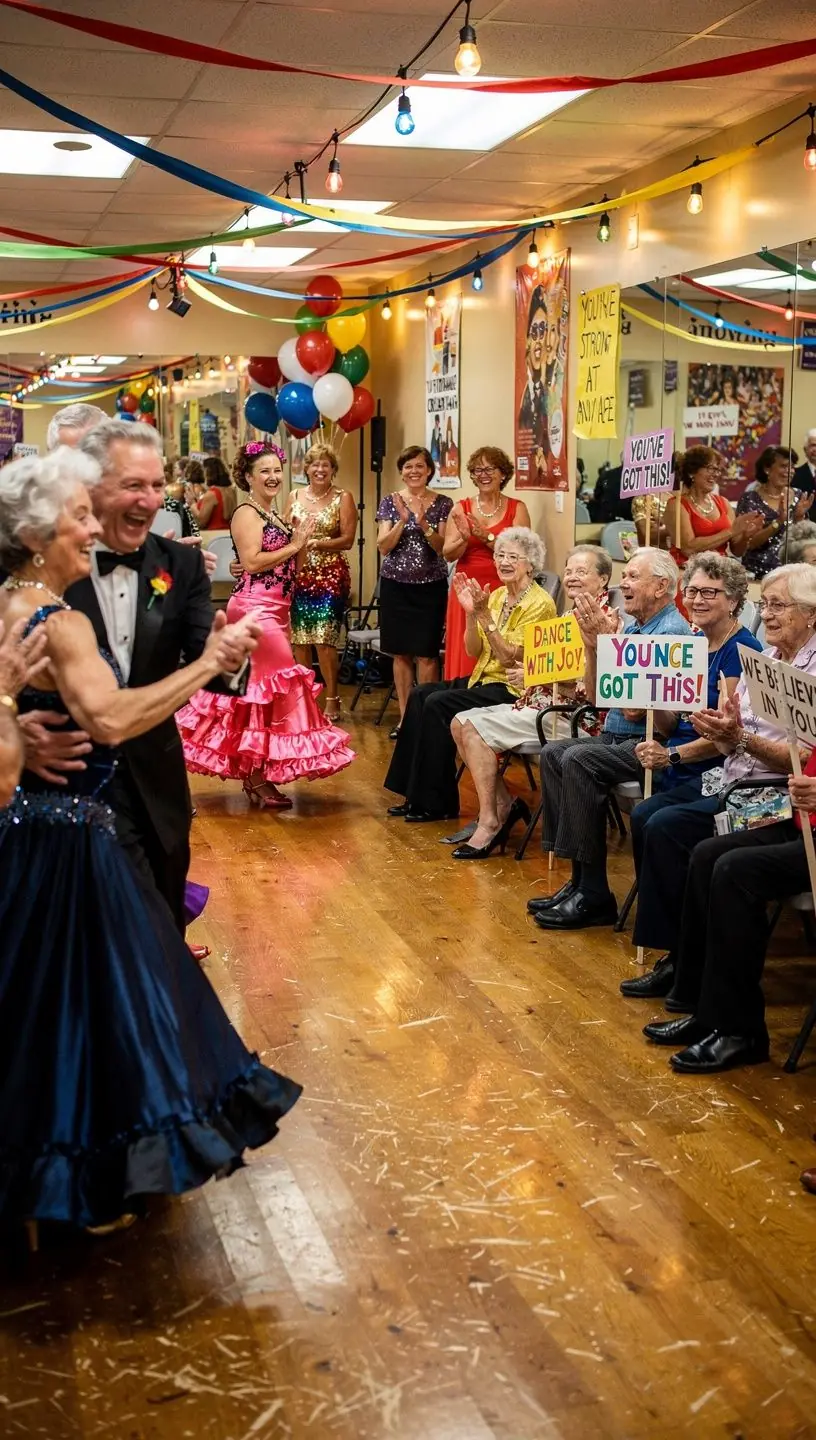
"Dancing is an excellent way to enhance physical fitness and social interaction, which are both vital for healthy aging." - National Institute on Aging
Benefits of Dance on Physical Health
Many users report that regular dance practice offers a multitude of benefits, including:
- Improved Cardiovascular Health: Studies show that dance can improve heart health by increasing aerobic capacity and overall endurance, which is essential for older adults.
- Enhanced Flexibility and Balance: Dance routines often involve a range of movements that can improve flexibility and balance, potentially reducing the risk of falls.
- Strengthening Muscles: Many dance forms require the use of various muscle groups, which can help in maintaining muscle strength and mass.
How Dance Affects Mental Health
In addition to physical benefits, dance is also shown to positively impact mental health. The combination of movement, music, and social interaction often leads to:
- Reduced Stress and Anxiety: Engaging in dance can lead to the release of endorphins, known as the body's natural stress-relievers, which can enhance mood over time.
- Improved Cognitive Function: Research indicates that learning dance steps and routines can stimulate brain function, helping to maintain cognitive health.
- Social Connections: Participating in group dance classes or gatherings provides vital social engagement, which is essential for emotional well-being.
Practical Application: Incorporating Dance into Your Routine
To start reaping the health benefits of dance, consider the following steps:
- Choose Your Dance Style: Explore different types of dance to find what you enjoy most, whether it’s salsa, ballroom, or line dancing. This enjoyment can lead to consistent practice.
- Set Realistic Goals: For effective health benefits, aim for at least two dance sessions a week, gradually increasing duration and intensity as you become more comfortable.
- Join a Class or Group: Many studios and community centers offer classes tailored for older adults. This not only provides structure but also fosters social connections.
Conclusion
In summary, regular dance practice can significantly impact physical health and overall well-being for older adults. While benefits can vary, many individuals find that incorporating dance into their lives leads to improved cardiovascular health, better flexibility, and enhanced mental well-being. Remember, results typically appear with consistent practice—usually within a few months—so be patient and enjoy the process of dancing!
Learn More