How Adaptation Programs Enhance Mobility in Older Adults
As we age, maintaining mobility can become increasingly challenging. Adaptation programs, specifically designed for older adults, can play a crucial role in enhancing mobility and promoting active aging. This article explores how these programs work, their benefits, and what you can expect from participation.
Understanding the Basics
Adaptation programs aim to improve physical capabilities through tailored exercise routines and activities. According to research published in the Journal of Geriatric Physical Therapy, such programs can significantly enhance balance, coordination, and strength in older adults. This is important because these elements are often compromised as individuals age, making falls and injuries more likely.

"Research indicates that regular, targeted physical activity can lead to improved mobility and a better quality of life for older adults."
How Adaptation Programs Work
These programs typically incorporate a variety of exercises aimed at enhancing flexibility, strength, and endurance. The methodology often involves:
- Individual Assessment: Each participant usually undergoes an assessment to understand their specific needs and limitations. This personalization ensures that the exercise regimen is suitable for their current physical condition.
- Progressive Training: Exercises are often structured progressively, meaning that as participants gain strength and confidence, the difficulty level increases. This gradual approach helps prevent injuries and promotes sustained engagement.
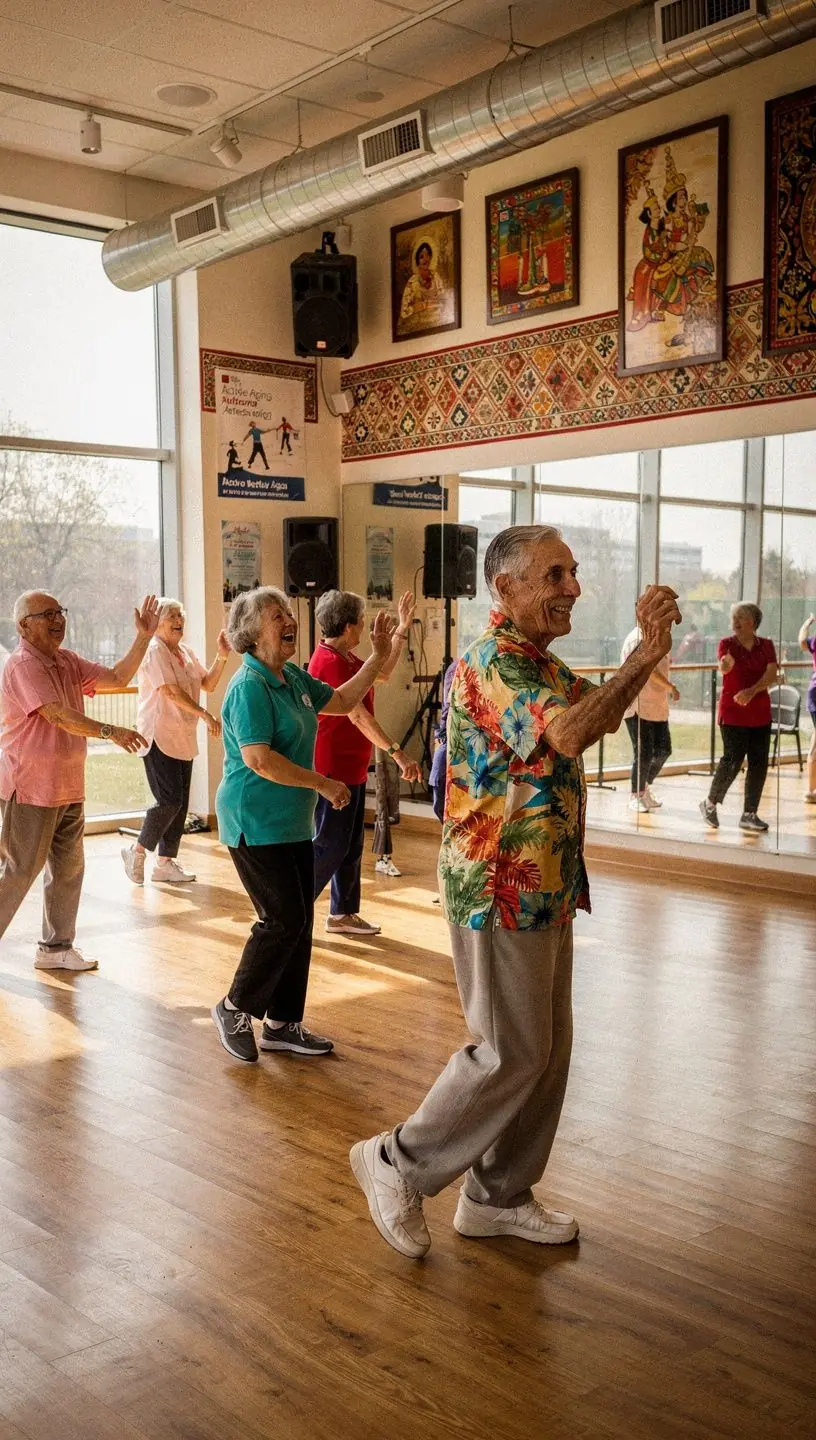
- Social Interaction: Many adaptation programs incorporate group activities, fostering a sense of community. Studies show that social interaction can enhance motivation and adherence to exercise regimes.
Benefits of Participation
Engaging in these adaptation programs can yield several benefits:
- Increased mobility and range of motion, which may result in greater independence in daily activities.
- Improved balance, significantly reducing the risk of falls.
- Enhanced mental well-being, with many participants reporting reduced feelings of isolation and depression.
Setting Realistic Expectations
While adaptation programs can be effective, they require commitment and time. Typically, noticeable improvements in mobility may take several weeks to months of consistent participation. It's essential to recognize that:
- Progress varies among individuals, with some participants experiencing faster results than others.
- Regular attendance and practice are crucial for maximizing the benefits, often requiring a commitment of 2-3 sessions per week.
- These programs may not be suitable for individuals with certain medical conditions, so consulting with a healthcare provider prior to starting is recommended.
Conclusion
Adaptation programs offer a reliable approach to enhancing mobility in older adults, promoting not just physical health but also mental well-being. By participating in these programs, individuals can potentially improve their quality of life and maintain their independence as they age. For those seeking community and connection, these programs also provide valuable social engagement opportunities.
Ultimately, the journey to improved mobility is a gradual process requiring dedication, but the benefits are well worth the effort.